

October 8, 2008 According to the American Foundation for the Blind, there are approximately 21.2 million Americans who suffer from some form of visual impairment, including blindness, with approximately 6.2 million of those over the age of 65. Many of these people use a long cane or a guide dog to assist them in navigating the streets of their neighborhood. A more sophisticated option may be available to them in the future if this entry in the Create the Future Design contest ever comes to fruition.
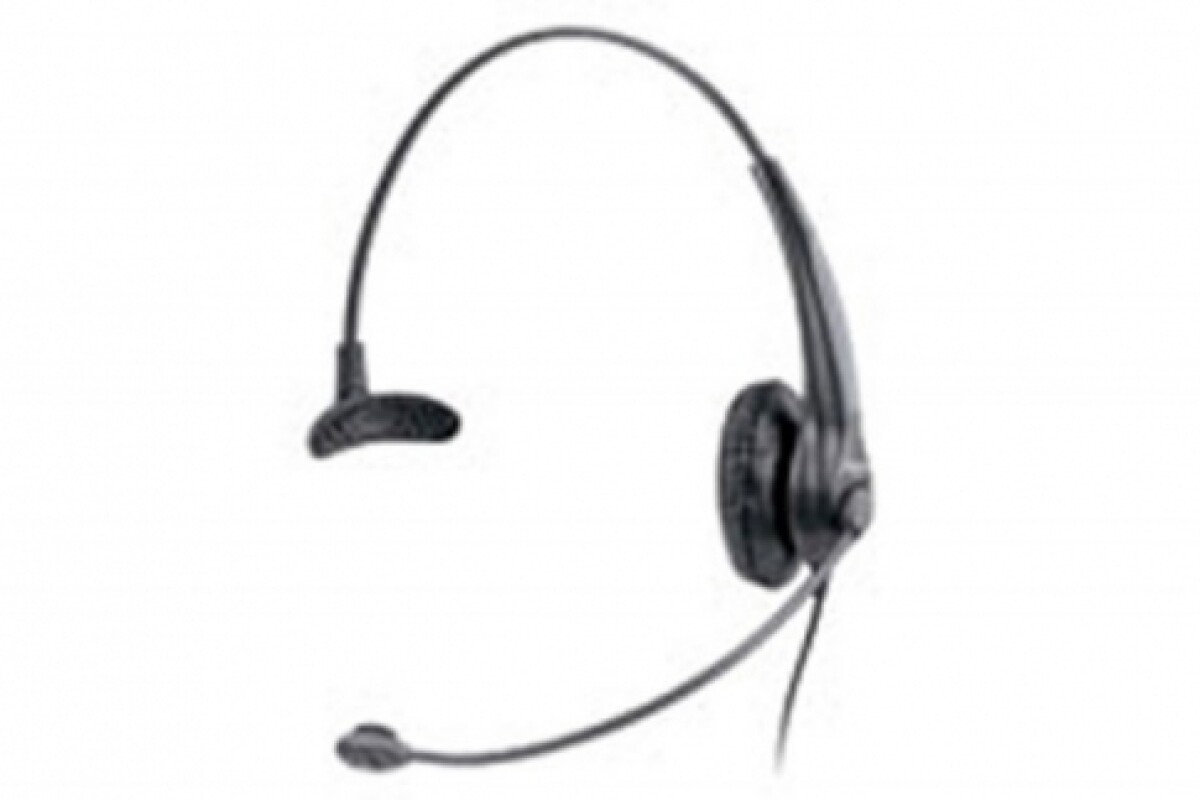
The Navigation aid for the Blind headset designed by Dayle Swensen uses existing technology in a very clever way. It consists of a headset which has an audio transducer and a built-in microphone and uses GPS, obstacle detection technology and speech recognition to safely guide the wearer to their destination.
The wearer simply states the destination address into the microphone and the technology does the rest, the GPS finds the destination and the obstacle detection technology warns the wearer of impending danger in front of them or to the side by using audible tones of increasing frequency.
The headpiece has a single earpiece which allows the wearer to hear other external noises and as the device is hands-free, wearers are not required to use their hands to enter information nor lug around a bulky GPS machine. As the headpiece looks like a regular microphone, the wearer also benefits from some "invisibility" that a guide dog or cane cannot provide.
Given that the technology is in use now, manufacturing costs could be kept to a minimum which would give more visually-impaired people the opportunity to experience independence and the freedom of safely walking the streets. The Create the Future Design Contest started in 2002 and since then it has attracted more than 5,000 design ideas from all over the world. The competition closes on October 17, 2008.