
Wound
-
 For the first time ever, a wild male orangutan in Sumatra has been spotted tending to a wound on his face in an ingenious way. The technique worked, adding even more cred to the intelligence of this striking and endangered species of great ape.
 -
 Mussels and silkworms may soon be indirectly responsible for saving people's lives. Scientists have used proteins from both animals to develop an internal wound dressing that stops bleeding and prevents infections.
 -
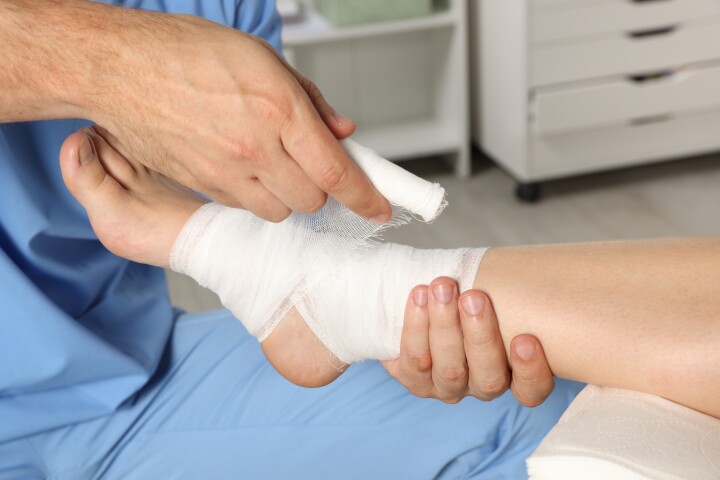 A new type of dressing is shaping up as a way to heal chronic wounds without the need for antibiotics. Using a helium plasma jet to activate hydrogel, researchers have created a highly effective antibacterial cover that can swiftly overpower wounds.
 -
 While infected wounds aren't a good thing, neither is the proliferation of antibiotic-resistant bacteria which may occur due to overuse of the drugs. That's where a new type of bandage comes in, as it kills microbes without resorting to antibiotics.
 -
 While sutures suffice for closing most wounds, they can damage delicate tissue, plus they may allow fluids to leak out when applied to internal organs. Scientists have thus set about improving another wound-closure method known as tissue soldering.
 -
 For the first time, scientists have established that our perception of the passing of time can, independently, influence how a wound heals. It opens the door to better understanding the mind-body's connection and its role in healing and recovery.
 -
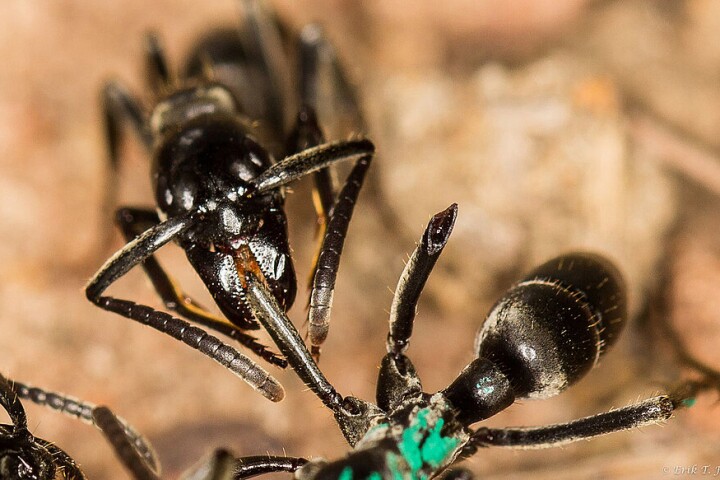 It has been known for some time now that chemicals produced by certain ants have antibiotic properties. For the first time, however, one species of ant has been observed actually using those chemicals to treat infected wounds on others of its kind.
 -
 Spread by sandfly bites, the leishmania parasite causes ulcers that for many people are unexpectedly pain-free. For decades scientists have been puzzled by these painless lesions but new research is now homing in on the unusual analgesic mechanisms.
 -
 Ordinarily, when treating chronic wounds, caregivers go to great lengths to keep them free of bacteria. An experimental new dressing, however, actually introduces bacteria to help such wounds heal.
 -
 The skin ulcers that diabetics often develop on their feet are slow to heal, sometimes to the point that they become infected and require foot amputation. A magnetic gel could keep that from happening, as it triples the healing speed of such wounds.
 -
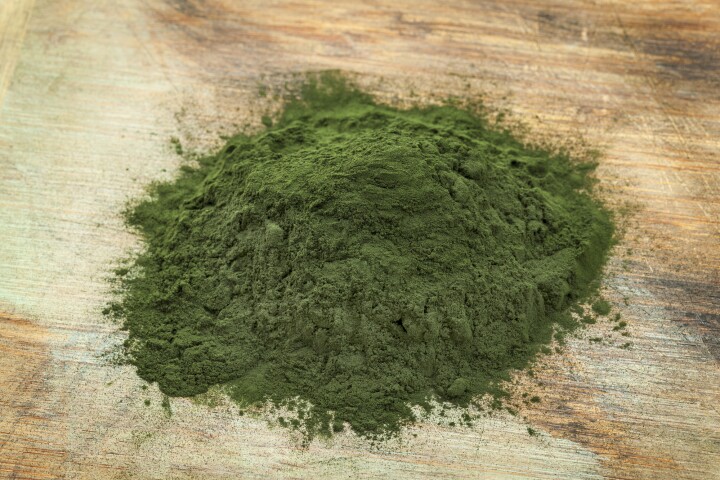 Researchers have used plasma technology to transform blue-green microalgae into a novel coating that can be applied to dressings and medical devices to protect patients from infection, speed up healing and reduce inflammation.
 -
 For the first time, scientists have combined six primary skin cell types with hydrogels to ‘print’ a thick, multilayered skin that, when transplanted, successfully integrated with surrounding tissue to heal wounds more rapidly and with less scarring.
Load More