
Weather
-
 This week’s global NVIDIA GTC, GPU Technology Conference, included a discussion about using accelerated computing to drive climate action. Three startup companies have taken advantage of NVIDIA's AI and Earth-2 platform to do just that.
 -
 Do you live in a lightning hotspot? A new set of maps shows just where all that discharged electricity makes contact with the ground across the United States each year. Tip: If you're worried about getting hit, you might want to skip Florida.
 -
 Climate change will trigger stronger storms more often, and the threat may not be properly communicated. Now, scientists at Berkeley Lab suggest there’s room for a Category 6 on the scale – with five storms in the past decade reaching that strength.
 -
 Independent analyses by NASA, NOAA, WMO, Copernicus and the UK Met Office have all confirmed that 2023 was officially the hottest year on record. A slew of other records were also broken amidst a string of severe weather events across the globe.
 -
 Hubble has helped astronomers measure changes in the weather on an exoplanet. Forecasts for the planet Tylos predict a gigantic hurricane today with a top of over 3,000 °F (1,650 °C), followed by a strong chance of showers of molten iron tonight.
 -
 Although drones are a good substitute for piloted aircraft in hazardous weather conditions, it's obviously still best for their users if the things don't crash. The Czech-designed ThunderFly TF-G1 autogyro drone was created with that fact in mind.
 -
 Gigantic waves can seemingly come out of nowhere, threatening ships and oil rigs. Now, an AI system trained on centuries of data has been able to predict when these rogue waves will occur, revealing new insights into how they form.
 -
 Google has put AI to work as a weatherman, and shown that in just one minute on a single machine, it can make accurate predictions up to 10 days in advance, a task that normally takes a room full of supercomputers hours to achieve.
 -
 Next month, NASA will place a new piece of equipment on the International Space Station. It will examine a phenomenon known as Earth's airglow for signs of weather-produced waves that can reach the mesopause and disrupt satellite communications.
 -
 With a continuing hot streak felt across the Earth, 2023 is now on track to be the warmest year on record. And September was no exception; in fact, it broke existing records by a large margin, according to the World Meteorological Organization.
 -
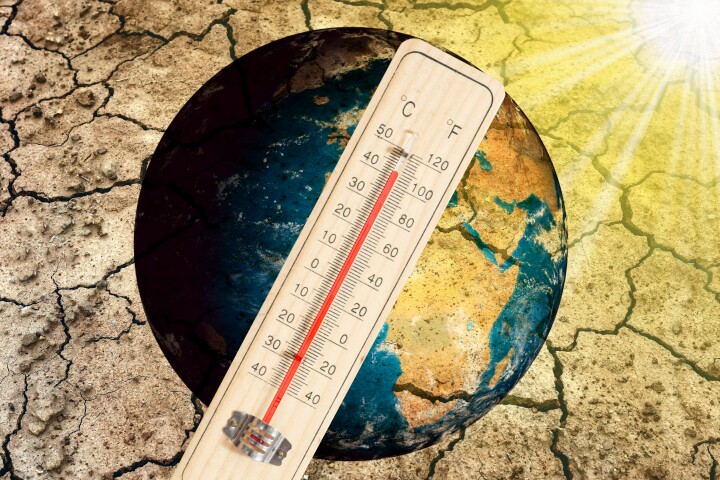 Coming as no surprise to the millions who sweltered through a Northern Hemisphere summer, the season that has just passed was Earth’s hottest since records began in 1880. The steamy baton is expected to now be passed on to the Southern Hemisphere.
 -
 NASA and NOAA have confirmed that July 2023 was the hottest month in recorded history, which goes back about a century and a half. The finding follows a worrying trend that has a decent chance of setting 2023 as the hottest year on record.
Load More