
Volvo
-
 New cars bought in the last few years have twice as many quality problems as they had in 2010. Some well-known brands are averaging more than five issues per car – and the stats show things will probably get a lot worse before they get better.
 -
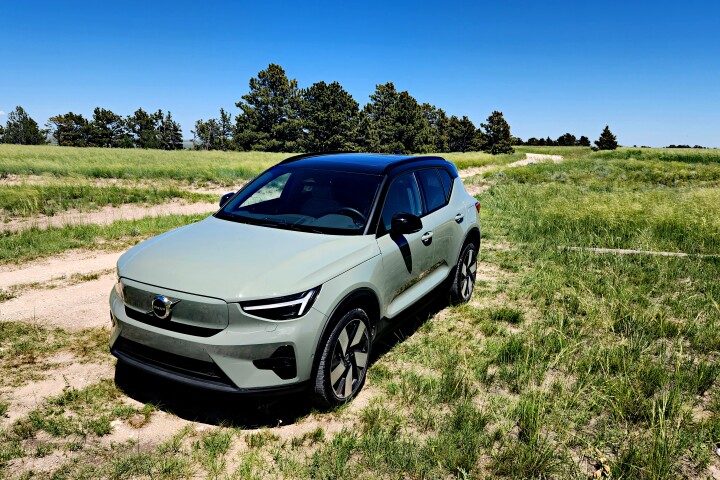 The XC40 Recharge is an all-electric subcompact crossover based on the ICE version of the XC40 compact utility. At launch in 2019, the XC40 was Volvo’s first battery electric model. We see what the latest model offers, driving the 2023 XC40 Recharge.
 -
 Volvo has launched the EX30 small electric SUV, and it believes its smallest SUV will be one of its most impactful products of all time. The crossover will offer up to 275 miles of range, a 3.4-second 0-60 mph, and Volvo's lowest CO2 footprint ever.
 -
 Mack Trucks, which is part of the Volvo Group, has announced its second EV option, following the launch of the LR model in 2016 and subsequent availability in 2021. The medium-duty truck is an electric version of the company's MD diesel vehicle.
 -
 The second-gen Volvo V60 Cross Country arrived in 2020 and is one of the few station wagons still available in North America. It combines crossover-like utility and off-pavement capability with solid all-weather performance and car-like drive dynamics.
 -
 As part of a partnership agreement inked in 2021, construction materials company Cemex has taken delivery of the first all-electric heavy duty concrete mixer truck from Volvo Trucks, which is due to begin operation in Berlin this month.
 -
 Volvo has cemented an unparalleled reputation for safety, and it's look\ing to further boost that reputation with the all-new EX90. The electric SUV debuts as the company's most advanced car yet, a "computer on wheels" and intelligent third space.
 -
 Polestar took a little while to fully sharpen its design chops, but the Polestar 3 proves it's found its rhythm. The SUV borrows styling cues from the Precept concept and folds them into a sporty 510-hp electric utility platform with 379-mile range.
 -
 Having introduced a series of battery-electric trucks over the past few years, Volvo is now expanding on its vision of a cleaner trucking future with a foray into hydrogen fuel cell powertrains for heavy haulers.
 -
 Polestar is preparing to expand its horizons from three-box cars to SUVs. The Polestar 3 will give the electric performance brand a presence in the SUV segment and promises to be a road trip- and adventure-worthy electric performance utility.
 -
 Henning Larsen Architects continues its enthusiastic use of sustainable timber construction with a new experience center designed for automaker Volvo. World of Volvo takes the form of three tree trunks embedded into a heavily landscaped plot.
 -
 Just over two years ago, Volvo Trucks introduced the VNR Electric regional transport truck to the US market, and now the company has announced an enhanced version – with more per-charge range and faster charging.
Load More