
Virus
-
 Carbon dioxide is key to how long airborne viruses hang around in the air and, therefore, their likelihood of spreading. Opening a window may be a more scientific way to avoid the spread of respiratory viruses than first anticipated.
 -
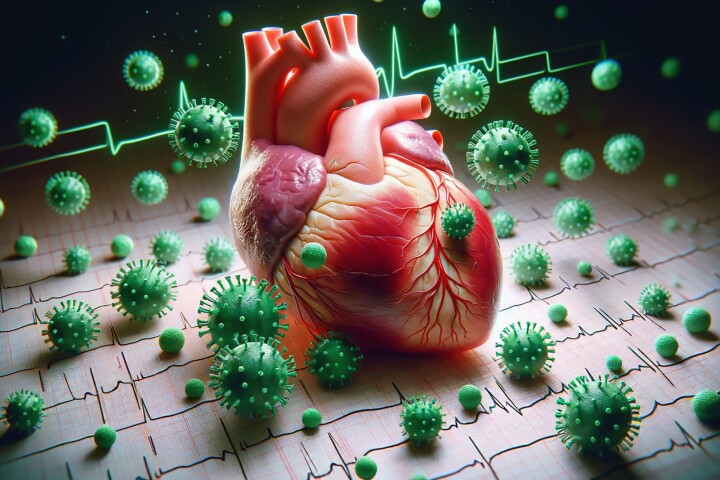 Inflammation from a viral infection has traditionally been thought to cause acute myocarditis, which can lead to fatal heart arrhythmias in healthy young adults. Now, it seems it's something else that damages heart cells before inflammation kicks in.
 -
 Ever since SARS-CoV-2 emerged, the virus has been known for its novel effects on the brain. But exactly how is it causing these symptoms? A new study suggests that the answer lies in the way our vagus nerve talks to the brain.
 -
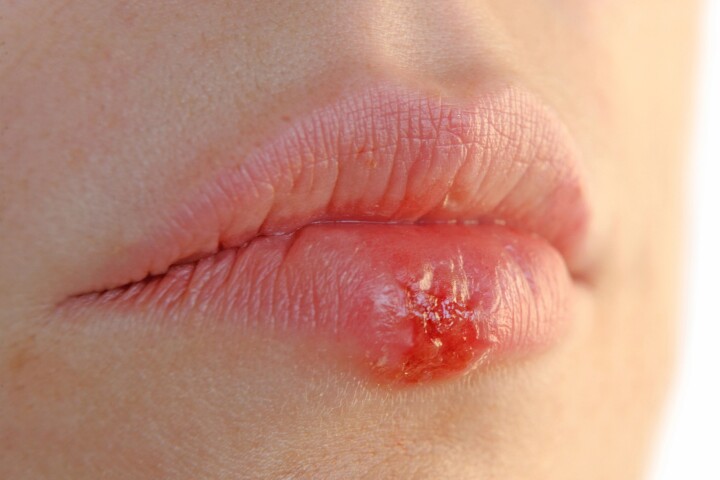 Infection with the virus that’s the main cause of cold sores may double a person’s risk of developing dementia. Adding to growing evidence of a link between the herpes virus and dementia, the findings in a new study may lead to new vaccines.
 -
 Our bodies are home to trillions of microbes, including bacteria, viruses, fungi, and a whole host of others. Now, Stanford scientists have discovered an entirely new class of biological entities inside us, which they’ve ominously named “Obelisks.”
 -
 Researchers developed a nanospiked surface that was 96% effective in destroying a common virus responsible for causing respiratory illnesses in children. The technology could safeguard researchers, health workers and patients from viral spread.
 -
 As recent history proves, airborne respiratory infections are not to be trifled with. Now, a new sprayable coating applied to standard air filters might give us a leg up in the war against the pathogens that cause these diseases.
 -
 Bacteria often go dormant to avoid being wiped out by antibiotics, which makes treatment difficult. Now scientists have discovered a virus that can attack these sleeping bugs, clearing out infections effectively when paired with drugs.
 -
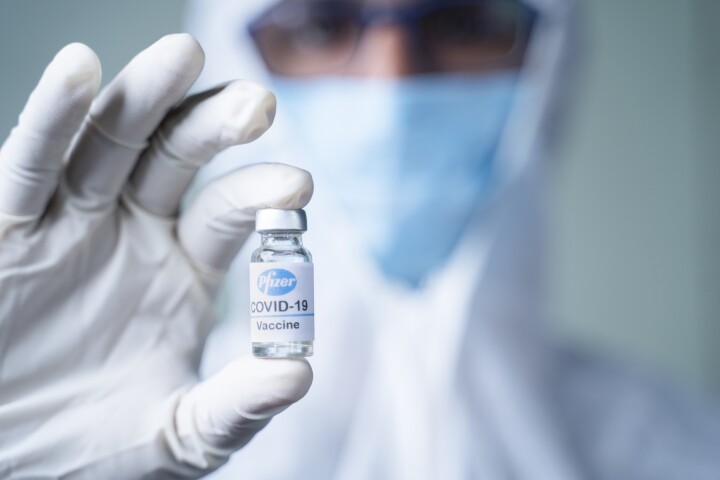 The first study of its kind has looked at every UK resident – more than 67 million people – across four months, and found that, as vaccine uptake tapered off in 2022, 7,180 hospitalizations and deaths could have been avoided had jabs been up to date.
 -
 New research has proved for the first time that RSV infection, common in young children, can penetrate nerve cells and may lead to nerve damage. The findings underscore the possible long-term effects of RSV and the importance of preventive measures.
 -
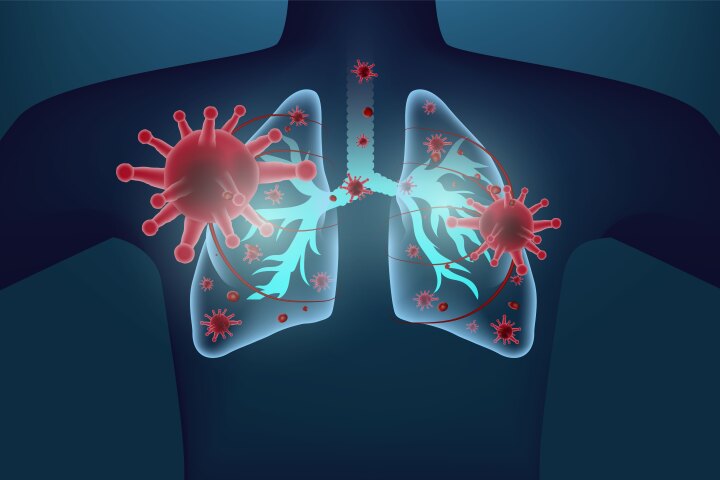 A new study has found the BA.2.86 variant of SARS-CoV-2 has a greater propensity for infecting certain lung cells than any prior Omicron variant. The research suggests BA.2.86 could potentially lead to COVID severity similar to the Delta variant.
 -
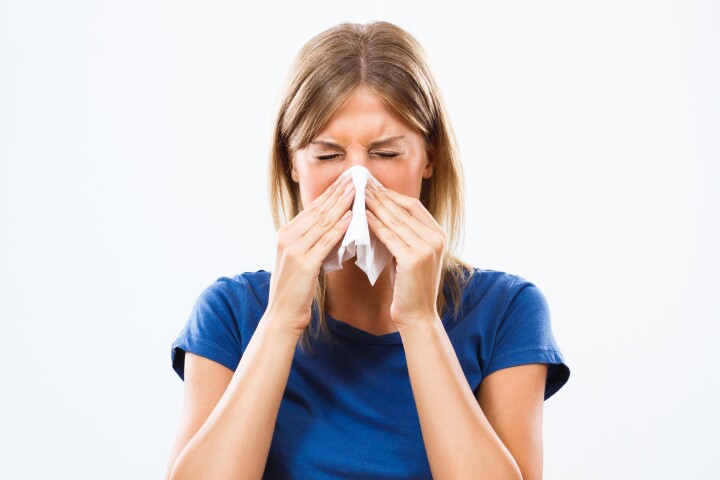 A new study has found that an extract made from willow bark, the precursor to aspirin, possesses effective broad-spectrum antiviral properties. The discovery may mean we will soon have a new way of fighting viral infections like colds and flu.
Load More