
US Army
-
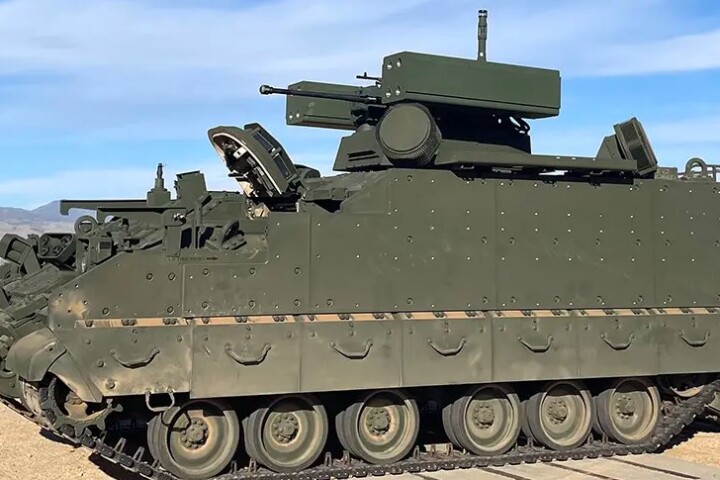 In a recent live-fire field test, BAE Systems' Armored Multi-Purpose Vehicle (AMPV) Counter-Unmanned Aircraft System (C-UAS) prototype took out a small fleet of quadcopter drones in spectacular fashion using a Moog modular weapons system.
 -
 The US Army is swapping out its Cold War fleet of prop-driven recon planes with ones based on a business jet. Under a new contract, the Army is buying a Global 6500 jet aircraft from Bombardier with options for two more for development prototypes.
 -
 In what seems like a paradox, Lockheed Martin has successfully conducted a short-range qualification flight test of its long-range Precision Strike Missile (PrSM) for the US Army at the White Sands Missile Range, New Mexico.
 -
 A Northrop Grumman command and control system has successfully defended Washington DC and the National Capital Region in a simulated attack. The Integrated Battle Command System (IBCS) virtually proved itself against cruise missiles and hijacked aircraft.
 -
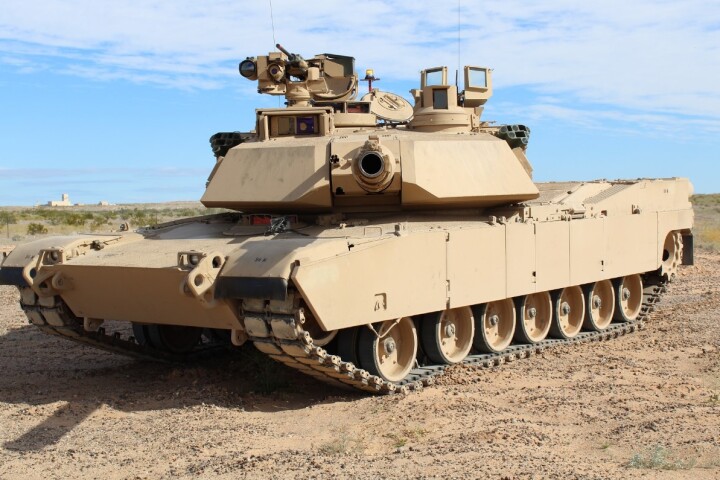 Based on lessons learned in Ukraine, the US Army has announced that it's abandoning its current modernization program for its M1A2 Abrams main battle tank in favor of a more fundamentally upgraded version called the M1E3.
 -
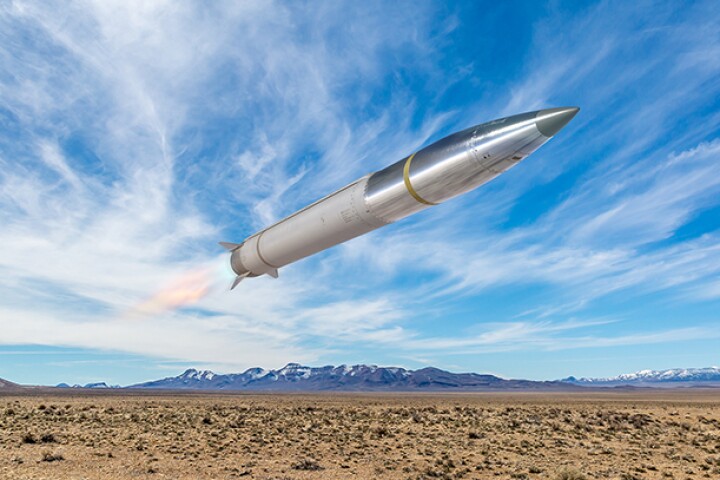 Lockheed Martin has successfully tested the latest in its family of missiles. Its next generation Extended-Range Guided Multiple Launch Rocket System (ER GMLRS) reached a record 150 km (93 miles) at the White Sands Missile Range in New Mexico.
 -
 Northrop Grumman's Integrated Battle Command System (IBCS), which combines multiple current air and missile defense command and control systems into one, has been granted initial operational capability. This means it can begin active deployment.
 -
 BAE Systems and the US Army have successfully test fired a Sub-Caliber Artillery Long-Range Projectile with Enhanced Lethality from a 155 mm XM907E2 cannon at the White Sands Missile Range with double the range of current precision guided munitions.
 -
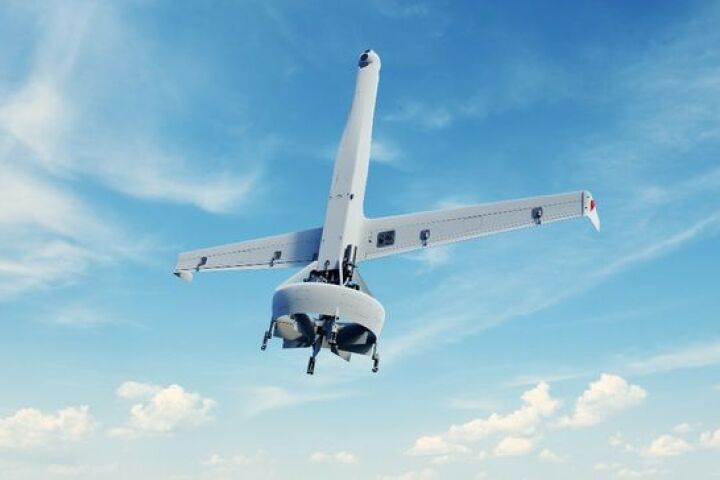 The US Army has chosen the enhanced vertical liftoff V-BAT UAS developed by Northrop Grumman and Shield AI to take part in the Future Tactical Unmanned Aircraft System competition to find a replacement for the venerable RQ-7B Shadow tactical drone.
 -
 At the Yuma Proving Ground in Arizona, the US Army is testing a new reusable parachute cargo-drop system that is 25% faster to rig and 40% faster to remove after landing, to allow soldiers to quickly leave the drop zone and get out of danger.
 -
 The United States, Britain, and Germany have agreed to supply Ukraine with main battle Tanks to aid its resistance to Russia's invasion. What are these tanks, will they turn the tide of the war, and in which direction? New Atlas takes a look.
 -
 The US Army has awarded Eprius a contract worth US$66.1 million to deliver prototypes of a new microwave weapon called Leonidas that is capable of bringing down entire swarms of enemy drones in a single burst, while leaving friendly aircraft intact.
Load More