
Ultraviolet
-
 Scientists have devised a method of using fish scales to convey encrypted messages. Not only would the technology divert seafood industry waste from landfills, it should also be less costly than existing options such as special inks.
 -
 NASA has officially selected a new mission – the Ultraviolet Explorer, or UVEX. By scanning the skies in UV light, it will be able to study the hottest objects and fleeting events like supernovae, and create a detailed new map of the cosmos.
 -
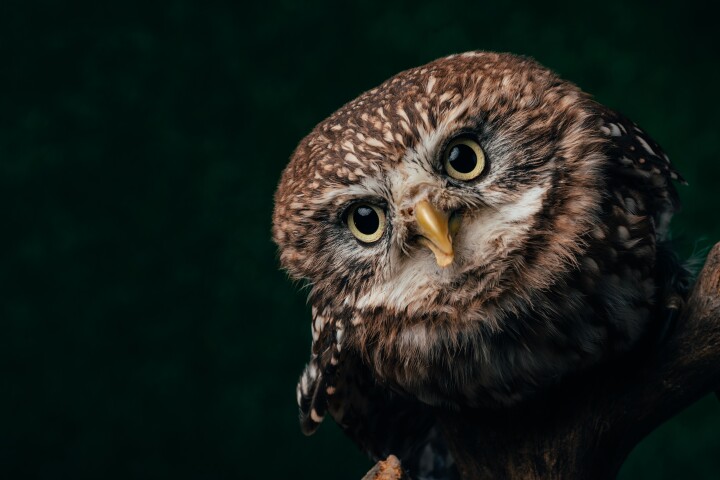 It’s easy to forget that most animals don’t see the world the way humans do. In fact, many perceive colors that are invisible to us. But now, for the first time, scientists have found a way to capture footage as seen by animals, and it's mesmerizing.
 -
 Disposable diapers are a huge source of global waste, largely because they're difficult to recycle. A new process, however, could salvage the "superabsorber" polymer utilized in the liners of those diapers – and yes, even if they're soiled.
 -
 In order to smuggle illegal drugs into prisons, people are now soaking materials like paper and fabric in such drugs, letting the materials dry, then passing them along to inmates. A new portable device, however, sees through that ruse.
 -
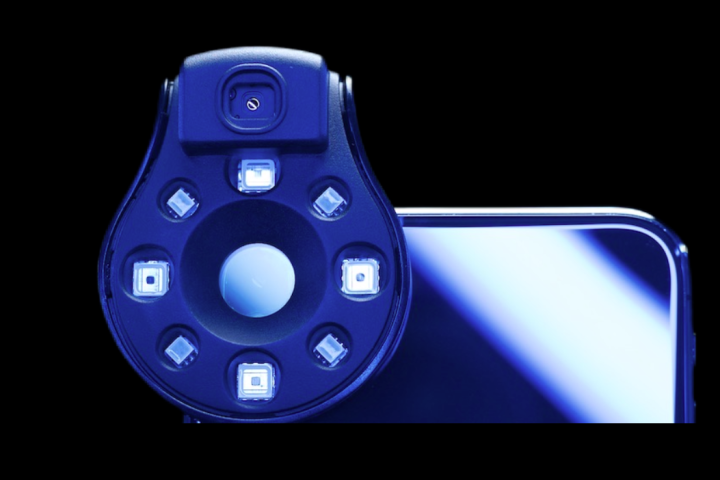 When Captain Kirk stepped out with a tricorder in hand in Star Trek in 1966, the data sensing, scanning and analyzing gadget seemed a rather useful but far-in-the-future piece of technology. With the Swift Ray 1, we're a step closer to its reality.
 -
 Indian scientists have developed a groundbreaking method to extract keratin and melanin from discarded hair, opening up possibilities for their use in wound dressings and sunscreens.
 -
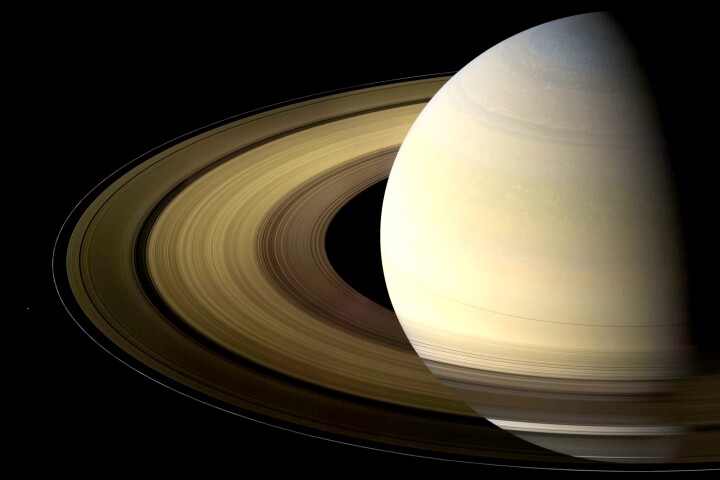 Saturn is renowned for its rings, easily visible through an ordinary telescope. Now, using observations collected over 40 years, scientists have discovered a never-before-seen interaction between the planet and its iconic rings.
 -
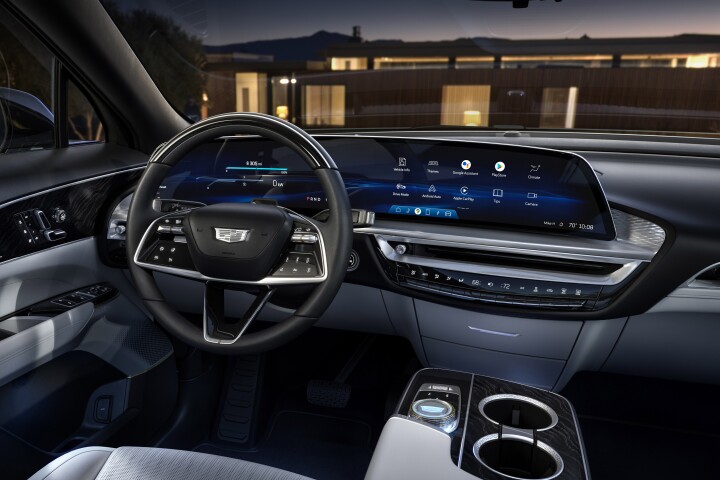 General Motors has received a patent for a fascinating self-cleaning technology that could eliminate the annoyance of smudgy fingerprints all over touchscreens. It's a photocatalytic system, triggered by ultraviolet LEDs built into the RGB matrix.
 -
 It's always a shame when you buy fresh produce, only to have it spoil in the fridge before you can use it. The Aurora system is designed to keep that from happening, using a combination of ultraviolet light and vacuum packing.
 -
 PFAS are insidious pollutants thanks to their ubiquity, long life and a growing list of linked health concerns. But now researchers at UC Riverside have developed a new method to break them down more effectively, using hydrogen and UV light.
 -
 Scientists in Japan have demonstrated a technique that allows them to remotely control the movements of worms. By implanting light-sensitive proteins into the organisms, the team was able to make them move under green light and stop under UV.
Load More