
Tumor
-
 Taking frequently prescribed contraceptive hormones for a year or more has been linked to a heightened risk of developing a serious brain tumor. One of those hormones, medroxyprogesterone acetate, is currently taken by some 74 million women worldwide.
 -
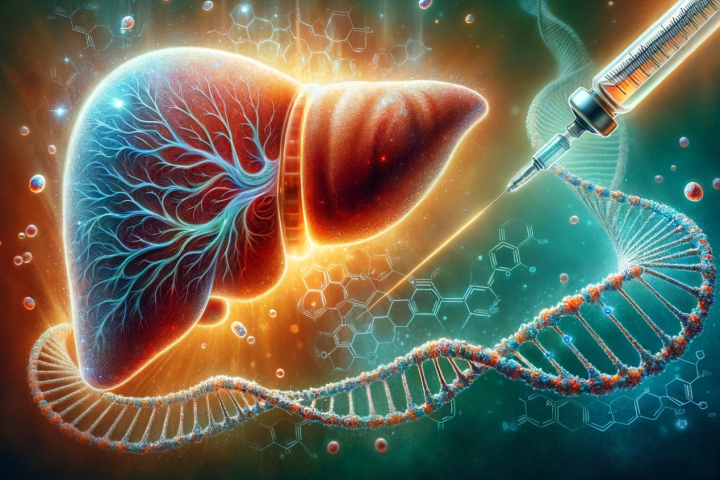 The 102-year-old tuberculosis vaccine shrank liver cancer tumors in mice, which suggests it may be replicated in a human trial. If this was the case, the vaccine might prove successful in tackling this notoriously hard-to-treat cancer.
 -
 A study has found that, in mouse models of prostate cancer, a compound extracted from sandalwood oil was effective in slowing the onset and growth of tumors. Further research will explore whether it can be used to treat prostate cancer in humans.
 -
 In the hunt for cancer cures, researchers work with structures known as tumor spheroids. A new method of producing these structures has emerged using simple parts, which could lead to the cheap, reliable generation of these valuable research tools.
 -
 No matter how important something is, too much of anything is bad for you. Scientists have now put that principle to work to kill cancer, with a new drug that causes calcium to build up and choke the tumor to death.
 -
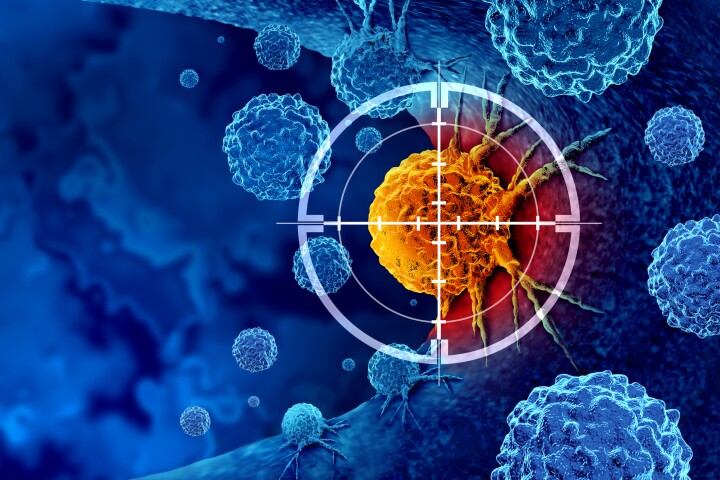 Researchers have harnessed the cancer-destroying abilities of the body’s natural killer cells. Nanodrones selectively target a tumor, enabling the killer cells suppress cancer growth, opening the door to novel, cancer-specific immunotherapies.
 -
 Researchers have developed a liquid gel that solidifies when injected into a solid tumor, is visible on a CT scan, and can slow-release cancer-fighting treatments. Combining the gel with immunotherapy improved survival in treatment-resistant cancers.
 -
 When fighting cancer, chemotherapy is still a bit of a blunt instrument. By combining it with soundwaves, however, researchers have found a way to turn it into more of a scalpel than a club, sparing damage to nearby tissue and the body as a whole.
 -
 Certain gut bacteria have been linked to colon cancer, but now they might get a chance at redemption. Scientists have engineered “pickpocket” bacteria to detect colorectal cancer, with a 100% success rate in mouse tests.
 -
 Surgery to remove brain tumors comes with risks, one being that it may cause damage to the surrounding tissues. Researchers have found that biomarkers found in the blood are a useful new tool for tracking brain tissue damage on a cellular level.
 -
 Diagnosing cancer requires a pathologist's expertise to analyze a biopsy sample. But a team of scientists has now developed a quick and simple method of analyzing biopsy samples for cancer that might make pathologists a thing of the past.
 -
 By removing certain amino acids from the diets fed to rodents suffering from glioblastoma, researchers found that brain cancer cells began dying. What's more, mice put on the restrictive diets were also more receptive to chemotherapy treatment.
Load More