
Tufts University
-
 A new drug for severe influenza successfully keeps patients at the perfect level of lung inflammation to protect against lung damage while still allowing the immune system to fight off the infection. It's effective in mice even days after infection.
 -
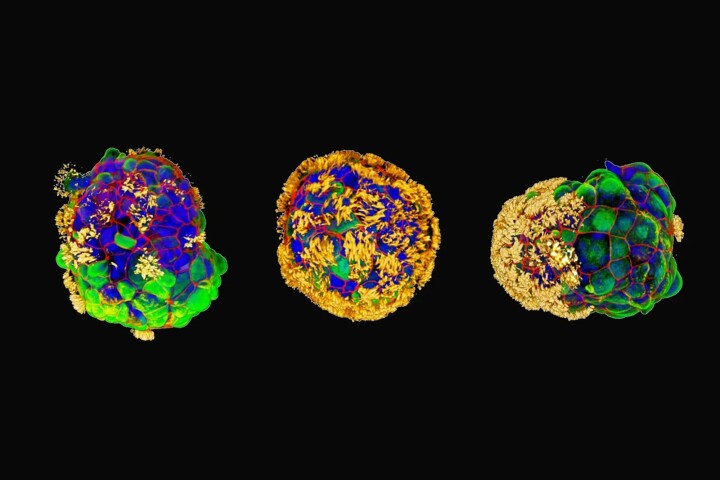 Researchers have used human cells to create tiny biobots that can encourage healing in damaged neurons without requiring genetic modifications. The tiny bots have the potential to transform regenerative medicine and the treatment of disease.
 -
 A new report suggests that implementing medically tailored meals and produce prescriptions nationally in the US would not only improve health and be highly cost-effective but would also save healthcare costs by addressing diet-related chronic illness.
 -
 We know a diet rich in fruit and vegetables has broad health benefits. Now, a new study says that prescribing free fruit and veg to adults with type 2 diabetes could prevent 296,000 cardiovascular disease cases and save billions in health-care spending.
 -
 When it comes to PTSD, much of the clinical research focuses on improving the condition rather than predicting it. However, a new study has uncovered a brain marker that seems to show who is more likely to develop PTSD when exposed to trauma.
 -
 Smoking is no good for your teeth, that is well-known. But what about vaping? New research from Tufts University suggests using e-cigarettes may not be that much better, finding an association between increased risk for cavities and vaping.
 -
 Researchers have created a new mRNA vaccine for cancer that’s designed to carry its cargo to the lymph nodes rather than the liver. Tests in mice showed significant inhibition of the tumors, with complete remission in a decent percentage of cases.
 -
 A common type of oral bacteria associated with periodontal disease has been linked to neuroinflammation and the progression of Alzheimer’s disease. The research builds on a prior evidence linking poor oral health with dementia and neurodegeneration.
 -
 When treating patients for certain conditions, it's important to monitor their blood oxygen levels. A new sub-dermal photosensitive sensor provides a new means of doing so, plus it could one day be used to measure other blood-borne substances.
 -
 By studying the eating habits of the bacterium that causes Lyme disease, a team of scientists has pinpointed a new mechanism that could be used for early diagnosis of the condition, and potentially prevent its worst effects.
 -
 Animals like axolotls can regrow fully functional replacements for lost limbs. In a breakthrough new study, scientists have demonstrated how one dose of a drug cocktail can regrow lost limbs in frogs that don’t normally have regenerative abilities.
 -
 As useful a material as leather is, it isn’t too environmentally friendly. Now, engineers at Tufts University have created a new leather-like material out of silk, which can be 3D printed into shape and easily recycled into new products as needed.
Load More