
Treatment
-
 Aspirin, taken by around 29 million Americans daily, has increasingly been linked to inhibiting the growth of certain cancers – but we didn't quite know how. Now, scientists have uncovered how it helps the immune system see and kill cancer cells.
 -
 An oral vaccine that prevents urinary tract infections (UTIs) recurring has shown to provide protection for nearly a decade in a majority of patients, according to a new study. This easy treatment offers a safe, effective method of UTI prevention.
 -
 People suffering from major depressive disorder (MDD) are also more likely to have higher body temperatures, finds the largest study of its kind – and surprisingly, one suggested treatment is to heat the body up even more, with saunas and hot yoga.
 -
 Researchers created model tumors using the tissues of patients with bowel cancer and used them to predict how the disease will respond to specific drugs with 83% accuracy. The pioneering approach could ensure patients get the most effective treatment.
 -
 A study found human placenta cells reduced high blood pressure and the arterial inflammation and cognitive impairment caused by it in mice. The findings open the door to a new form of therapy that may prevent damage resulting from the condition.
 -
 Researchers have developed a chip that analyzes a patient’s blood for cancer cells, enabling physicians to determine whether lung cancer treatment is working by as early as the fourth week and allowing them to alter treatment as needed.
 -
 When it comes to the treatment of Parkinson's disease, electrical deep brain stimulation (DBS) is a commonly used technique. It does have some drawbacks, however, which is why scientists are now looking to tiny wirelessly activated magnets instead.
 -
 A study has found that a six-week acupuncture treatment significantly improved language function, quality of life, and neurological impairment in people with speech difficulties following a stroke, with improvements maintained for six months.
 -
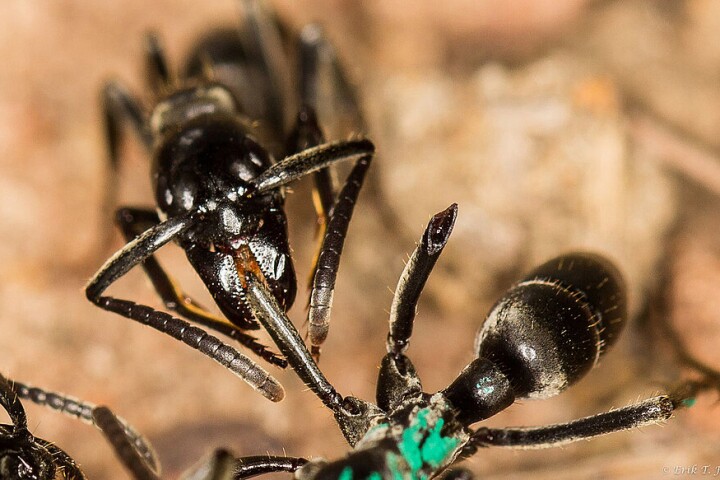 It has been known for some time now that chemicals produced by certain ants have antibiotic properties. For the first time, however, one species of ant has been observed actually using those chemicals to treat infected wounds on others of its kind.
 -
 As the second leading cause of death globally, treating – or even better, curing – cancer is understandably high on the list of researchers’ priorities. Here are New Atlas’ top cancer stories for the year 2023.
 -
 While some blood clots can be removed via a tool that's inserted into the affected vein or artery, others are harder to reach. Those other clots could one day be treated using "millirobots" that auger their way through the patient's blood vessels.
 -
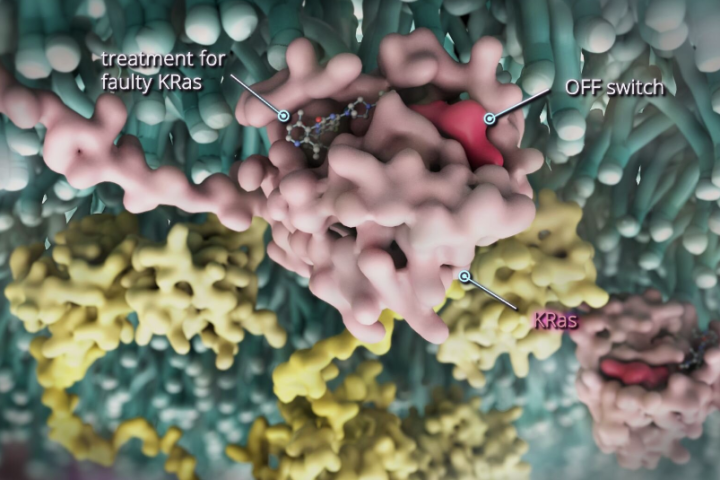 In what has already been tagged as a “game-changer” for cancer treatment, the potent once-a-day tablet known as divarasib has continued to impress at Phase 1b trial stage, outperforming not just current therapies but its previous trial results.
Load More