
Swimming
-
 If you're looking for a hands-free wearable electric boost while snorkeling or scuba diving, the Jetdive Pro should definitely fit the bill. It's not the first product of its kind, but it is claimed to be the best in several key ways.
 -
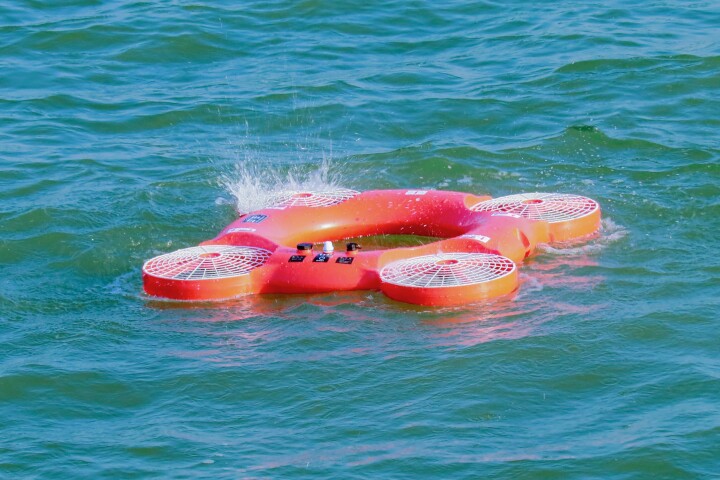 Could you throw a lifebuoy all the way out to a distressed swimmer located one kilometer away? Nope, you couldn't … but you could fly one out to them, in the form of the TY-3R Flying Lifebuoy drone.
 -
 We’ve tested 50 different waterproof headsets over the years, and a clear favorite emerged when Zygo launched its headphones. This week a 2nd-gen Zygo was announced, with enhanced audio, longer range, longer battery life, and on-the-go charging.
 -
 A new underwater robot can swim through the water with fins, and walk or crawl along the bottom when necessary. These capabilities could really give it a leg up – pun fully intended – at outperforming its traditional thruster-powered counterparts.
 -
 Treyam is a spectacular new project that will bridge a lagoon with a massive 450-m-long infinity pool and hotel. It joins a slew of futuristic designs set to transform the Saudi Arabian desert into a tourist destination as part of the Neom development.
 -
 Some 13 years after we first saw it, + Pool's idea for creating a floating and self-filtering swimming pool that lets New York City residents cool off in a local river is now finally set to go ahead, with testing expected later this year.
 -
 Just like dry-land athletes, swimmers can benefit from monitoring their performance and vital signs while training. The iSwimWeaR device is designed to let them do so – plus it may even help keep them from drowning.
 -
 Just because you're a strong open-water swimmer doesn't mean you'll never get into situations where there's a real risk of drowning. That's where the SwimVest comes in, as it's a wearable airbag system designed specifically for serious swimmers.
 -
 When baby sea turtles hatch from their buried eggs, they use their powerful flippers to make their way up through the sand. A new "sand-swimming" robot, inspired by those hatchlings, could one day save lives or even explore other planets.
 -
 While most of us may just think of krill as whale food, the tiny crustaceans are also very adept swimmers … enough so that scientists have developed a krill-inspired robotic platform in hopes of creating swarms of ocean-exploring swimming robots.
 -
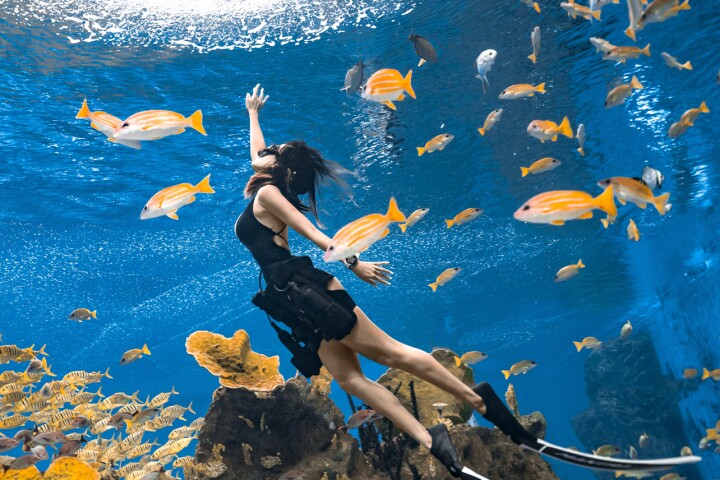 Underwater scooters are nothing new, although most of them are devices which users must hold in front of themselves. The Seakool D2 is different in that it's worn around the waist, keeping the user's hands free and their view unobstructed.
 -
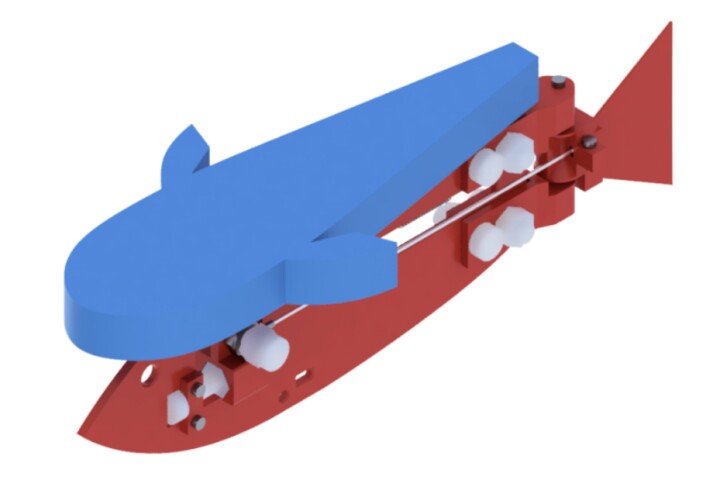 When designing fish-like underwater robots, you want a means of propulsion which is both energy-efficient and reasonably speedy. A new tail-flapping system may fit the bill, paving the way for wider usage of such bots.
Load More