
Sustainable
-
 It's super-sustainable, easily made and nutrient-dense. And it puts all other food production to shame. Now, the first air-protein factory is open. It's the food of the future, and soon a $100 million industry – but will you be putting it on your plate?
 -
 A simple, cheap pretreatment promises to radically cut the price of sustainable aviation fuel (SAF) made from waste wood biomass – potentially making it cost-competitive with fossil-based jet fuel, while cutting down emissions by up to 80%.
 -
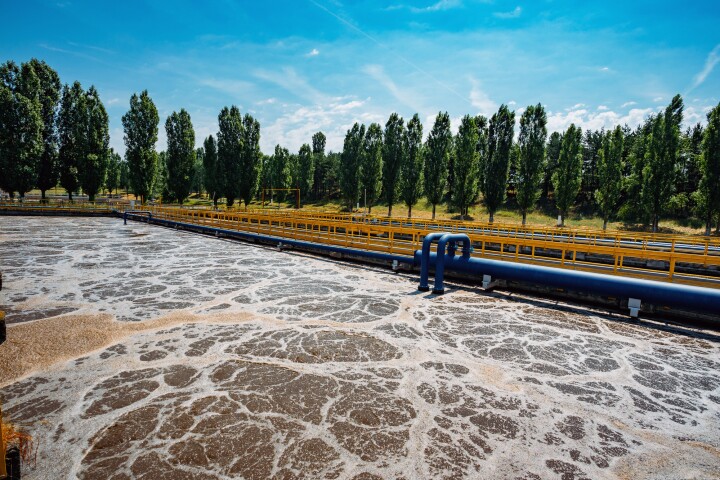 Researchers have developed a simplified, sustainable method of converting sewage sludge from wastewater treatment into high-value activated carbon that can be used in a wide range of industrial and residential applications.
 -
 Herbicides were once touted as ‘miracle’ chemicals, but their days may be numbered as researchers work on targeted SynComs, microbial sharp-shooters that can take out weed infestations, enrich soil and, importantly, are safe for us and the environment.
 -
 Scientists believe lightweight, ultra-strong and flexible spider silk is now one step closer to commercial use thanks to a deceptively complex 'box' that can spin nature's wonder fiber in a "spontaneous, extremely rapid, and highly reproducible" way.
 -
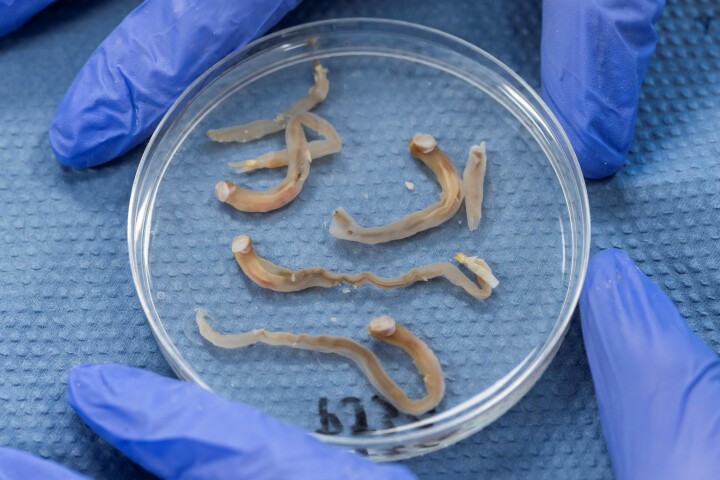 For centuries, shipworms have vexed mariners by boring into – and consuming – the hulls of wooden ships and boats. Soon, though, we may actually be eating those "worms," as they have successfully been farmed for the first time.
 -
 Researchers have developed a plant-based hydrogel to create shape-changing, navigable small-scale robots with potential applications in biomedicine, including conducting medical procedures and delivering therapeutic cargo to cells and tissues.
 -
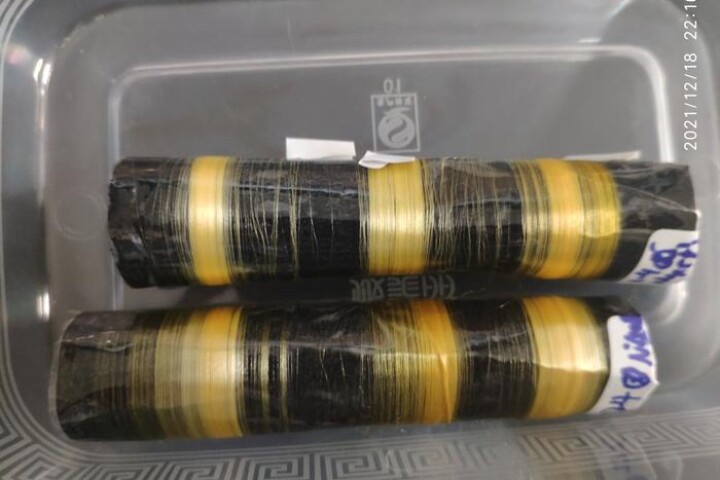 For the first time, scientists have successfully produced full-length spider silk fibers using genetically modified silkworms. This silk has the potential to provide a scalable, sustainable and better-quality alternative to current synthetic fibers.
 -
 Keeping panels clear of dust in large solar farms can be a time-consuming, wasteful and costly business. A startup called the Reiwa Engine has developed an autonomous robot called SandStorm to reduce maintenance and cleaning costs by as much as 80%.
 -
 The Draft Top is designed to take your beer can (and other drinks) to a new level. It cleanly and smoothly removes the lid from an aluminum vessel, allowing for better taste, less bloat, imaginative creations and, afterwards, some clever repurposing.
 -
 For all its uses, plastic is unfortunately one of our least sustainable materials. Now, scientists at Berkeley Lab have developed a way to engineer bacteria to produce raw materials that can be made into plastics that are completely recyclable.
 -
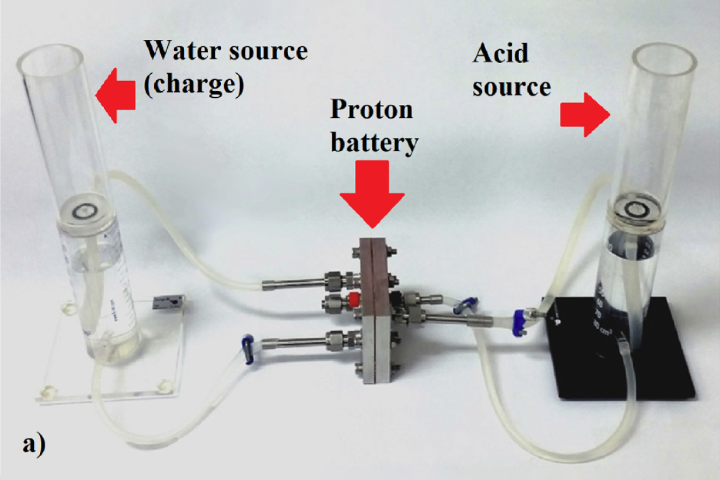 RMIT engineers say they've tripled the energy density of cheap, rechargeable, recyclable proton flow batteries, which can now challenge commercially available lithium-ion batteries for capacity with a specific energy density of 245 Wh/kg.
Load More