
Surgery
-
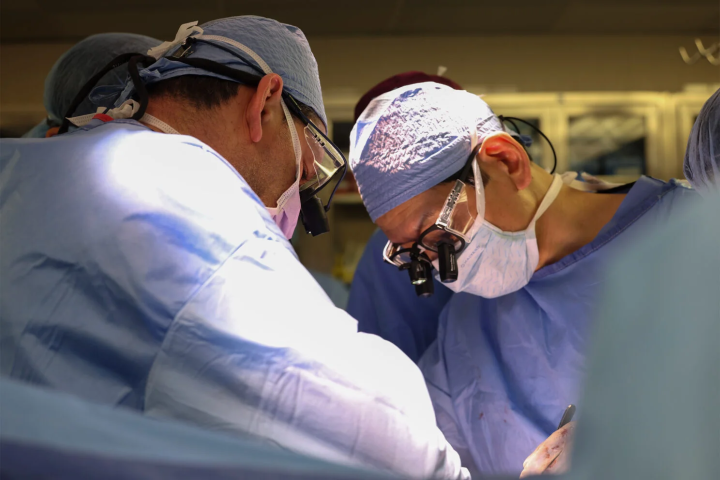 A genetically edited pig kidney has been successfully transplanted into a living patient for the first time. Reports indicate the man is doing well a few weeks on, raising hopes for a wider pool of donated organs in future.
 -
 A simple little sticker could soon be saving the lives of patients recovering from gastrointestinal surgery. The clever device is designed to detect the presence of leaking digestive fluids sooner than otherwise possible.
 -
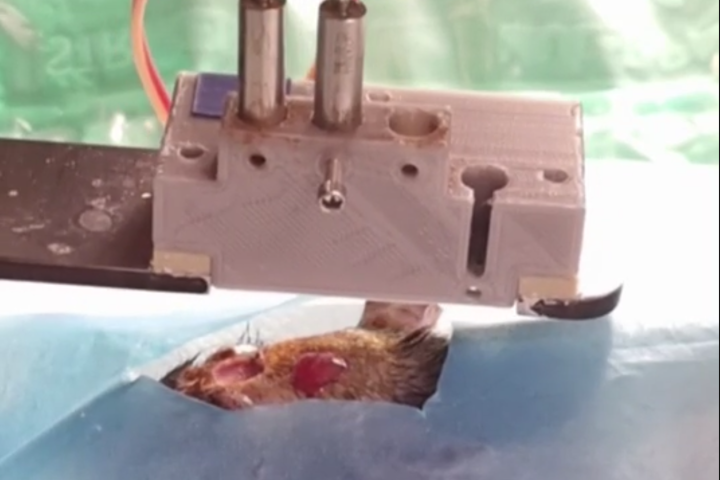 In a world first, researchers have printed multi-layered, living skin directly onto significant injuries in rats for scar-free skin repair. It's not sci-fi – they're genuinely 3D-printing skin (and possibly hair) right into damaged areas.
 -
 Six doctors in Nebraska have successfully operated a surgical robot aboard the ISS. This time, the operation was on only rubber bands, but the milestone could have meaning for future missions to Mars or for rural operating rooms here on Earth.
 -
 Gaining an understanding of how an egg's hard outer shell is anchored securely to a soft inner membrane, researchers believe could improve reconstructive surgeries like the repair of torn ligaments, which requires integration of soft and hard materials.
 -
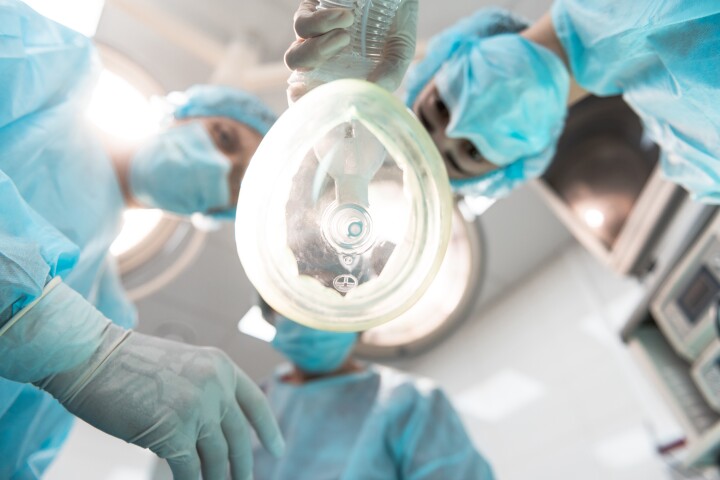 Almost 25 years since scientists first identified a difference in anesthetic sensitivity in males and females, a new study reveals how sex hormones make men more responsive to going and staying under. Yet dosage is still decided on by a patient's size.
 -
 A study has found that people with obesity who underwent weight-loss surgery had stable cognition two years after, and their executive function improved. It's a positive finding, given the association between obesity and rapid cognitive decline.
 -
 As a less invasive alternative to open-heart surgery, cardiac surgeons are increasingly accessing the heart from within using central venous catheters. An experimental new catheter could soon make such procedures quicker and easier than ever before.
 -
 A study has found that placing older adults in a simulated high-altitude environment for a week before major surgery greatly improved their hemoglobin levels, addressing a common preoperative problem, anemia, that can lead to surgical complications.
 -
 In a stomach-churning development, the UK Ministry of Defence has unveiled the latest version of the Surgical Advanced Mannequin (SAM) for training combat surgeons, which is almost too good at simulating battle injuries, including very realistic bleeding.
 -
 Researchers have developed a scalpel with built-in force-measuring sensors and coupled it with a machine-learning model that could streamline how doctors are trained to perform surgery and pave the way for automated surgical devices.
 -
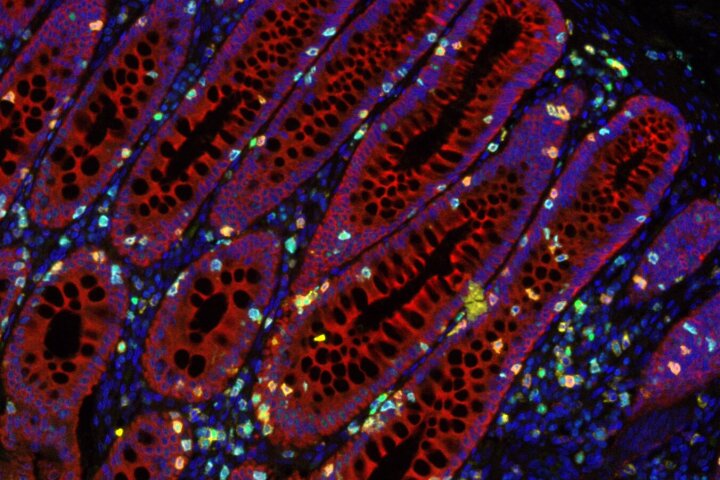 Each year, more than 150,000 Americans are diagnosed with bowel cancer, or colorectal cancer, and the disease has a dire survival rate if surgery isn’t successful. Scientists now believe they have found one tiny molecule that could change all that.
Load More