
Stress
-
 Two dogs in a small study were able to correctly identify what breath smelled like when it was linked to a memory of trauma. The finding might allow dogs to be even better friends when it comes to helping PTSD sufferers cope with their conditions.
 -
 Engaging in activities that are designed to blow off steam when you’re angry probably isn’t going to be effective at reducing your anger, researchers have found. It’s better, they say, to try activities that decrease your physical arousal.
 -
 A new study has found that experiencing financial strain, of all life's stressors, had the strongest detrimental effect on the immune, nervous, and endocrine systems that, together, are crucial for maintaining good health.
 -
 For the first time, scientists have uncovered the precise molecular mechanism that gives the tardigrade, one of the toughest organisms on the planet, its ability to switch on a near-invincibility cloak when faced with life-threatening conditions.
 -
 A study has found that a therapy program focusing on self-compassion and mindfulness reduced symptoms of post-traumatic stress. The intervention is promising for those who suffer from PTSD symptoms but don't meet the criteria for a formal diagnosis.
 -
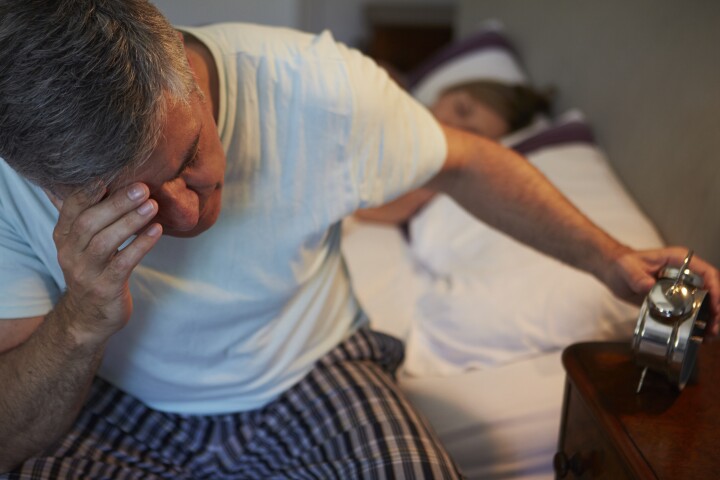 For the first time, scientists have identified how going to bed stressed fires up certain brain cells at the wrong time in the sleep cycle to significantly interrupt it – and that suppressing this activity can ensure 'business as usual' slumber.
 -
 Far beyond concerns about waistlines, reaching for fatty foods during stressful times can have a dangerous impact on cardiovascular function and then significantly impair our body’s ability to return to normal after the tough time subsides.
 -
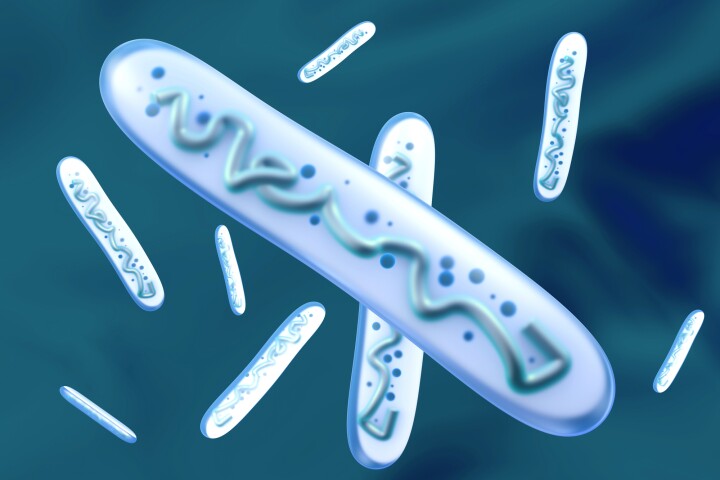 Researchers have identified how Lactobacillus, a member of our guts’ microbiome community, affects a critical immune system protein, influencing stress levels and mental health. The findings could lead to new treatments for depression and anxiety.
 -
 A new study has revealed that the body’s hormone stress response is why some people develop post-traumatic stress disorder following trauma exposure, and others don’t. The finding could lead to more targeted treatments for the condition.
 -
 Whether they're in machines, buildings or aircraft, it's always helpful to know if components are undergoing mechanical stress. A new material could quickly and easily let inspection personnel know, utilizing integrated glowing algae.
 -
 Ongoing stress can take a sizeable toll on the body, including higher risks of obesity, graying hair, hypertension, diabetes and cardiovascular disease. And it may be just as damaging to the brain, even doubling the risk of developing dementia.
 -
 A study of white-collar workers has found that men who experience work stress coupled with a job that requires high effort for low reward are at double the risk of developing heart disease, having a similar impact on heart health as obesity.
Load More