
Streaming
-
 Hisense USA says it's looking to redefine the high-end entertainment experience with the launch of the PX3-Pro, a daytime usable, triple laser ultra-short-throw projector that can throw Dolby Vision movies at up to 150 inches.
 -
 Apple TV+ has clearly invested in top-shelf science fiction as a defining pillar of its offering – and overall, it's put together an impressive slate. From outright successes to grand artistic swing 'n' misses, here's our ranking, worst to best.
 -
 In a world first, Amazon has partnered with Cochlear to make watching movies and shows more accessible for folks with hearing loss by streaming audio from a Fire TV device directly to a Cochlear hearing implant's sound processor.
 -
 IK Multimedia's iRig range has included microphones and audio interfaces in the past, but now the company is looking to make life easier for musicians, live bloggers, podcasters and creators with one device that combines the two.
 -
 Rotel has launched an integrated hi-fi amplifier that allows direct access to popular streaming services from the unit itself, in addition to offering wireless playback and analog connection to other hi-fi components. Just add speakers.
 -
 Back in 2014, audio brand Røde released an all-in-one USB condenser microphone that's still a popular choice for podcasters and streaming content creators today. Now the company has announced an update with integrated preamp and onboard DSP.
 -
 With Netflix losing subscribers for the first time in a decade we now move to phase 2 of the streaming wars, and dozens of services clamoring for your attention. But curiously, the future of television is starting to look a lot like old-fashioned broadcast TV.
 -
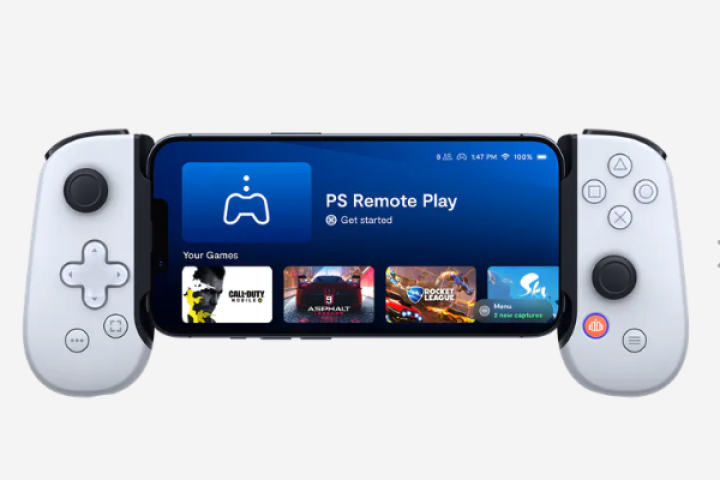 As streaming games improve, so too do mobile controllers. The Backbone One PlayStation Edition is a new controller that fits around your iPhone and lets you play PS4 and PS5 games via Remote Play, and any other mobile or streaming games.
 -
 Californian computer hardware maker Corsair has launched its first gaming laptop, though the Voyager a1600 is also aimed at streamers and content creators and comes with a funky 10-key shortcut panel for Elgato Stream Deck software.
 -
 With the announcement of an upcoming smartphone game/TV series crossover project Netflix is continuing its unexpected pivot into the gaming space. This follows moves to add games and experimental interactive content to its streaming TV and film platform.
 -
 Alienware's new Concept Nyx game-streaming device would supply all the necessary horsepower for four concurrent gaming sessions on any screen in the house, opening up some interesting options like super-simple switching between different screens.
 -
 We've recently had long-awaited adaptions of several classic science fiction and fantasy stories hit our screens and the good times are set to continue. Here are some highlights of big sci-fi and fantasy stories we can look forward to in 2022.
Load More