
Space Launch System
-
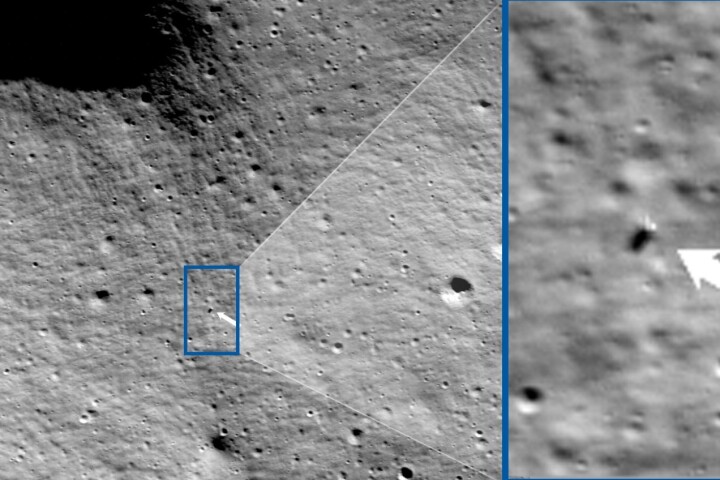 The IM-1 Moon landing mission will come to a premature end on Tuesday morning. Intuitive Machines has announced that Odysseus will no longer be able to charge its batteries by February 27, as sunlight stops falling on its solar panels. RIP Odie.
 -
 Explosions get you much more bang from your fuel buck than combustion – if your engine can withstand them. NASA believes the rotating detonation engine could be the future of deep space travel, and it's getting strong results in prototype testing.
 -
 NASA is pressing ahead with a launch attempt for Artemis I this week, with the Space Launch System rocket and Orion capsule in need of only minor repairs after being exposed to the forces of Hurricane Nicole out on the pad.
 -
 NASA is pressing ahead with its Artemis I mission, putting recent setbacks behind it to schedule another launch attempt. According to the agency, the rocket and spacecraft will be returned to the pad in early November ahead of lift-off later that month.
 -
 As Florida braces for a strengthening Hurricane Ian, which is expected to bring powerful storms and flooding rainfall to the state, NASA is taking no chances with its massive Moon rocket and Orion capsule.
 -
 It's another return to the drawing board for NASA scientists and engineers working on the Artemis I mission, which was due to lift off on Saturday until a hydrogen leak led to a last-minute scrubbing.
 -
 NASA has dusted itself off from the cancelled launch of Artemis I earlier this week and set a new date for a second attempt. The announcement comes after a review of data from Monday's efforts, and sets the stage for lift-off this coming Saturday.
 -
 NASA is inching closer to the commencement of a new chapter in lunar exploration with its Space Launch System and Orion capsule now declared "go" for launch, setting the stage for a dramatic lift-off on Monday if all goes to plan.
 -
 As the August launch date for NASA's first Artemis lunar mission approaches, Northrop Grumman has released a dramatic video of a full-scale static fire test of the giant solid-fueled Flight Support Booster-2 that will power the Space Launch System.
 -
 NASA has put a patchy few months behind it to officially conclude the testing campaign for its Space Launch System (SLS) and begin preparations for its maiden flight later this year, all going to plan.
 -
 NASA's massive new Moon rocket is inching closer to lift-off, with the Space Launch System today exiting its Vehicle Assembly building for the first time and making its way for the launch pad for what's known as a wet dress rehearsal.
 -
 NASA has powered up the core stage of its SLS rocket, completing an eight-minute hot-fire test of its four RS025 engines. The core stage is the largest rocket element ever built by NASA and is designed to carry astronauts to the Moon and beyond.
Load More