
Sight
-
 CRISPR gene-editing has improved the vision of patients with a form of blindness in a Phase 1/2 clinical trial. The results give new hope to patients with the condition, and show that CRISPR could be put to use in humans to treat a range of conditions.
 -
 Blinking keeps our eyes moist – but we actually blink way more often than we need to if that was the only reason. Scientists have now found that the involuntary action plays a bigger role than we thought, helping us process visual information.
 -
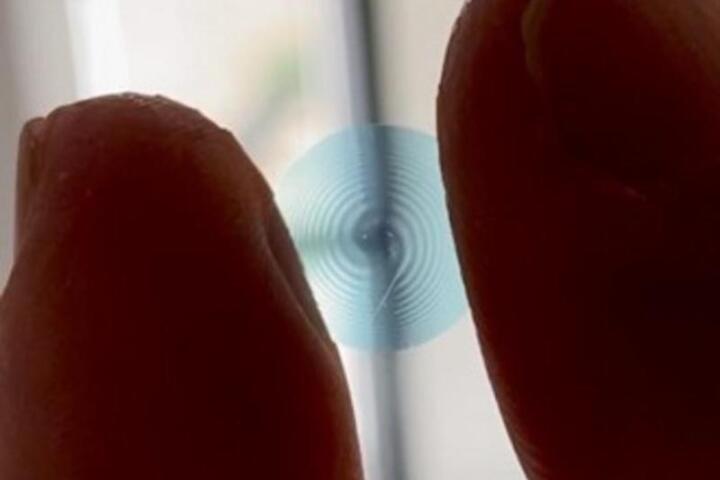 Scientists have developed a new type of lens that creates multiple focal points, which could make for glasses or contacts that provide a clearer view over a range of distances. The secret? Making the lens a spiral shape.
 -
 In a phase 1 clinical trial, scientists have demonstrated that corneal transplants, grown from a patient’s own stem cells, can successfully restore some vision after an eye injury.
 -
 A new technique may one day help restore sight to patients with inherited vision impairment. The regenerative therapy works by expressing genes that convert dormant cells into new light-sensing cells in the retina to replace those lost to disease.
 -
 Scientists in Europe have discovered a molecular “zipper” mechanism that can lead to cell death in the genetic disease retinitis pigmentosa. The good news is that injecting certain proteins could slow or prevent vision impairment from the disease.
 -
 Cataracts are one of the most common forms of vision impairment, and unfortunately surgery is the only real treatment. But the clouds may be parting on a new drug treatment, improving the vision of the majority of mice it was tested on.
 -
 Scientists have found that an existing drug, already used in humans, could help restore vision lost to conditions like age-related macular degeneration and retinitis pigmentosa. The discovery could also lead to a whole new class of drugs.
 -
 Yale researchers have found evidence that worms can detect the color blue – even though it doesn’t have eyes or any kind of visual system. In tests, the team found that the color of harmful bacteria influenced whether or not the worms avoided them.
 -
 One common symptom of multiple sclerosis (MS) is vision impairment, and it can progress to blindness in some cases. Now, researchers at the University of California, Riverside report a drug that was able to reverse that vision loss in mice.
 -
 Researchers in Australia are claiming an important breakthrough in glaucoma research, demonstrating how the degenerative condition can be treated using an innovative form of gene therapy that repairs damaged optic nerve cells.
 -
 Scientists in the UK have been putting an AI to the test for diagnosing glaucoma, with the results of the trial indicating it can pick up on progression of the disease 18 months earlier than current methods.
Load More