
Shipping
-
 Earlier this month, we featured a Whale Design propeller that looked to nature for improved efficiency. Switzerland's ABB Marine has also been inspired by "the dynamic motions of a whale's tail" for its multi-blade Dynafin propulsion concept.
 -
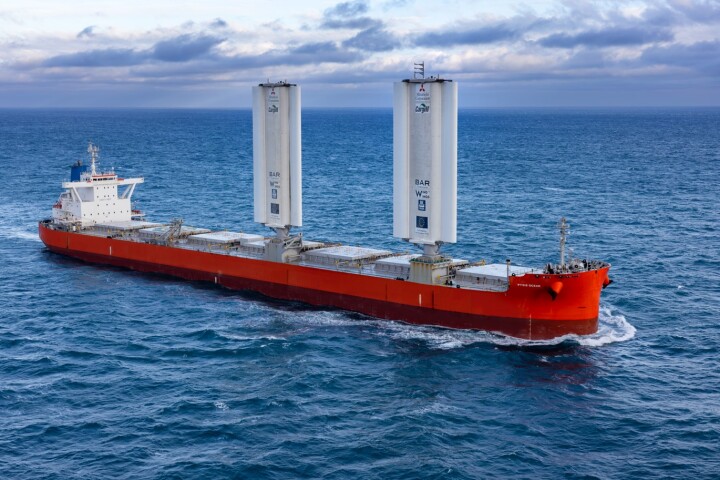 An age of greener, more efficient shipping may be in the offing as a specially modified 43,000-tonne bulk freighter completes a six-month sea trial using a combination of diesel engines and a set of high-tech automatic sails to catch the wind.
 -
 Transporting goods by inland waterways can be a dirty business, but an EU-backed project is looking to clean up its act – launching a container vessel powered by green hydrogen on a major cargo route between the Netherlands and Germany.
 -
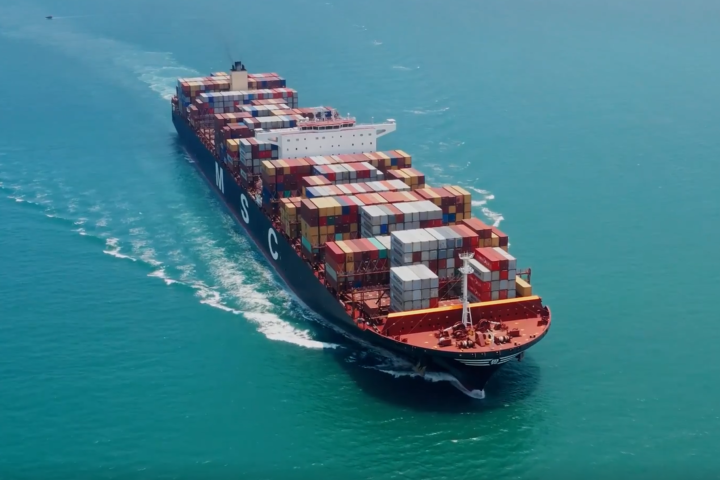 A remarkable pilot project installed on a 240-m (787-ft) container ship has proven it's possible to capture at least 78% of emissions from the smokestacks of cargo ships and convert the CO2 into limestone pebbles, which can be offloaded and sold.
 -
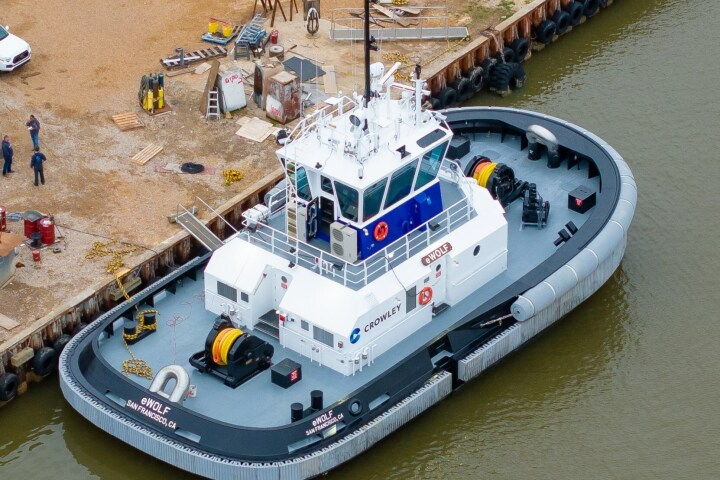 Back in 2021, Crowley commissioned the building of the first electric tug to assist ships in a US harbor. Now the company has taken delivery of the eWolf, ahead of operational duty at the Port of San Diego later this year.
 -
 Ships can become mobile wave energy converters, say Chinese researchers, using "heaving oscillators" that draw power from heaving, rolling and pitching movements as they move through the sea, while also acting as motion dampers to improve safety.
 -
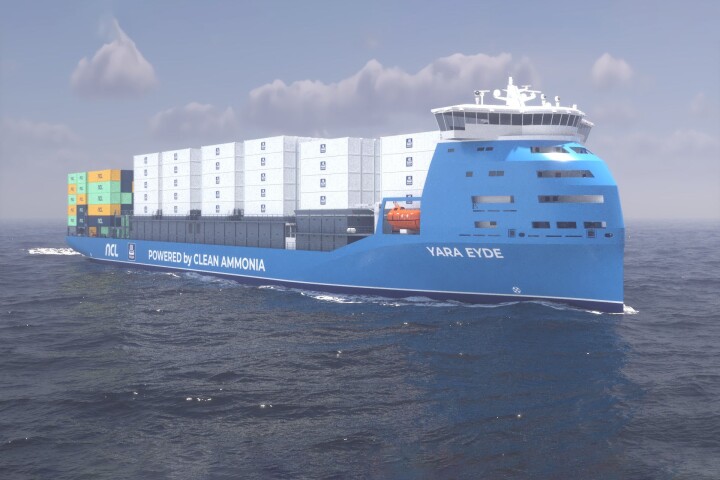 Green ammonia offers a solution to one of the hardest tasks in decarbonization: replacing diesel in large ships. Yara is stepping forward with a commitment to launch the world's first clean ammonia-powered container ship, ready for service in 2026.
 -
 Mentioning Airbus doesn't usually bring the image of sea vessels to mind, but the aerospace giant has announced that it plans to replace its charter fleet that carries components across the ocean with greener, more efficient ships starting in 2026.
 -
 HyperloopTT's latest transport-revolutionizing vision, the fully automated Express Freight system uses hyperloop shipping capsules and conveyor belts to get freight to its destination faster, at a lower cost. Is it the future of freight transport?
 -
 Nuclear Transport Solutions (NTS), part of Britain's Nuclear Decommissioning Authority, is looking to reduce fuel costs and emissions of its ships used to transport spent nuclear fuel from around the world by retrofitting them with high-tech sails.
 -
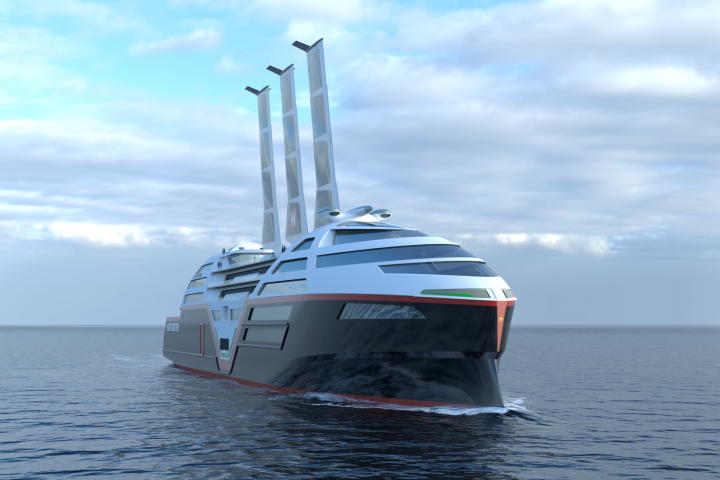 Hurtigruten Norway has released its concept of the eco-friendly cruise ship of tomorrow called Sea Zero that uses a raft of new technologies, including battery-powered propulsion and artificial intelligence, for zero-emission marine travel.
 -
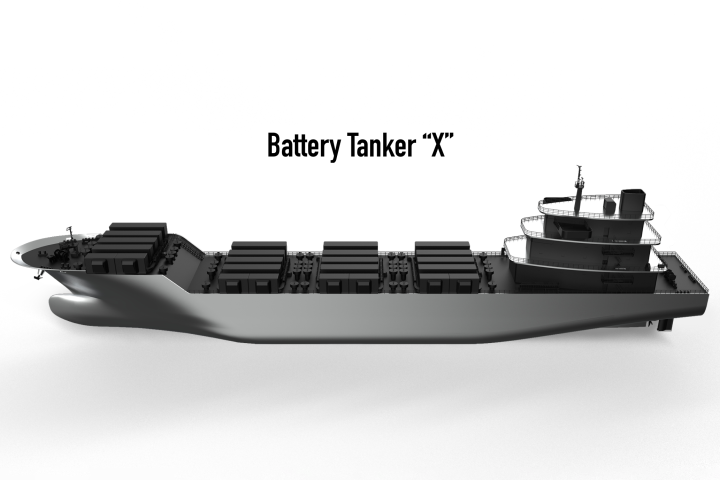 Japanese company PowerX is moving ahead with its strange plan to build a "mobile power station" in the form of a 140-meter (460-ft) electric "battery tanker," which will carry 241 megawatt-hours of renewable energy across the sea over short distances.
Load More