
Sewage
-
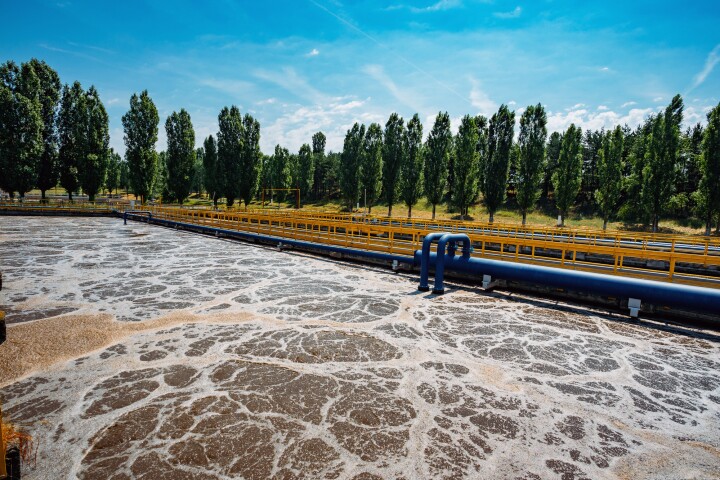 Researchers have developed a simplified, sustainable method of converting sewage sludge from wastewater treatment into high-value activated carbon that can be used in a wide range of industrial and residential applications.
 -
 Concrete sewage pipes lead a hard life, constantly being exposed to corrosive acid produced by bacteria in wastewater. A new additive could allow such concrete to self-heal – and it would do so using water treatment sludge.
 -
 It was just this week that we heard about the SPD1, a spider-inspired robot designed to inspect sewer lines. Well, it looks like the bot won't be alone down there, as the recently announced Joey robot is designed to do exactly the same thing.
 -
 According to Japanese robotics firm TMSUK, there's currently a shortage of sewer-inspection workers in that country. The company has therefore set out to streamline the workload for existing workers, by making a sewage-pipe-inspecting robotic spider.
 -
 The sludge that is created through sewage treatment processes is rich in nutrients like phosphorous and nitrogen, making it an excellent source of fertilizer for agriculture. But research has found it also contains significant amounts of microplastics.
 -
 Even with today's various sewage-treatment technologies, a great deal of municipal wastewater is still released back into waterways either partially or completely untreated. According to a new study, however, plots of willow trees could be used to clean it up – while also producing useful materials.
 -
 A new technology developed at Duke University could automate the process of analyzing stools for signs of disease, by working in existing toilet systems and using artificial intelligence to scan and classify feces as they are flushed through.
 -
 Nitrogen and phosphorus are two of the key pollutants that have to be removed from sewage, and doing so typically involves two separate steps. Thanks to a newly-discovered bacterium, however, both could soon be removed at once.
 -
 A team from Australia's RMIT University says it's figured out a cost-effective way to produce hydrogen using wastewater and sewage. The process not only produces clean H2 gas, it also captures all the carbon in human poop and puts it to valuable use.
 -
 Scientists in Italy have uncovered evidence of the coronavirus appearing in sewage months before the country confirmed its first cases, a finding that may help them understand the origins of the virus and how it spread throughout the country.
 -
 Australian researchers are reporting a breakthrough in the battle against the novel coronavirus, discovering evidence of the virus in raw wastewater samples collected in the northern state of Queensland.
 -
 Scientists are pursuing some interesting technologies that could help us unlock the secrets of our sewage. Among them is a new type of “smart toilet” that automatically scans urine and stool samples for signs of disease.
Load More