
Sensor
-
 Engineers at UC Davis have developed a new radar sensor that can pick up movements just 100th the width of a human hair. Better yet, the sensor itself is only the size of a sesame seed and is energy efficient.
 -
 Researchers have developed a wearable, noninvasive sensor that monitors for a biomarker of inflammation in the wearer’s sweat. They say the device could be used at home by people with chronic inflammatory diseases.
 -
 Inspired by the human eye, researchers have created a tiny device that captures, recognizes and memorizes images enabling it to make quick, real-time decisions based on what it sees. The device could one day be used in self-driving cars.
 -
 Researchers have developed a tiny sensor that monitors the freshness of protein-rich foods like meat, chicken and fish in real time and sends the data to your smartphone. The device has the potential to transform food safety and security worldwide.
 -
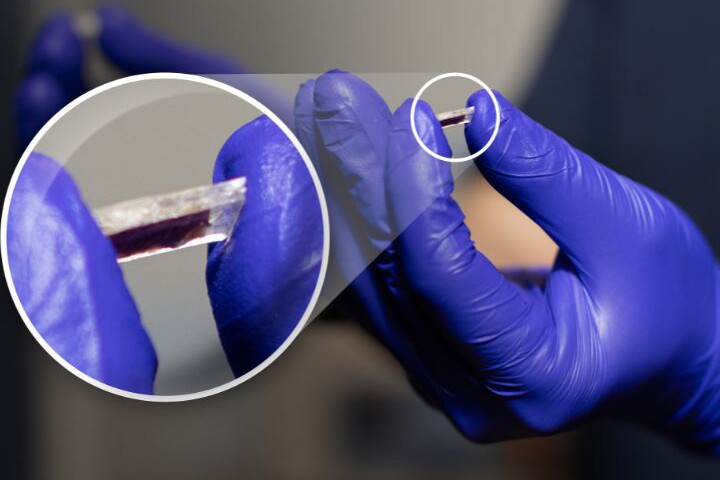 Monitoring extreme environments requires a sensor continues to work in high temperatures. Now, researchers have developed a piezoelectric sensor that operates reliably at the temperature of erupting mafic lava, the hottest type of lava on Earth.
 -
 Researchers have created cutting-edge graphene sensors to produce an interface that allows for accurate robotic control using thought alone. The development has positive implications for healthcare and a range of other industries.
 -
 Overactive bladder syndrome can interfere with a person’s daily activities and affect their mental health. A new hydrogel-based sensor can continuously monitor overactive bladders and potentially improve the treatment of the condition.
 -
 Science is quickly catching up to the powerful sniffers on dogs with its own range of artificial noses. Case in point: researchers modified E. coli bacteria to spin electrically conductive nanowires capable of detecting disease-related odor molecules.
 -
 A team of engineers has developed a new type of camera that can detect radiation in terahertz wavelengths. This new imaging system can see through certain materials in high detail, which could make it useful for security scanners and other sensors.
 -
 Skin plays a key role in our sense of touch, but its sensitivity is hard to replicate. Now, researchers have developed a new type of electronic skin (e-skin) containing tiny embedded hairs that can precisely perceive touch and the direction it moves.
 -
 Imagining a future where hundreds of sensors are placed around forests or farms for large-scale monitoring of the environment, scientists have developed platforms light enough to disperse like dandelion seeds in the breeze when dropped from a drone.
 -
 Blind corners have long troubled drivers, but researchers have now developed a holographic camera technology that can peer around corners by reconstructing scattered light waves, quickly enough to spot fast-moving objects like cars or pedestrians.
Load More