
Security
-
 ID verification tags aren’t much use if someone can just peel them off and stick them to a fake product. MIT scientists have now designed ID tags that use the glue itself as a kind of fingerprint, and will scramble the barcode if someone peels it off.
 -
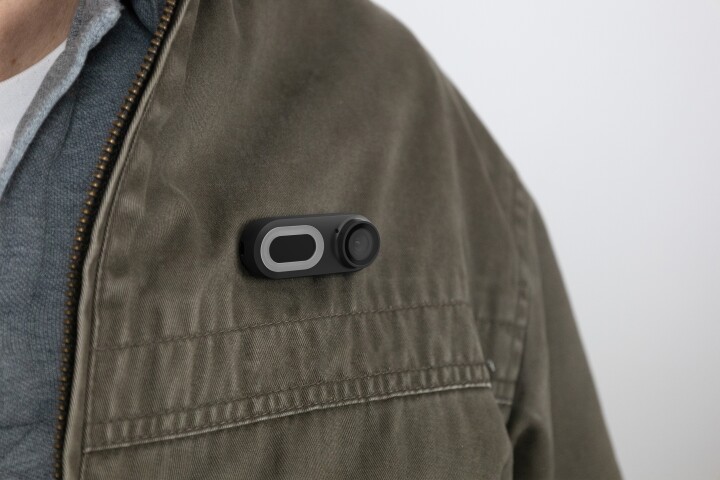 Sometimes, violent people rein in their aggressive behavior if they know they're being recorded on video. Whipping out your phone and filming them, however, may make things even worse. That's where the PhoneCam is intended to come in.
 -
 Cybersecurity is a growing concern as more critical infrastructure can be exposed to hacks. Now Australian engineers have developed and demonstrated a new technique called “ineffable cryptography,” which treats keys like the Coca-Cola secret formula.
 -
 An international team of IT security experts, led by the Max Planck Institute for Security and Privacy (MPI-SP) and Ruhr University Bochum, have developed a way of using radio signals to verify the location of nuclear weapon stockpiles.
 -
 Chain-style bike locks are nice because they're flexible, although they're kinda limp – like a piece of boiled spaghetti. The Abus Goose Lock 6206K is different, in that it's bendy but it holds its shape – more like a giant pipe cleaner.
 -
 While there are a ton of high-tech bike headlights on the market, most of them are pretty similar to one another. The Guard X stands out, however, with features like an anti-theft alarm, changeable light colors, and a maximum output of 4,000 lumens.
 -
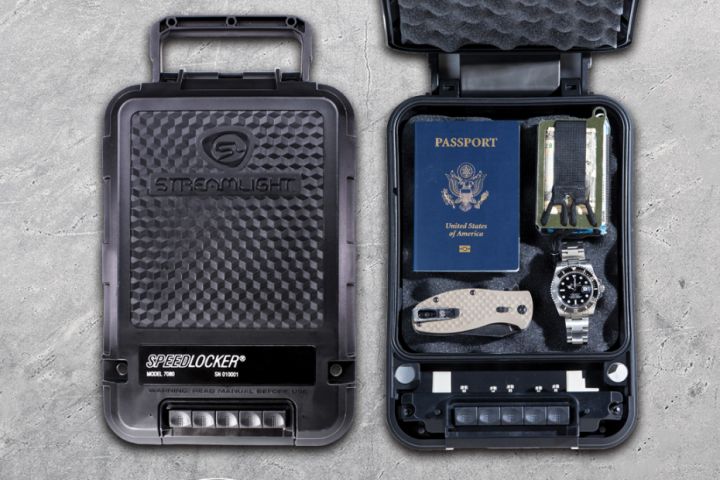 Streamlight is well known for portable lighting solutions, but now it throws some weight into the EDC case segment. Its rugged new SpeedLocker keeps the likes of watches, passports, and even small firearms safe behind an analog punch code.
 -
 Finland may be known as the happiest country on the planet. But right now, if any residents want to leave their paradise to travel to certain parts of the UK, they can ditch their paper passport and use a smartphone instead.
 -
 With US car thefts up 25.1% since 2019, it's clear that high-tech key fob immobilizers aren't cutting the mustard. But this might: UMich researchers have created a charmingly low-tech anti-theft device that turns the whole car into a security keypad.
 -
 While there are now a number of smart electronic bike locks on the market, almost all of them are rigid U-locks. The Lasso is different, in that it's a flexible chain lock … but it can still do the usual things, like wirelessly unlocking and more.
 -
 While there's no substitute for a big, burly, ultra-secure bike lock in high-theft-risk scenarios, sometimes a lighter, more compact lock is a bit more practical. That's where the Abus CombiFlex TravelGuard is designed to come in.
 -
 Since we first got wind of Saildrone's autonomous USVs back in 2018, they've mapped miles of ocean floor, chased hurricanes, and surveyed remote regions. Now the company is adding a new vessel to tackle near-shore mapping and maritime surveillance.
Load More