
Safety
-
 An experimental new helmet could save drivers of construction vehicles from serious injuries. The device measures the extent to which its wearer is being shaken up while driving, and sounds an alert when the shaking gets to be too much.
 -
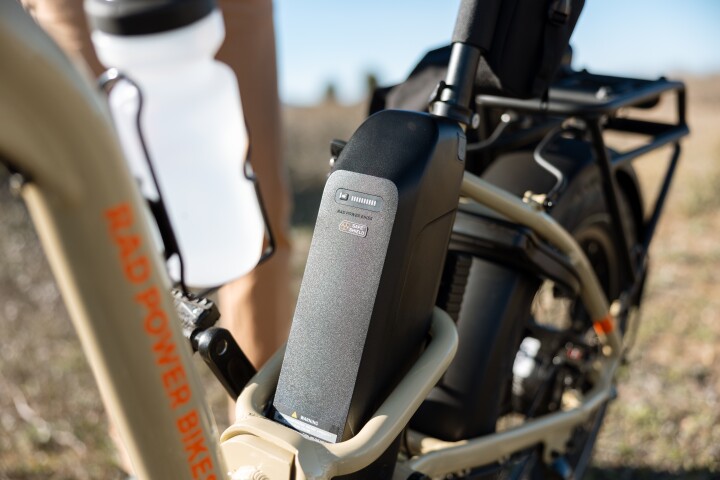 Rad Power Bikes already ensures that all of its models meet UL safety standards, but has now gone further with the introduction of the Safe Shield Battery, which incorporates technology designed to protect against overheating.
 -
 It slices, it dices, it's super strong and conductive, and now an ultra-pure form of ‘wonder material’ graphene has been inhaled during a human trial without affecting lung or cardiovascular function, opening the door to a novel drug delivery mode.
 -
 It's a sad and gruesome fact that robotic lawnmowers sometimes run over hedgehogs, maiming and even killing them. That's why scientists have recently developed a rubber hedgehog stand-in, for safety-testing such mowers.
 -
 Just because you're a strong open-water swimmer doesn't mean you'll never get into situations where there's a real risk of drowning. That's where the SwimVest comes in, as it's a wearable airbag system designed specifically for serious swimmers.
 -
 Ireland’s new commission for media regulation, has invited public feedback on the country’s first Online Safety Code, which includes a recommendation that video-sharing platforms consider turning off recommender algorithms based on user profiling.
 -
 On modern worksites, workers are typically required to carry – or even wear – quite a few electronic devices. The SmartHat is designed to make things easier, by packing a head-load of gadgets into a single safety helmet.
 -
 Huge props to these two helicopter test pilots, who have white-knuckled it through one of the most harrowing experiences in rotorcraft flight – an unpowered autorotation emergency landing – allowing an autonomous system to take the controls.
 -
 Anyone who's been to karaoke night at a bar knows just how dramatically altered our voices get after throwing back a few drinks. Scientists have now shown that analyzing these vocal changes is a surprisingly good way to see just how drunk we are.
 -
 As any car-chase action movie will tell you, the gasoline used in our vehicles is flammable, explosive stuff. Scientists have created a new combustible fuel, however, which stays safely non-flammable for transport and storage.
 -
 Exactly 10 years ago, Omate launched a funding campaign on Kickstarter for a standalone smartwatch called the TrueSmart. Now the company has launched the second generation, this time as a Wearable-as-a-Service platform for seniors and lone workers.
 -
 Bike helmets can be bulky things to carry around, which is why we've seen ones that fold or collapse when not in use. The Inflabi takes yet another approach, however, in that it simply gets deflated and rolled up.
Load More