
RFID
-
 ID verification tags aren’t much use if someone can just peel them off and stick them to a fake product. MIT scientists have now designed ID tags that use the glue itself as a kind of fingerprint, and will scramble the barcode if someone peels it off.
 -
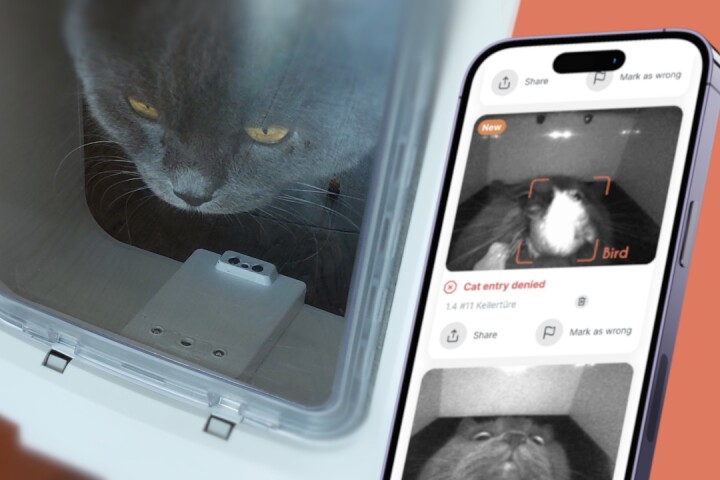 RFID cat flaps are great for keeping animals from wandering into your house, but they don't stop your cat from bringing dead animals into said dwelling. The ZeroMouse was designed to address that shortcoming, by blocking access to cats carrying prey.
 -
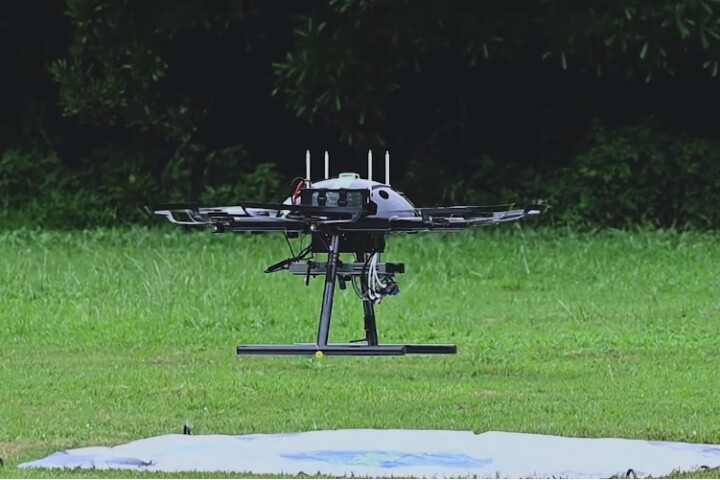 When it comes to locating landing pads or other landmarks, drones rely largely on visual cues. So, what happens if it's dark or foggy, and there's no ground-based power for lights? Well, that's where the Millisign system is intended to come in.
 -
 There are many situations in which it's important to know how much force one object is applying to another item. A small, thin sticker has been designed to measure and relay such data, without requiring wires or batteries.
 -
 RFID tags wirelessly provide information on products or other items, but they can only be read by dedicated portable devices. That may soon change, however, as a tag-integrated chip and a software update could allow smartphones to do the job.
 -
 It can be difficult, digging out your keys or wallet when your hands are full. Well, if an experimental new 3D-printed "smart ring" reaches production, such digging may no longer be necessary.
 -
 Robots are now regularly used in applications such as picking purchased items from shipping warehouses … but most of them still can't see through walls. That said, a new bot is essentially able to do so, with a little outside help.
 -
 Rugby is a chaotic game at the best of times, so it can be difficult to gauge when illegal actions such as forward passes occur. That's where a new "smart rugby ball" comes in, which is packed with sensors that record its movements.
 -
 We've recently seen a number of battery-free implantable biosensors, that are activated by the handheld device that reads them. Scientists have now created another such sensor, that's smaller than any that have come before.
 -
 In order for surgeons to maintain sterility in the operating room, they certainly shouldn't be using touchscreens. A new wearable, however, may allow them to navigate content such as preoperative planning diagrams, without touching the screen.
 -
 Engineers at MIT are developing a way to turn the humble RFID tag into a light-powered sensor for the internet of things.
 -
 It was just last year that we heard how scientists from Stanford University had designed a skin-worn sensor that measures stress via cortisol levels in the sweat. Now, researchers from that same institute have announced a similar sensor that tracks other vital signs.
Load More