
Pollution
-
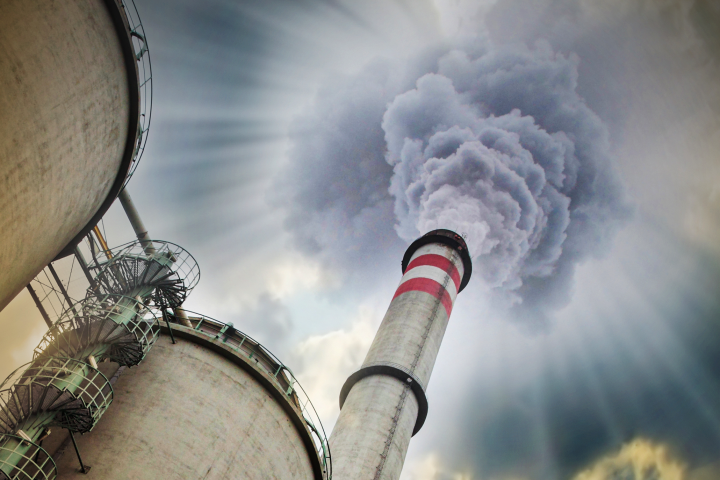 In 2016 researchers found unusually high levels of magnetite in a number of human brain samples. The tiny toxic particle can be found in modern urban air pollution and is now suspected to be one environmental contributor to Alzheimer's disease.
 -
 While stormwater runoff pollutants in general aren't great for aquatic animals, chemicals from tire particles are particularly harmful to salmon. A study now shows that permeable pavements could keep most of those toxins from ever reaching the fish.
 -
 Though efforts to clean up plastic waste from our oceans are well underway, it's also vital to stem the tide at a major source of pollution: rivers. Researchers in South Korea are looking to doing just that at a "living lab" facility in Gongju.
 -
 No-one enjoys idling in peak-hour traffic, yet scientists have identified that a blood pressure spike during it doesn't come from frustration but from ultrafine particles flowing into the car. And the average 4.5 mm Hg spike lasts for an entire day.
 -
 While the use of recycled plastics is normally considered a noble endeavor, a new study says it's time to think twice. In an analysis of the material from more than 10 different countries, hundreds of potentially harmful chemicals were uncovered.
 -
 Checking for pollutants in the environment via soil sampling and other traditional methods can be a laborious process, but what alternatives are there? Well, scientists have now engineered a plant to turn red when exposed to specific toxic chemicals.
 -
 Purifying polluted soil can be a difficult process, often requiring the soil to be dug up and transported to an offsite remediation facility. Now, however, scientists have developed an eco-friendly method of treating it where it lays – by zapping it.
 -
 Years before Samsung and others started tackling microplastic from machine washes escaping into the environment, there was Slovenia-based PlanetCare. Now the company has announced its second-generation external filter.
 -
 While it's important to track and quantify airborne pollutants, most gas sensors are located at ground level, not up where the pollutants spread. A new lab-on-a-drone system is designed to address that limitation, by taking the tech to the sky.
 -
 A new study has found that we’re doing something right when it comes to air pollution. An analysis of global data has found that exposure to fine particulate matter, a leading environmental health risk, has fallen.
 -
 We often hear of cyanobacteria as being the cause of toxic algae blooms in lakes. Soon, however, a 3D-printed material that incorporates the microbes may be used to purify polluted water – and after the bacteria are finished, they'll kill themselves.
 -
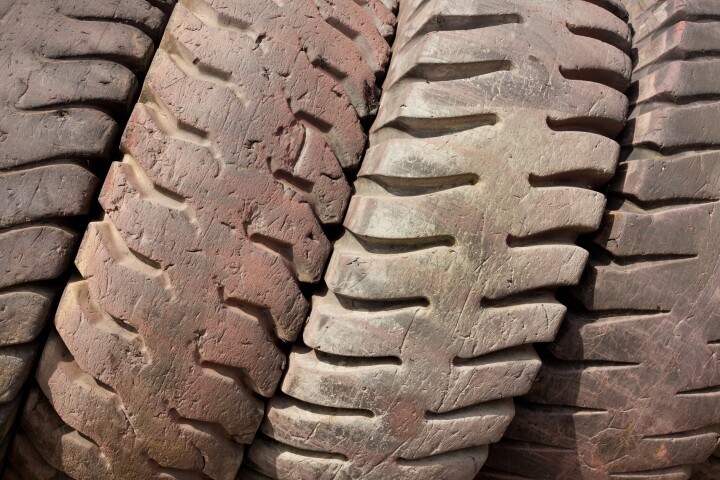 Researchers have found that tire wear and tear is a major contributor to urban waterway pollution, producing particulate matter that includes microplastics. But they also found effective ways of reducing this type of potentially harmful pollution.
Load More