
Plants
-
 Pothos plants are already known for being particularly good at purifying indoor air, so imagine if it were possible to make them 30 times better at doing so. Neoplants claims its Neo PX system does just that, using special soil-dwelling bacteria.
 -
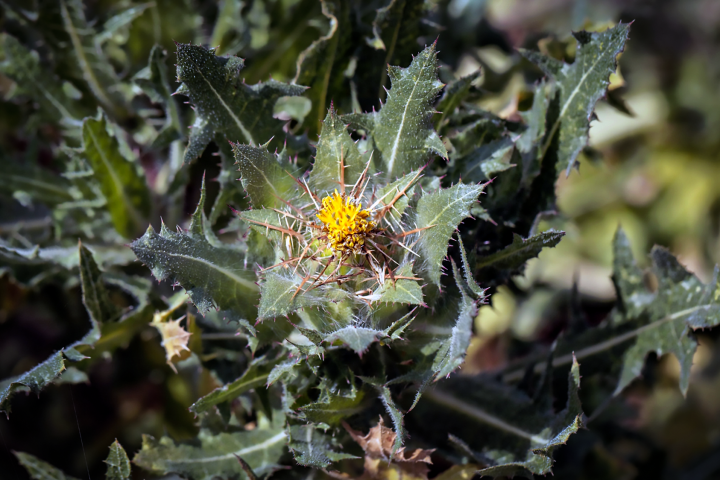 Nature has again proven effective in treating health conditions, this time nerve injury. According to a new study, a compound found in the blessed thistle plant accelerates the regeneration of damaged nerves, restoring motor function and touch sensation.
 -
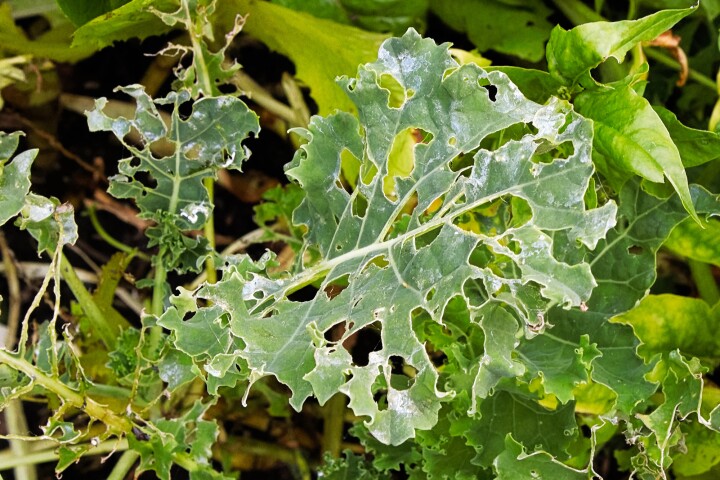 Specially tagged "sentinel plants" could soon provide an early warning of crop problems such as insect damage or bacterial infection. These plants would utilize two "glowing" sensors that react to stress-related compounds in the leaves.
 -
 A worm-filled gel has been shown to protect crops from pests, without the use of environmentally-unfriendly pesticides. Its not-so-secret ingredient is scores of tiny nematodes, which ordinarily can't survive outside of their underground habitat.
 -
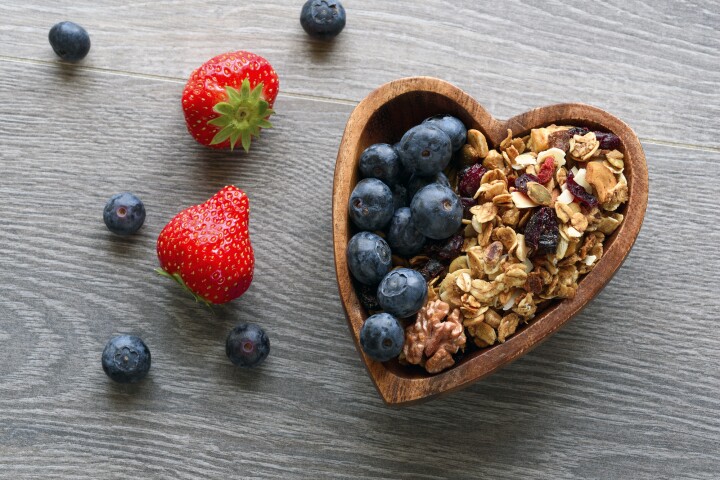 There's been no guide on how much dietary fiber you need to eat to reduce blood pressure – until now. A new study has confirmed that it has an effect independent of medication and quantifies just how much is needed to directly impact high blood pressure.
 -
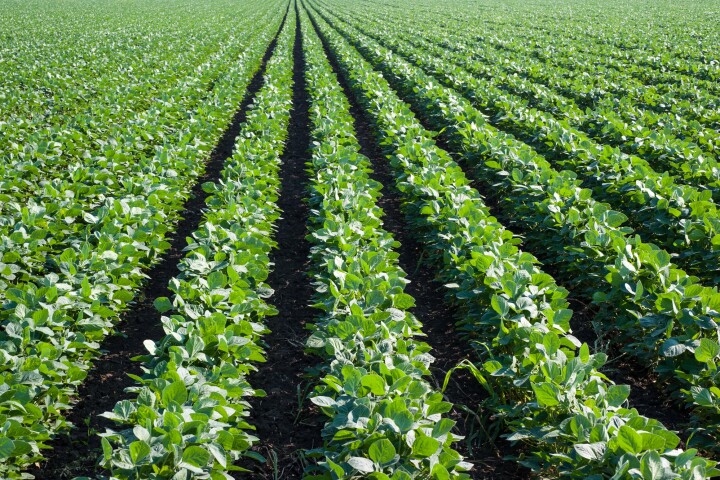 The application of crushed rock to farmers' fields may not only reduce greenhouse gases, it could also boost crop yields by up to 16%. These are the findings of a new study conducted by scientists from the University of Sheffield.
 -
 A new technique may make it easier to selectively breed crop plants for better, deeper roots. The non-destructive process involves quickly checking a plant's leaves to see how far down its roots go into the soil.
 -
 This indoor vegetable-growing machine uses artificial intelligence, cameras, climate control and a smartphone app to deliver a constant supply of fresh herbs and vegetables using minimal time, energy and effort.
 -
 Scientists have uncovered the oldest fossilized forest, dating back 390 million years. The ancient forest was made up of the first trees to ever grow on Earth – bizarre “prototype” trees that had to rip their skeletons apart in order to grow.
 -
 Thanks to a recent discovery regarding marine algae, scientists have developed crop plants that absorb a fuller spectrum of sunlight, resulting in better growth. The finding could also lead to increased production of biofuels.
 -
 When it comes to protecting crops via insect-blocking netting, you may think that the size of the holes in that netting is the most important factor. According to new research, however, the color of red netting makes an even bigger difference.
 -
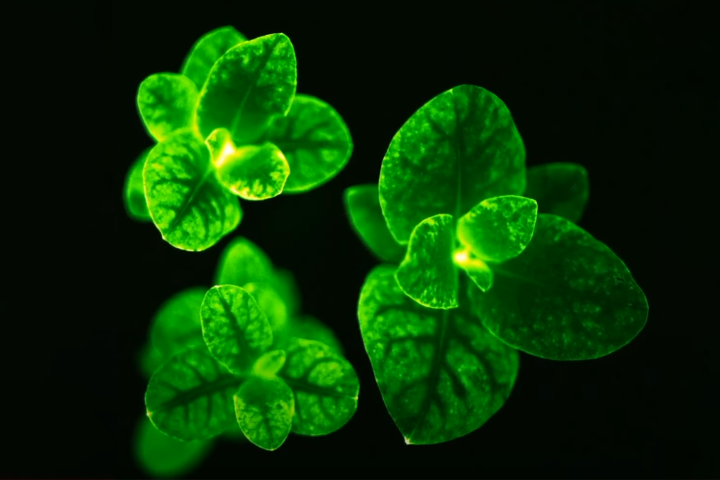 The USDA has approved Light Bio's "Firefly Petunias," and the company is taking US$29 pre-orders on these remarkable gene-edited houseplants. They glow in the dark, making them a captivating home decor addition for science buffs.
Load More