
Piezoelectric
-
 An experimental new helmet could save drivers of construction vehicles from serious injuries. The device measures the extent to which its wearer is being shaken up while driving, and sounds an alert when the shaking gets to be too much.
 -
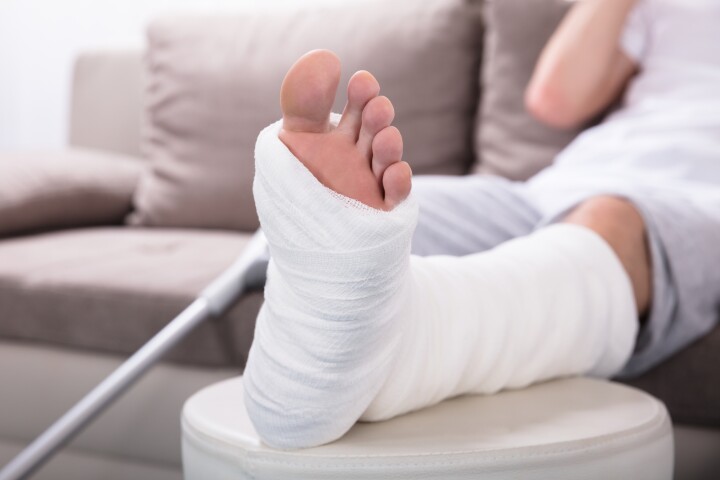 Researchers regenerated damaged bone in mice by creating a scaffold that combines a piezoelectric framework and the growth-promoting properties of a naturally occurring mineral. The novel “bone bandage” has wide-ranging potential applications.
 -
 In a move that echoes a sci-fi series, researchers have developed a material that was able to not only stimulate nerves in rodents, but reconnect them as well. The finding could lead to injectable particles that take the place of larger implants.
 -
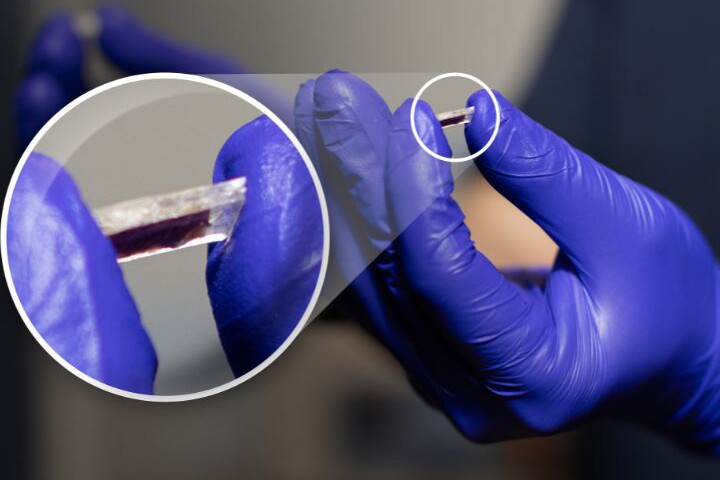 Monitoring extreme environments requires a sensor continues to work in high temperatures. Now, researchers have developed a piezoelectric sensor that operates reliably at the temperature of erupting mafic lava, the hottest type of lava on Earth.
 -
 Although there already are experimental "telehaptic" systems that allow people to send and receive tactile sensations, they tend to be bulky and awkward. A new one is much slimmer and thus more practical, thanks to the use of piezoelectric materials.
 -
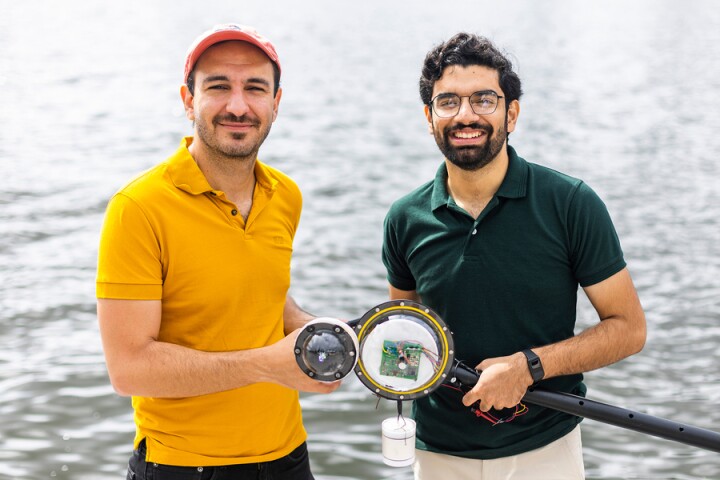 While seabed-located cameras are great for tasks such as monitoring wildlife, powering them can be challenging. That's where a new MIT-designed camera comes in, as it requires no battery, plus it wirelessly transmits its photos through the water.
 -
 One of the dangerous things about sports-related concussions is the fact that athletes may not realize they have one, so they don't seek medical attention. A new sensor could let them know, and it would go on their neck, not their head.
 -
 Engineers at MIT have developed an ultra-thin speaker that could be used to make entire surfaces produce sound. The unique design should be energy efficient and easy to produce at scale, the team says.
 -
 By stimulating cells to reproduce, electricity has already been shown to help heal soft tissue injuries. Now, an electricity-producing implantable material likewise appears to boost the regrowth of cartilage in compromised joints.
 -
 Although we've seen several systems that use vehicle-integrated cameras to detect intoxicated drivers, a team of Japanese scientists claim that such technology isn't always reliable. Their alternative? A drunk-driver-detecting car seat.
 -
 Although hearing aids do make life easier for many people, their limited battery life can be problematic. Scientists have set about addressing that shortcoming, by designing a hearing aid that requires no batteries.
 -
 While implanted artificial teeth do offer a longer-term alternative to dentures, they may need to be surgically replaced if gum infections occur. Scientists are thus working on a better implant, that would generate electricity via mouth movements.
Load More