
Photography
-
 Tech company Beaverlab has launched a Kickstarter to raise funds for a smart super-telephoto camera called the Excope DT1 that can be had with a 400-mm zoom lens, and works with a smartphone to capture distant imagery.
 -
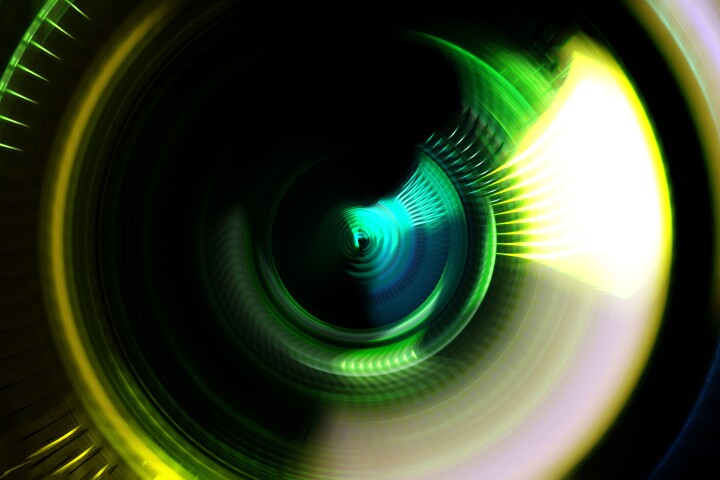 Engineers at INRS Énergie Matériaux Télécommunications Research Centre in Canada have developed the world’s fastest camera, which can shoot at an astonishing 156.3 trillion frames per second.
 -
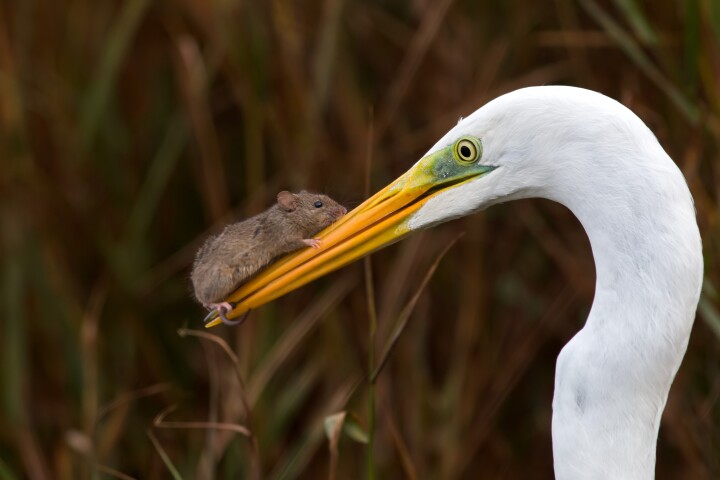 A new photography competition has released its first batch of winners and finalists. A portrait of a playful sea lion has won the inaugural Nature Photography Contest, which showcases animals, plants, landscapes and human impact on the environment.
 -
 What did your area look like 1,000 years ago? Well, people in the year 3023 might have the luxury of finding out, thanks to an art/science project called the Millennium Camera, which will take an extremely long-exposure photo of the Arizona desert.
 -
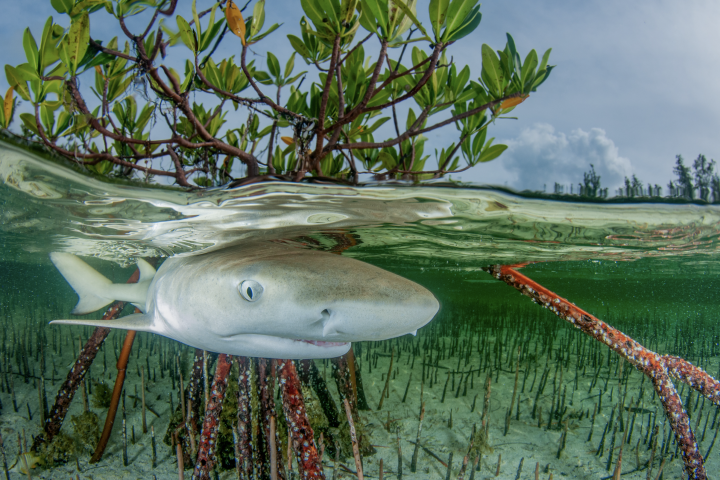 Every year, countless stunning images are submitted to photography competitions around the world. From cosmic structures to microscopic marvels and everything in between, here is a snapshot of the most awe-inspiring photographs of 2023.
 -
 Space is one of the most versatile and photogenic subjects, and this year was no different. From a sunrise captured by the International Space Station to the most distant star ever observed, here are some of the best space photographs taken in 2023.
 -
 In fluid dynamics, hard science often comes with dazzling aesthetic beauty – a fact the American Physical Society highlights annually with a photo/video contest. Here are this year's winners – equal parts fascinating, hypnotic and visually stunning.
 -
 Hot on the heels of last month's launch in China, Vivo has opened the X100 flagship phones to international markets, each featuring an upgraded Zeiss imaging system, Mediatek's flagship chipset and more battery life.
 -
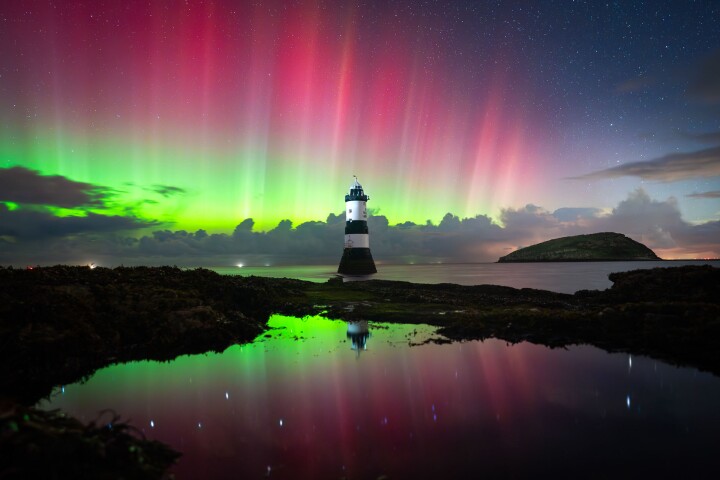 In good news for aurora photographers, the Sun is approaching the most active period of the solar cycle. As such, the stunning light shows in the 2023 Northern Lights Photographer of the Year collection are particularly vibrant.
 -
 Here’s your chance to play juror and vote in the Wildlife Photographer of the Year People’s Choice Awards 2023, a collection of 25 stunning photographs that shine a light on the beauty and brutality of the natural world.
 -
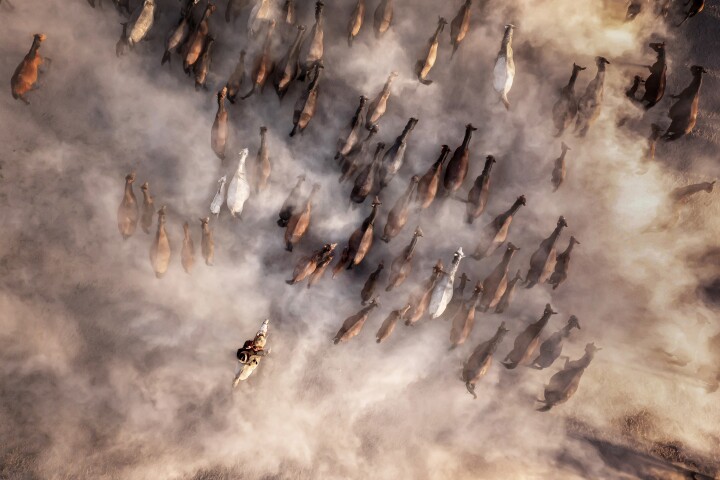 Photo contests offer a window to the world around us, and in this case, it's one full of grand beauty but also, increasingly of extremes. These images capture both the fight for survival and our resilience as we face life on a rapidly changing planet.
 -
 The winners of the Urban Photo Awards 2023 have been unveiled. It’s a collection of images that celebrate the diversity of city life, from the mundane to the extraordinary and everything in between.
Load More