
ORNL
-
 A new wireless EV charging pad can fill a car's battery as efficiently as a wired plug, at groundbreaking 100 kW power levels – unlocking the possibility of fast, efficient and super-convenient charging simply by parking in a designated spot.
 -
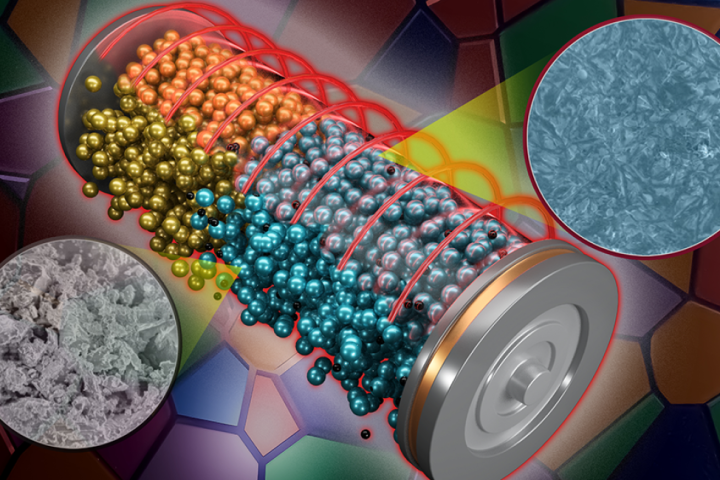 Oak Ridge National Laboratory has come up with a small tweak to the way that a type of solid-state battery is made, which eliminates defects in the electrolyte film, opening the way to safer and more efficient batteries.
 -
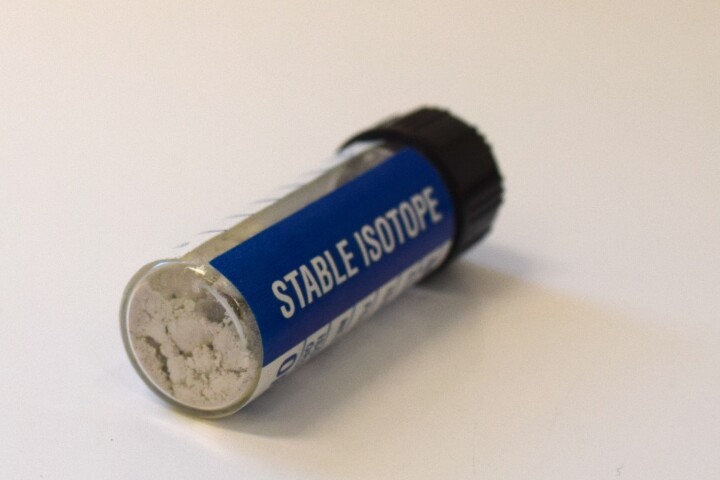 To make the United States self-sufficient in rare exotic elements, the Oak Ridge National Laboratory (ORNL) has developed a latest generation electromagnetic isotope separator (EMIS) to harvest stable isotopes across the entire periodic table.
 -
 The US Department of Energy's Frontier supercomputer has been crowned world's fastest at the International Supercomputing Conference 2022 in Hamburg, Germany, and is the first system to enter the exascale era of computing.
 -
 ORNL has developed a 3D-printed nuclear reactor core prototype, with the ultimate goal of creating an advanced, full-sized, 3D-printed reactor with integrated sensors and controls from fewer components by 2023.
 -
 Back in 2016, ORNL developed a 20-kW wireless charger for electric vehicles with a reported 90 percent efficiency. That was for passenger vehicles, and now a system for a medium duty, plug-in hybrid delivery truck has been successfully tested.
 -
 To help power American's deep space probes, The Oak Ridge National Laboratory (ORNL) has automated key steps in the process to make plutonium-238 (PU-238) nuclear fuel for radiothermal generators (RTG).
 -
 The the US Department of Energy's Oak Ridge National Laboratory (ORNL) has unveiled a machine capable of handling a staggering 200,000 trillion calculations per second (200 petaflops).
 -
 Carbon capture technology typically takes the form of sponge-like materials that are used to trap excess CO2 at the places it is released. Now, scientists have created a means of drawing it right out of the ambient air – and the technology involves using a liquid to turn the CO2 gas into crystals.
 -
 A new trim-and-drill tool, developed and 3D printed by Oak Ridge National Laboratory has been certified by Guinness World Records as the largest solid 3D printed item.
 -
 A research team from the Oak Ridge National Laboratory (ORNL) has developed a laser process that could make joining carbon fiber composites and aluminum less expensive with more robust joints as a result. The process promises cheaper high-end products for lightweighting in automotive manufacture.
 -
 A team at Oak Ridge Laboratories believes it has come close to creating a wireless car charging system efficient enough to broaden the appeal of electric vehicles.
Load More