
Orbit
-
 NASA has completed the analysis of a chunk of metal that crashed into the roof of a house in Naples, Florida, a few weeks ago. The agency says it came from a pallet of trash released from the International Space Station three years ago.
 -
 Power demand spikes in the early morning and later evening, when solar arrays can't help. But researchers in Scotland say orbital launch costs are getting so cheap that giant space-based reflectors could soon be a viable way to power these timeslots.
 -
 Two test satellites blasted off on board a United Launch Alliance Atlas V rocket emblazoned with Amazon’s famous logo on Friday, ahead of more than 3,200 planned to orbit the Earth, challenging Elon Musk’s reign over broadband real estate in space.
 -
 Solar wind – charged particles from the Sun – pervades our solar system, but the exact mechanism behind it remains murky. Now ESA’s Solar Orbiter spacecraft has observed previously unknown tiny flares on the Sun’s surface spewing plasma into space.
 -
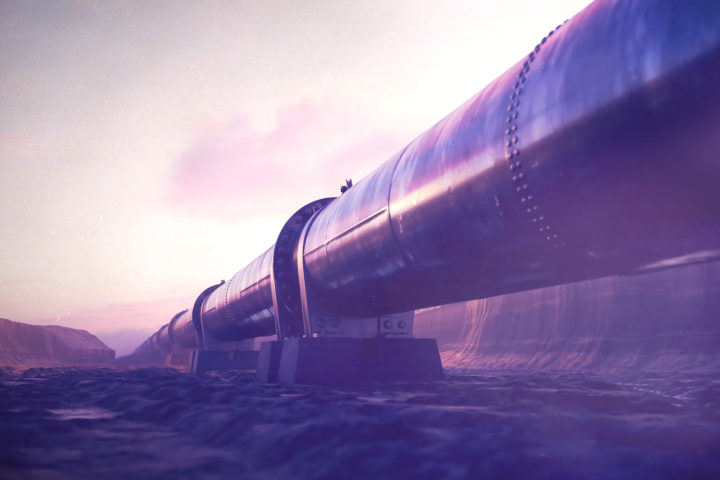 Rockets are expensive, so a number of kinetic launch startups are working on ways to simply yeet payloads into orbit and bring costs down. This one's very fun – a six-mile-long concrete cannon that'll squeeze launch vehicles to Mach 30 in one second.
 -
 Astronomers using an array of 66 radio telescopes have discovered what may be the first example of a star with two exoplanets circling it that share the same orbit, something that was thought to be theoretically possible but never seen until now.
 -
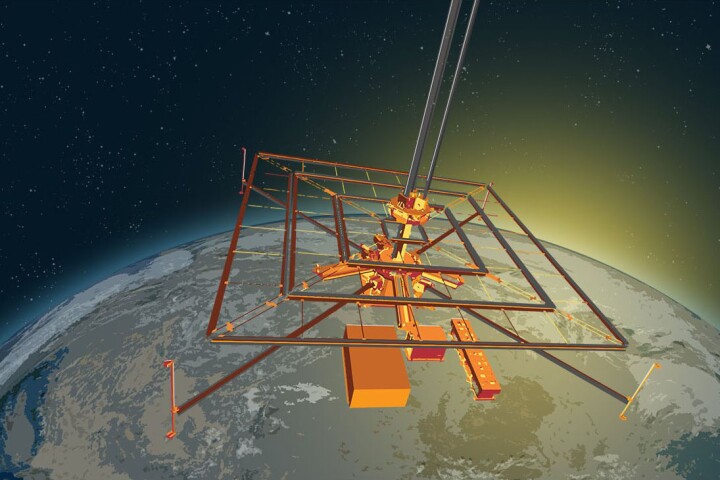 A Caltech team is celebrating the world's first space-based wireless power transmission, and the first time detectable levels of power have been beamed down to Earth. The Space Solar Power Project aims to unlock huge orbital clean energy resources.
 -
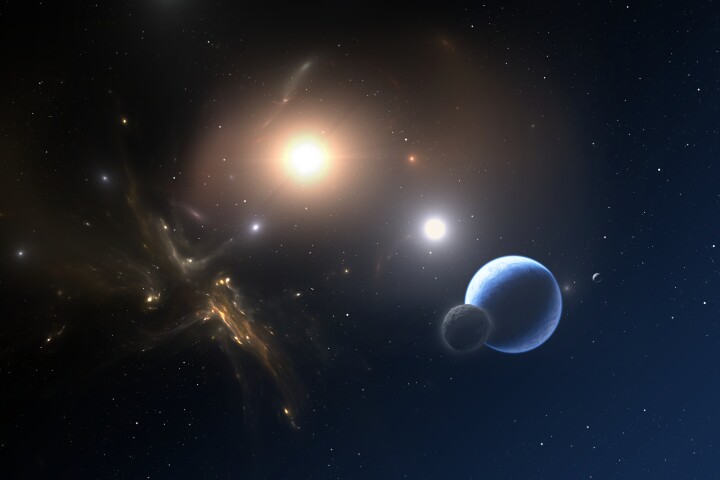 While two thirds of exoplanets may be a fiery, boiling wasteland, scientists believe the other third occupy a "just right" goldilocks orbit around their star, and this, much like Earth's orbit, could provide the right environmental support for life.
 -
 Ahead of the start of the Atlantic hurricane season next month, two storm-monitoring NASA CubeSats have successfully launched into space atop a Rocket Lab Electron booster from the Rocket Lab Launch Complex 1 on New Zealand’s Mahia Peninsula.
 -
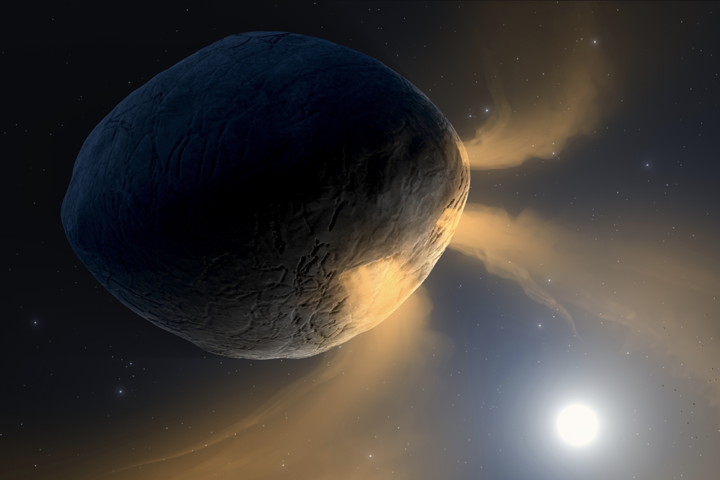 This space oddity has long puzzled scientists for its peculiar non-asteroid-like behaviors. Researchers have now uncovered another curious characteristic of 3200 Phaethon, this time with its dazzling tail, rewriting 14 years of science knowledge.
 -
 Texan startup Firefly Aerospace has joined the growing group of orbit-capable space startups, with the successful launch of its Alpha rocket over the weekend, which saw a set of satellites deployed into low-Earth orbit.
 -
 NASA took its first step today in establishing its Gateway orbital lunar outpost with the launch of its CAPSTONE CubeSat that will be used to test a new lunar orbit slated for the future space station.
Load More