
Obesity
-
 It may not be to everyone's taste, but kombucha tea may be able to deliver the benefits of fasting, without the hardest part – the fasting. Its yeast and bacteria altered fat metabolism, without any other dietary changes, resulting in lower fat stores.
 -
 A change in shape to a particular structure of neurons was found to have a significant impact on obesity in rats. Researchers believe the finding will translate to humans and could help us fight our own middle-aged bulges one day.
 -
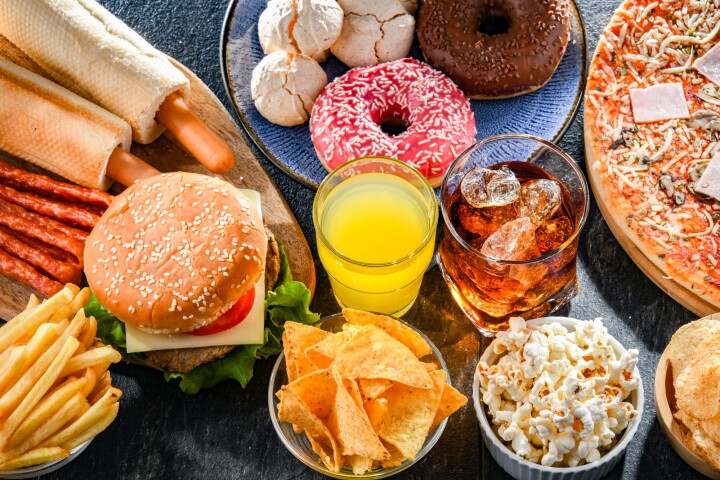 Ultra-processed foods like nuggets and pizza have long been in the firing line. But we can't ignore the stats any longer, with new research showing that junk food is served up with a heightened risk of more than 30 different mental and physical issues.
 -
 Next-gen anti-obesity drugs like injectable liraglutide, sold as Saxenda, deliver impressive results in the first 12 months. New research looks into what happens to those results once treatment stops.
 -
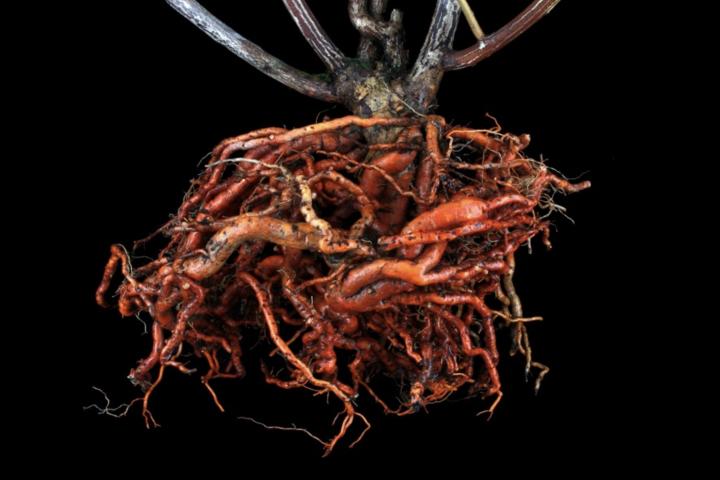 A plant known as the “Seven Steps of Death” holds within its poisonous growth a hotly touted anti-obesity compound, celastrol. For the first time, this compound has been genetically mapped and then synthesized safely, purely and quickly in a yeast host.
 -
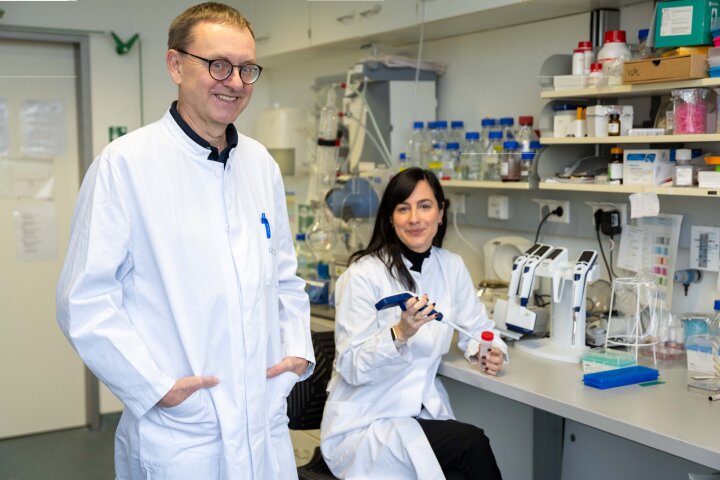 In a major breakthrough, scientists have identified a key protein involved in producing brown fat, and found it can even help form these cells in 'bad' white fat. This now opens the door to new weight-loss treatments that have long eluded researchers.
 -
 A study has found that people with obesity who underwent weight-loss surgery had stable cognition two years after, and their executive function improved. It's a positive finding, given the association between obesity and rapid cognitive decline.
 -
 Researchers have done a deep dive into five different low-carbohydrate diets to see which is better for long-term weight change. Their findings highlight the importance of diet quality when trying to maintain a healthy body weight.
 -
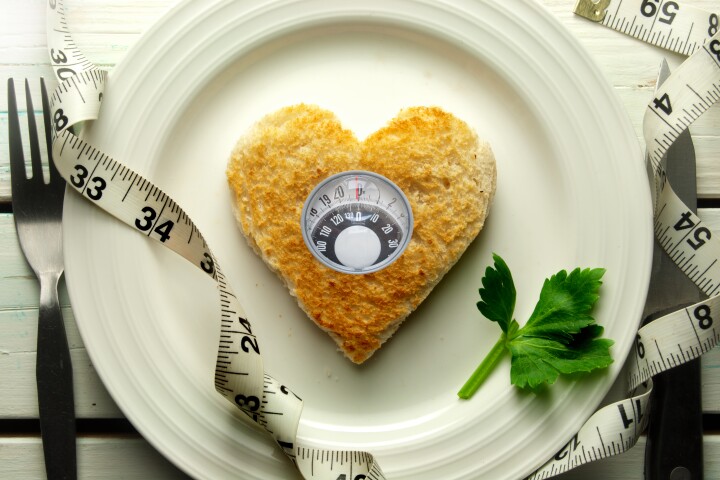 It was the year we ushered in a new age of weight-loss treatment: GLP-1 agonists. These drugs are here to stay – and more are expected in 2024. But there were many more discoveries in 2023, including key genetic ones, in the fight against obesity.
 -
 The stomach signals the brain to say when you’ve had enough to eat – although we ignore it at the holidays. MIT scientists have found a way to hijack that mechanism with a vibrating pill that can help reduce appetite and potentially treat obesity.
 -
 American adults are eating 400-500 calories – roughly the same energy intake as a recommended main meal – in snacks every day, and it comes with little nutritional value yet a whole lot of sugar.
 -
 Scientists fed fruit flies a diet to make them extra plump. In their old age, the researchers put them on a diet and found remarkable results. If the findings transfer to humans, it might mean we can improve our health at any age by cutting calories.
Load More