
Nutrition
-
 With an eye toward creating food for people with certain health conditions, scientists in Italy grew radish, pea, arugula, and Swiss chard plants, precisely controlling certain nutrients. And they did it without any soil.
 -
 In order to survive long trips to other planets, astronauts are going to have to eat more than just easily-stored TV dinners and ramen noodles. With that fact in mind, scientists recently created what they determined could be the ideal fresh-food meal for space travelers.
 -
 In 2023, researchers homed in on a variety of relatively small and simple lifestyle modifications that can positively impact human health. These are discoveries you can use right now to potentially boost your health, fight disease, and live longer.
 -
 New research shows that waiting too long in the day to have your first or last meal could have a negative impact on cardiovascular health. The study, which used data from 103,389 people, says that every hour counts when it comes to your mealtimes.
 -
 With nearly half the world's soil degraded, growing enough food to feed a global population is getting increasingly difficult and costly. Scientists believe they've got one solution, and it's already all around us: Arbuscular mycorrhizal fungi.
 -
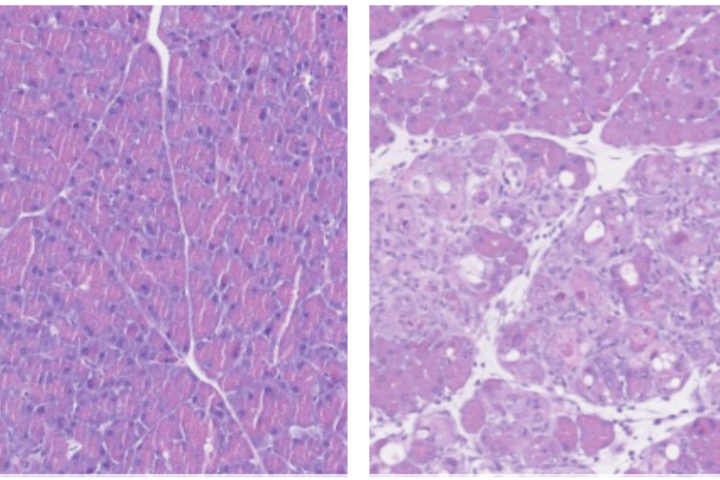 Vitamin B12 doesn't get much time in the spotlight, but as well as its role in red blood cell formation and DNA synthesis, scientists have now found that it is key to cellular reprogramming and tissue regeneration, as well as curtailing inflammation.
 -
 While statin drugs are good at controlling plaques in blood vessels, they can't eliminate them once they are established. But researchers may have just found a way to blast the circulatory system clean using a common nutrient found in many foods.
 -
 Researchers have tackled the ‘Are eggs good for us?’ debate in a new way. Adopting a broader approach than previous studies, they found that, overall, eating whole eggs improved the health of young adults.
 -
 A new report suggests that implementing medically tailored meals and produce prescriptions nationally in the US would not only improve health and be highly cost-effective but would also save healthcare costs by addressing diet-related chronic illness.
 -
 Let's face it: food that tastes delicious is usually bad for us. But new research shows that a simple preparation trick can dramatically slash fat, sodium and added sugars while making foods like brownies and meatloaf taste just as good.
 -
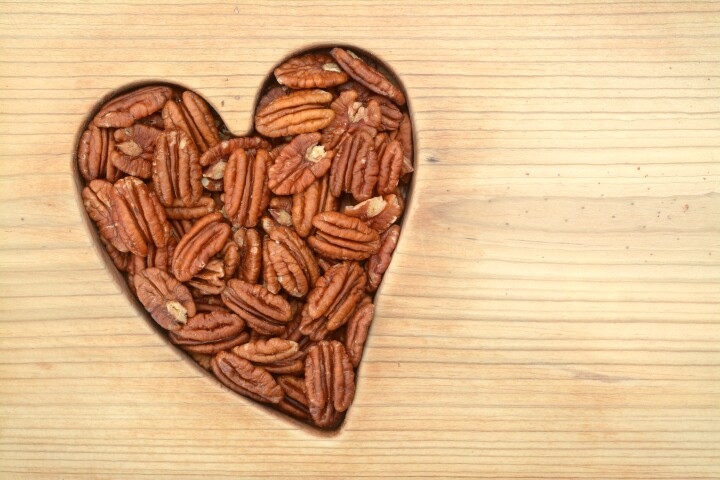 A case is being made for pecans to be given ‘superfood’ status, as scientists make a surprise discovery of new widespread health benefits, including the nut's ability to combat the ill effects of consuming a high-fat diet. Slice that pie up, stat.
 -
 Stanford scientists have discovered a new potential mechanism behind red meat's health hazards. The team found that cooking food at high heat damages its DNA, and that in turn could damage your own DNA, raising the risk of cancer and other issues.
Load More