
Nuclear
-
 Studying a species of microscopic worms exposed to high radiation from the 1986 Chernobyl disaster, researchers couldn’t find signs of genetic damage caused by the exposure. The findings are set to forge a path towards a better understanding of cancer.
 -
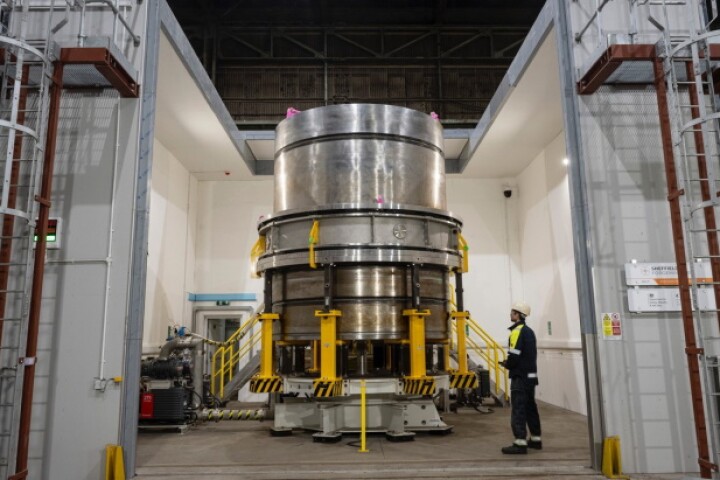 Small Modular Reactor (SMR) construction shifts into high gear, as UK company Sheffield Forgemasters welds a full-size nuclear reactor vessel in under 24 hours instead of the usual 12 months. The rollout of this game-changing tech could be massive.
 -
 Lawrence Livermore National Laboratory has published an extensive paper confirming the validity of its 2022 fusion experiment where multiple lasers focused on a sphere of deuterium and tritium to achieve the first fusion ignition in a laboratory.
 -
 Despite a 2024 so far marked with serious conflicts that threaten to escalate further, climate uncertainty and the rapid ascension of AI technologies, the famous Doomsday Clock has remained paused at 90 seconds to midnight, the same time as last year.
 -
 China's Betavolt New Energy Technology has unveiled a new modular nuclear battery that uses a combination of a nickel-63 (⁶³Ni) radioactive isotope and a 4th-generation diamond semiconductor and can power a device for 50 years.
 -
 The world needs gargantuan amounts of clean energy moving forward, making this an area of colossal and growing opportunity for disruptive innovations. Here are some of the fascinating energy ideas and technologies that made us most hopeful in 2023.
 -
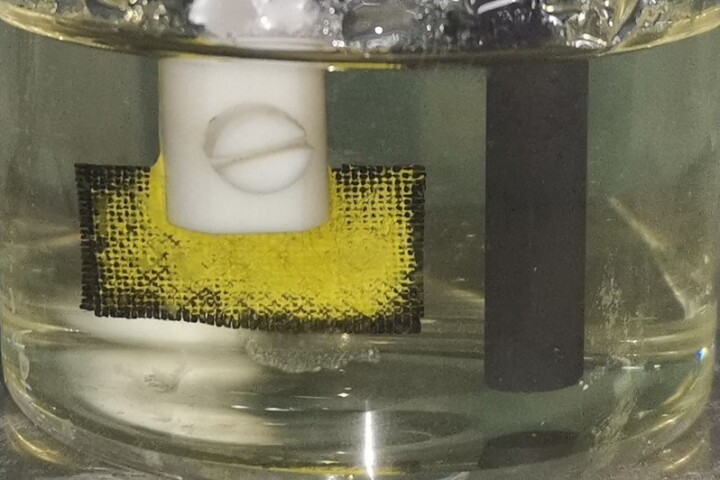 A team of scientists from China's Northeast Normal University has developed an electrochemical method for extracting uranium from ordinary seawater that has the potential to supply humanity with an effectively unlimited energy source.
 -
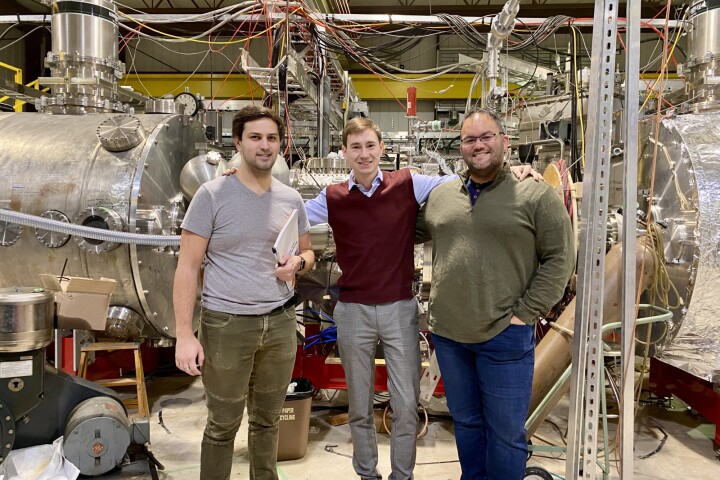 The insides of nuclear fusion reactors are violent and chaotic places. A new cold-spray coating can take the heat and also trap some rogue hydrogen particles at the same time, potentially making for smaller, better plasma chambers.
 -
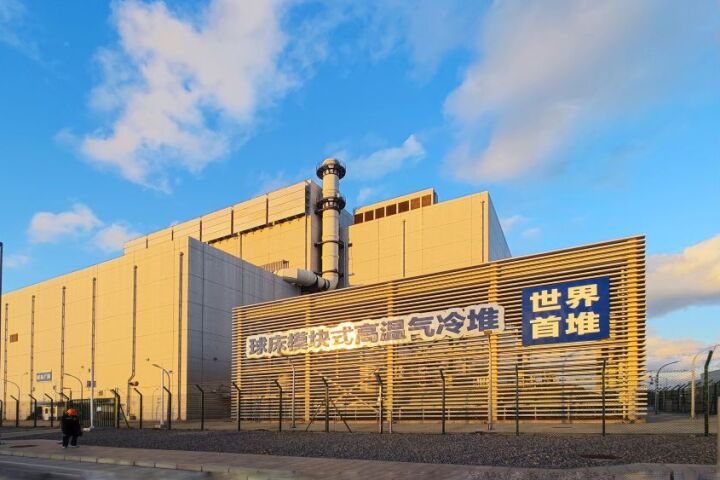 China claims to have brought the world's first Gen IV commercial nuclear reactor online. The Shidao Bay Nuclear Power Plant HTR-PM high-temperature gas-cooled pebble-bed reactor in Shidao Bay, Shandong Province, reportedly went into service this month.
 -
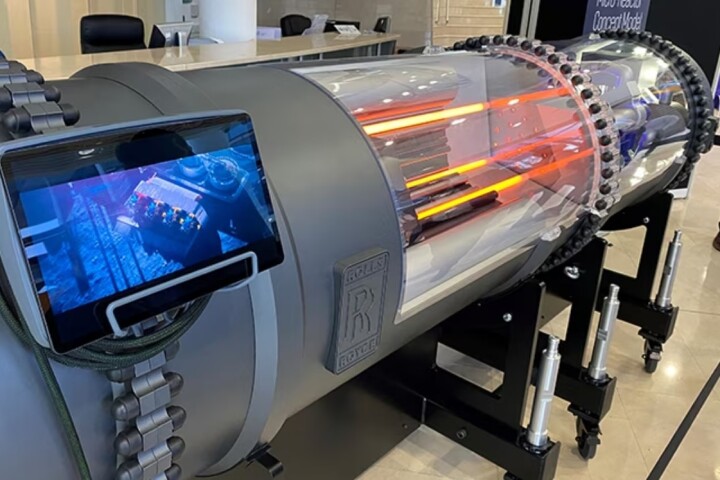 Rolls-Royce gave us a glimpse of the nuclear future of next-generation spacecraft and Moon bases when it unveiled a mock-up of its Space Micro-Reactor Concept Model at the UK Space Conference in Belfast, which ran between November 21 to 31, 2023.
 -
 Scientists have uncovered hints of a world of new elements beyond the periodic table. A new study has found that ancient stars may have been producing extremely heavy elements that remain unknown to science.
 -
 Under a US$33.7-million Air Force Research Laboratory (AFRL) contract, Lockheed Martin is developing a next-generation nuclear-reactor-powered spacecraft for the Joint Emergent Technology Supplying On-Orbit Nuclear (JETSON) High Power program.
Load More