
Nanoparticles
-
 Researchers have developed drug-loaded nanoparticles that target the cells that cause damaging inflammation following a spinal cord injury. The novel nanotherapy opens the door to new therapeutic possibilities for people with spinal injuries.
 -
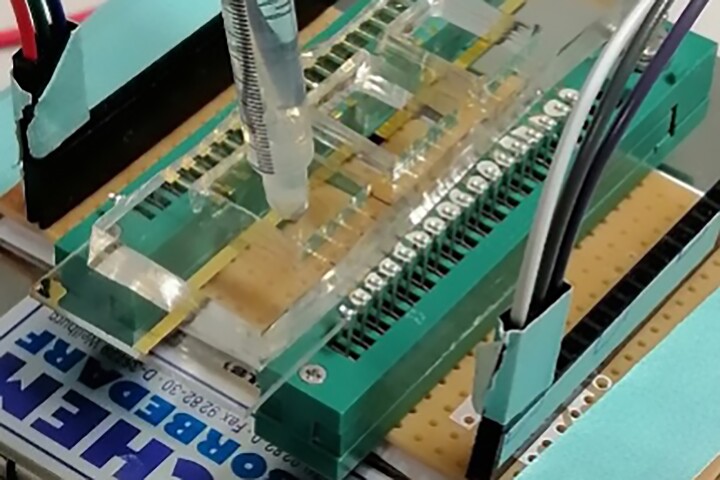 Researchers have used off-the-shelf components to create a sensor device that is not only cost-effective but can quickly detect 32 different pathogens and has sensitivities on par with the state-of-the-art biosensors used in pathology labs.
 -
 As recent history proves, airborne respiratory infections are not to be trifled with. Now, a new sprayable coating applied to standard air filters might give us a leg up in the war against the pathogens that cause these diseases.
 -
 Researchers have created a nanotherapy that selectively targets and shuts down the immune cells responsible for causing an allergic response in mice, preventing anaphylaxis. It could be the first nanomedicine to prevent allergic reactions.
 -
 In what will soon be commonplace in drug research, scientists have used an artificial-intelligence algorithmic program to identify a compound, currently used in antimalarial treatment, that can effectively reverse the bone deterioration of osteoporosis.
 -
 Researchers have turned lignin into nanoparticles that can create a transparent coating with antifog properties or a colorful antireflective surface, transforming this abundant waste product into a useful material with diverse applications.
 -
 Plant parasitic nematodes are microscopic soil-dwelling creatures that damage crops by feeding on their roots. Scientists have now developed a greener and more efficient means of eradicating them, using a modified plant virus.
 -
 For the estimated 800 million people worldwide with acne, a successful new treatment would have a profound impact on quality of life. Scientists hope their new treatment method, using a drug that's unique in human medicine, will be the 'magic bullet.'
 -
 Dynabeads are microscopic magnetic spheres which scientists use to isolate certain types of cells and proteins. Now, MIT researchers are developing a method of using the beads to quickly spot pathogens in drinking water or blood samples.
 -
 Estrogen can harm aquatic plants and animals when passed into waterways via human and agricultural waste streams. Researchers have now developed a new way of removing the hormone from water, however, using what's known as "smart rust."
 -
 Researchers have successfully stimulated hair growth in mice using microRNA to genetically manipulate the hair follicle’s stem cells, meaning that balding pate may one day be sporting a mane of luscious locks.
 -
 While many goods simply have to be kept frozen until use, some – such as certain vaccines – will break down even if they get warmed but remain frozen. An inexpensive new technology could alert people to the fact that this has happened.
Load More