
Nanomedicine
-
 A gel of tiny keratin spheres has been found to promote hair follicle growth. Given that our bodies naturally produce keratin, the research highlights the potential application of using keratin microspheres as a safe and effective hair-growth treatment.
 -
 Researchers have developed drug-loaded nanoparticles that target the cells that cause damaging inflammation following a spinal cord injury. The novel nanotherapy opens the door to new therapeutic possibilities for people with spinal injuries.
 -
 Researchers have created a nanotherapy that selectively targets and shuts down the immune cells responsible for causing an allergic response in mice, preventing anaphylaxis. It could be the first nanomedicine to prevent allergic reactions.
 -
 Researchers developed self-propelled nanobots powered by a waste substance in urine that penetrate bladder tumors. After one dose, tumors in mouse models shrank by almost 90%, opening the door to a promising alternative cancer treatment.
 -
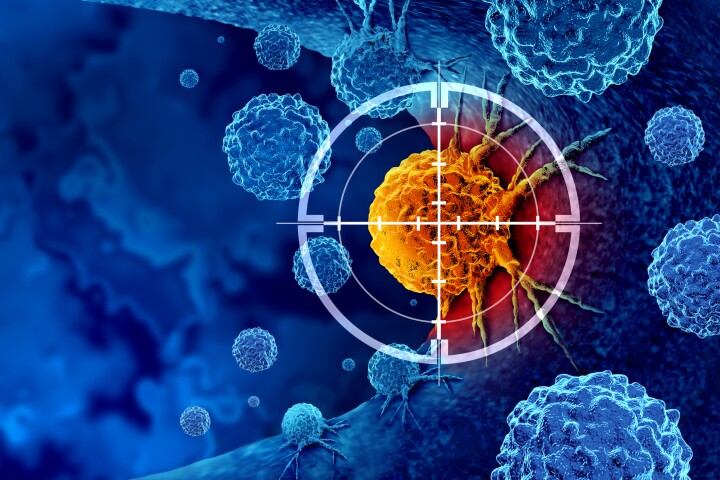 Researchers have harnessed the cancer-destroying abilities of the body’s natural killer cells. Nanodrones selectively target a tumor, enabling the killer cells suppress cancer growth, opening the door to novel, cancer-specific immunotherapies.
 -
 Conventional tests for Alzheimer’s disease don't provide information about what stage it's at. Now, viewing pathological protein clumps with atomic-force microscopy may help doctors not just detect the disease but determine how far it has progressed.
 -
 Researchers tricked glioblastoma cancer cells in mice into taking up iron-filled carbon nanotubes. They then shredded those cells by spinning the tubes using magnetic force. The technique has the researchers hopeful for a similar result in humans.
 -
 Australian scientists have designed a new capsule that could mean diabetics might one day swallow their insulin instead of injecting it. The design also has potential uses in delivering other protein drugs, such as antibiotics and cancer treatments.
 -
 A new study has demonstrated how nanoparticles can be used as a type of mechanical drug inside cells to impair function and cause their demise, which could be used to target cancer while leaving healthy cells unharmed.
 -
 In future, microscopic robots could help heal us. While some of these have been capable of manipulating individual cells, researchers at the University of Toronto have developed a new way to get nanobots inside cells, and precisely control them once they’re in there.
 -
 ScienceMostly known for its lustrous fleece and predilection for vigorous spitting, the humble alpaca may soon be more famous for its novel immune system. A study has discovered that the animals produce a unique nanobody that could be recruited into a new treatment for cancer.
 -
 When a clot blocks a blood vessel in the heart, a heart attack is the unfortunate result. Frequently, surgery is required in order to remove that clot. Thanks to an experimental new drug-delivery system, however, that approach may become increasingly unnecessary.
Load More