
Muscle
-
 Researchers have tracked muscle contractions in a bird's vocal tract, and reconstructed the song it was silently singing in its sleep. The resulting audio is a very specific call, allowing the team to figure out what the bird's dream was about.
 -
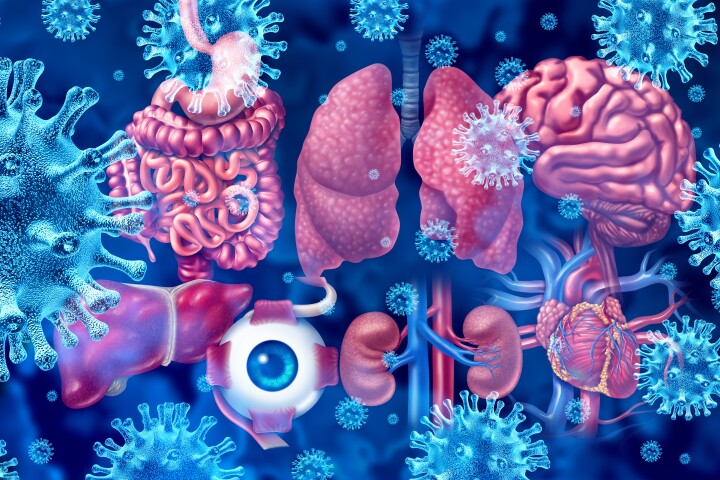 Exercise is usually a good thing but for many long COVID patients it can often make their condition worse. Two new studies are shedding light on this counter-intuitive phenomenon, finding distinct physiological abnormalities in long COVID patients.
 -
 The race is on in the search for a way to effectively extend both our lifespan and healthspan. One team of scientists is confident its mitochondria-targeted drug-like molecule has the potential to deliver on these two crucial areas of human longevity.
 -
 More than 40 million Americans carry this feline-host bug. Now, a new study has linked our immune response to the infection with accelerated physical and cognitive decline. Fortunately, you don't have to throw the cat out with the cat litter just yet.
 -
 Researchers have created a magnet-containing 'workout mat' that simulates the mechanical forces exerted on muscle cells during exercise. It may assist in testing treatments for people with muscle injuries and neuromuscular diseases.
 -
 Using paired smartphones, motion-capture app OpenCap films video and then uses AI to analyse human movement, providing detailed data for use in rehabilitation, presurgery plans and disease diagnostics – and is 1% of the cost of traditional technology.
 -
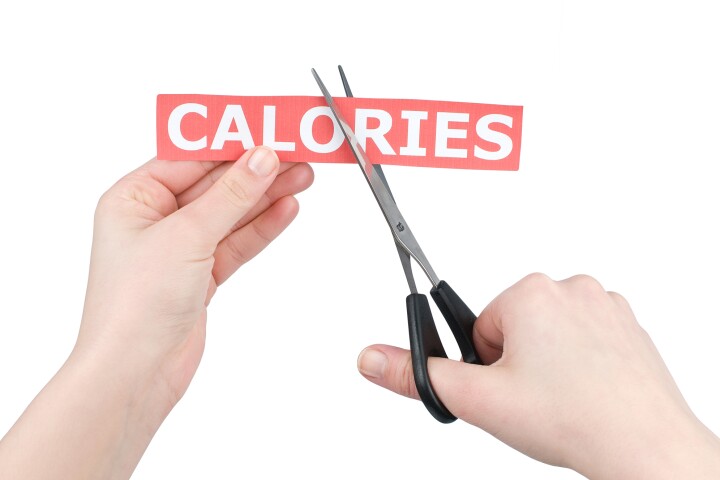 A new study has investigated the biological mechanisms brought about by calorie restriction and found that a moderate reduction in calorie intake can improve muscle health and activate biological pathways important for good health.
 -
 Currently, almost all powered prosthetic hands utilize electrodes that detect the user's muscle impulses and convert them into hand movements. A new system which is in development, however, should reportedly work better by utilizing ultrasound.
 -
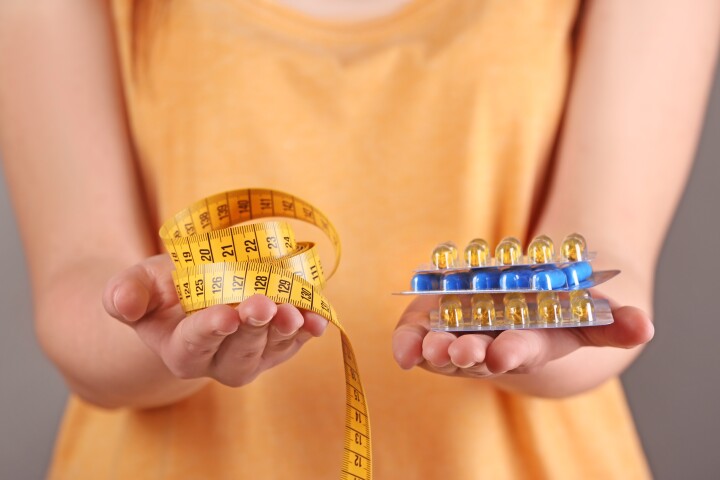 As a new age of weight-loss therapeutics dawns, scientists are one step closer to a drug that can coax muscles into behaving as if they’ve just been put through a workout. The benefits range from weight loss to treating diabetes and heart conditions.
 -
 Scientists at Daegu Gyeongbuk Institute of Science & Technology (DGIST) in South Korea have developed a novel bioelectric therapy that restored muscle cells in aging mice, and they’re confident of its promise to have a similar effect in human models.
 -
 Researchers have identified a protein critical to the development of skeletal muscle mass and strength. They say their findings may lead to treatments for the muscle wasting that can occur in disease and as a result of aging.
 -
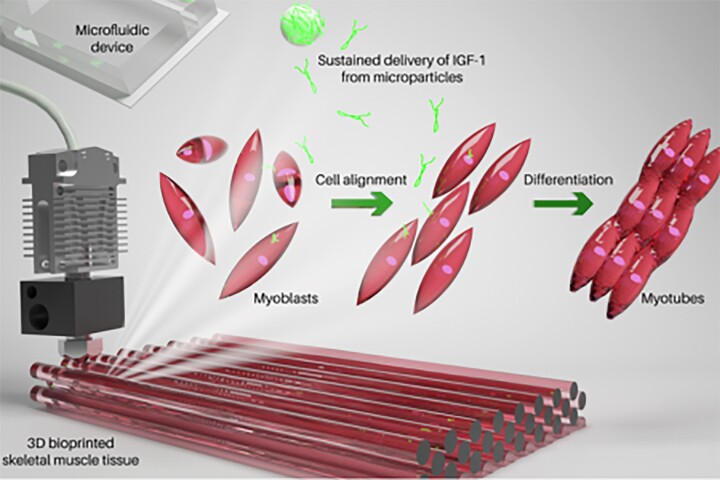 Researchers have developed a novel bioink that uses a sustained-release hormone to promote the growth and regeneration of 3D-printed muscle tissues, opening the door to new therapies to help people who’ve suffered muscle loss or damage.
Load More