
Mosquito
-
 If you're trying to disperse 300,000 disease-fighting mosquitos per day, using a drone may well be your best bet for doing so. The technology has already been tested in Brazil, where it showed very promising results.
 -
 After confounding scientists for more than 80 years, researchers have finally discovered how the flesh-eating Buruli ulcer is transmitted: mosquitoes. The discovery means practical measures can now be taken to restrict the spread of the disease.
 -
 Researchers have chanced upon a bacteria naturally present in the gut of mosquitoes that inhibits the growth of a malaria-causing parasite. Unlikely to produce resistance, it could be used to complement existing malaria eradication strategies.
 -
 Researchers have identified the molecular pathway that allows male mosquitoes to hear females, which is crucial to their reproduction. It could lead to insecticides that exploit this pathway to control mosquito populations and reduce disease transmission.
 -
 While insecticide-treated bed nets do help protect against malaria-carrying mosquitos, the chemicals are becoming less effective as the insects develop a resistance to them. It now appears that microwaving one such insecticide makes it "good" again.
 -
 Mosquitos are most active at night, which is when campers need light and are most likely to be charging gadgets. The Evo Repel was designed with these facts in mind, as it combines a mosquito repeller, flashlight and power bank in one device.
 -
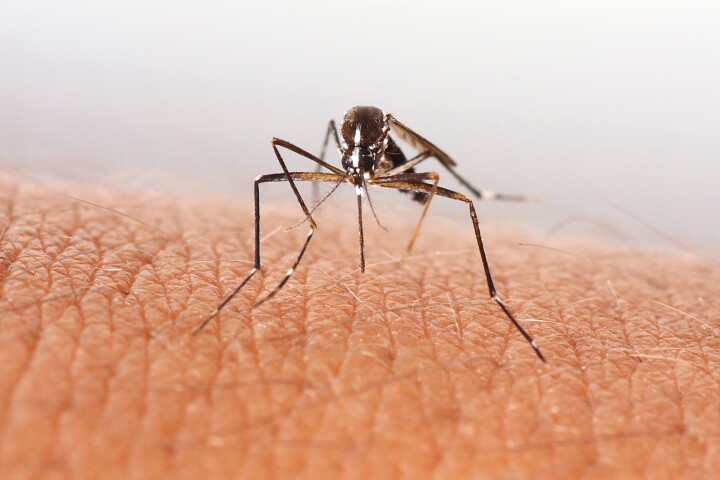 Researchers have developed a surfactant spray that safely and effectively kills mosquitoes without using insecticides. The spray could be used to protect people from the spread of mosquito-borne diseases.
 -
 They're the deadliest animals on Earth, spreading diseases such as malaria, chikungunya and yellow fever and causing more than 350 million illnesses in humans each year. Our latest weapon in the war on mosquitoes could be a cheap, abundant biomaterial.
 -
 Environmental modification has a flow-on effect on natural ecosystems, including the insects that carry disease. For the first time, researchers have shown how environmental change affects the transmission of insect-borne diseases.
 -
 For studies on insect-borne diseases, many a human has sacrificed an arm in a tank full of mosquitos. Now, a new artificial skin filled with real blood might spare humans the itchy bites, while providing a greater insight into mosquito behavior.
 -
 Thermacell has once again grown its lineup of mosquito repellers, fitting a radiant light to its E55 battery-powered repeller to create the all-new EL55. The new model creates a 20-foot mosquito-free zone while adding some ambient light to the table.
 -
 Mosquito repellent is a key weapon to keep those biting bugs at bay, but it can be frustratingly fickle. Now researchers in Italy have developed new formulations that they say can last as long as eight hours, are odorless and boast other advantages.
Load More