
Mice
-
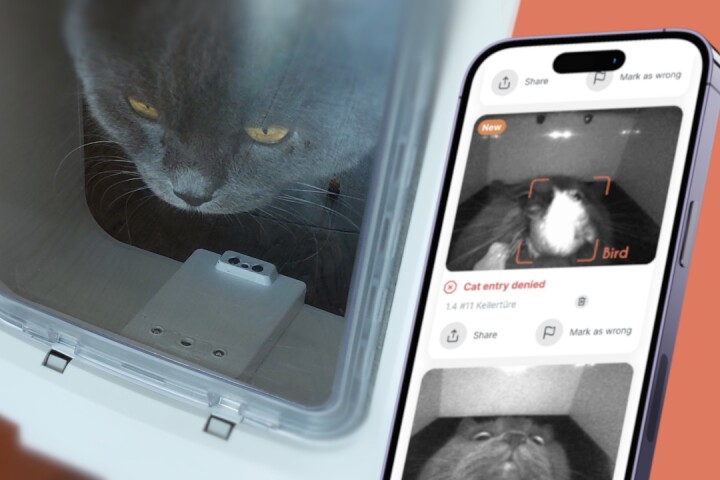 RFID cat flaps are great for keeping animals from wandering into your house, but they don't stop your cat from bringing dead animals into said dwelling. The ZeroMouse was designed to address that shortcoming, by blocking access to cats carrying prey.
 -
 Normally, staying up for extended time periods leads to the need for extra sleep. But researchers have just found that activating astrocyte cells in mice caused the rodents to stay awake for six hours longer than usual, with no noticeable sleep debt.
 -
 In a glimpse of what could become a future Black Mirror episode, scientists have hooked the circulatory systems of old mice to young mice, and found that it slows the aging process in the older animals and increases their lifespan by up to 10%.
 -
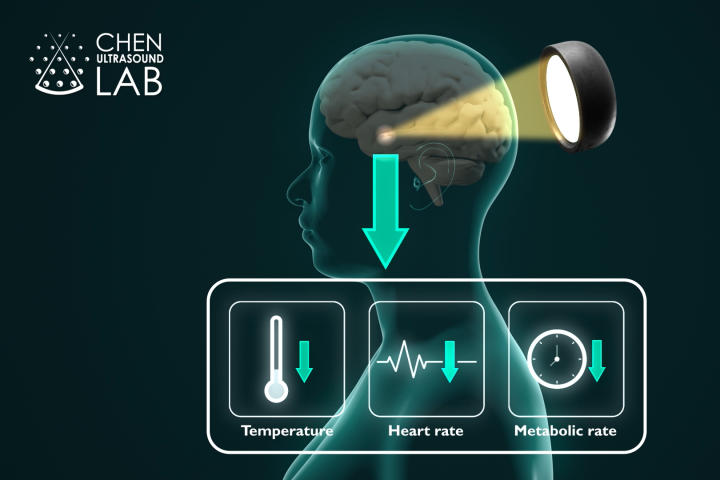 We’re getting closer to being able to induce hibernation on demand in humans for surgery or space travel. Scientists have now demonstrated a way to induce a hibernation-like state in mice and rats using non-invasive ultrasound pulses to the brain.
 -
 By digging up and eating sown wheat seeds, mice can have a huge impact on farmers' crops. In an eco-friendly effort to stop the rodents from doing so, scientists are now using wheat germ oil to make entire fields smell appetizing.
 -
 Small cell lung cancer (SCLC) is one of the deadliest forms of the disease, but now scientists may have a promising new avenue for treatment. By combining a new drug with an outdated one, the team found that they could halt growth of tumors in mice.
 -
 Japanese scientists have successfully cloned mice from freeze-dried adult cells, which can be stored easily for long periods of time. The cloned mice were later able to have their own offspring, potentially aiding conservation of endangered species.
 -
 Scientists have used the CRISPR gene-editing system to produce litters of mice that are 100 percent either male or female. The technique could help prevent the unnecessary culling of animals of unwanted sex in agriculture or scientific experiments.
 -
 The results of an interesting experiment in which muscled-up mice were sent into space has shed some new light on how the low-gravity environment impacts physiology, with the rodents retaining muscle mass when engineered to lack a certain protein.
 -
 A study is offering new evidence of a link between ALS and the gut microbiome. One researcher described the discovery as “remarkable”, finding genetically identical mice displayed different health outcomes determined by their gut microbiome.
 -
 An examination of the tissues of rodents that orbited the Earth in a Russian spacecraft revealed that the reduced load on their joints caused the breakdown of cartilage and signs of arthritis-like degradation.
 -
 ScienceIf you want to study a mouse's behaviour, then perhaps it isn't best to grab it and put it in a setting where it has to perform a certain task. That's the thinking behind Autonomouse, a cage that's designed to make life easier for lab mice, and to produce better results in behavioural studies.
Load More