
Methane
-
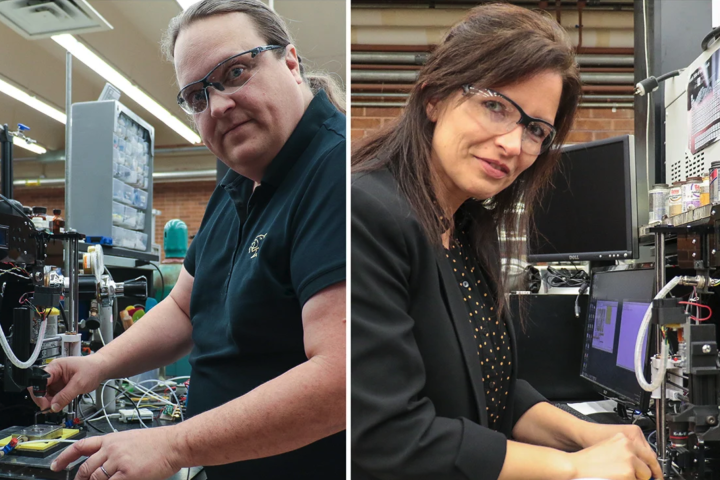 Methane has a greenhouse effect 80 times worse than carbon dioxide over a 20-year period, and emissions are skyrocketing even as we start reducing CO2. That makes UCF's new hydrocarbon-capturing, sunlight-powered catalyst a very compelling idea.
 -
 Move over, cow burps. A team of scientists has shifted gears from the front to the back end of these methane-production powerhouses, using algae to curb gas emanating from their poop. It's a crap gig, but nature's best methane inhibitor is on the job.
 -
 China has stolen a march on the rest of the world by successfully launching the first space rocket powered by liquid methane and oxygen. The Suzaku-2 Yao booster successfully lifted off from the Jiuquan Satellite Launch Center in China on July 12.
 -
 Aquaponics operations combine aquaculture and hydroponics, with nutrient-rich water from the former being used to fertilize plants in the latter. Soon, such systems could also be powered by methane biogas derived from their own fish feces.
 -
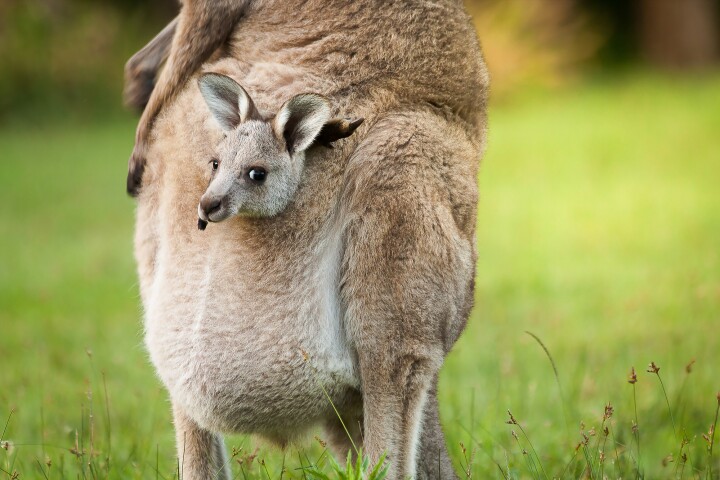 Make all the jokes you want, but the methane emitted in the form of cow burps and farts is actually a major source of greenhouse gas emissions. That could soon change, however, thanks to bacteria found in baby kangaroo feces.
 -
 New Holland Agriculture has announced a new tractor designed to run on fuel created on-site using cow manure. The T7 Methane Power LNG offers the same power and torque as a diesel tractor, but it's part of a system that can greatly reduce emissions.
 -
 Humans might not be the first lifeforms to face self-induced climate change. A new model suggests Mars was once habitable enough to support microbes, and they may have wiped themselves out by causing irreparable damage to the Red Planet’s atmosphere.
 -
 The global oil industry wastefully burns off about as much natural gas as is used by all of Central and South America – but a new methane binding agent offers a potential way for this greenhouse gas to be converted economically into liquid fuels.
 -
 Scientists have developed an efficient new way to convert methane into methanol at room temperature. The technique could help reduce greenhouse gas emissions and provide a cleaner way to make key products.
 -
 Carbon dioxide may hog headlines as a climate change villain, but methane is a far more potent greenhouse gas. MIT has now demonstrated a new way to remove methane from the air, even at low concentrations, with a common clay used to make cat litter.
 -
 New Stanford-led research has painted a picture of how focusing efforts on methane removal could help limit dangerous temperature rise from climate change, while also preventing tens of thousands of premature deaths relating to poor air quality.
 -
 Blue hydrogen isn't a step forward for the climate, says a new report out of Cornell and Stanford Universities. Indeed, it's worse than simply burning gas or coal in many applications – so it's not an acceptable transition phase in the race to zero.
Load More