
Materials
-
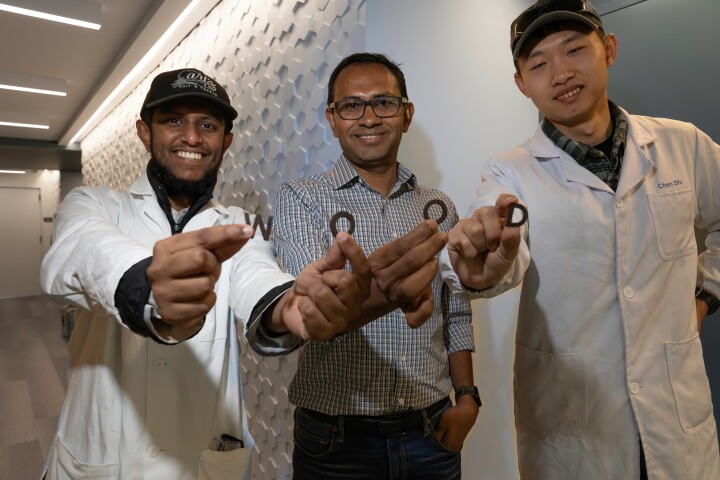 Scientists have developed a new "ink" that allows objects to be 3D-printed out of wood. The material could reduce the amount of wood that gets wasted in the manufacturing of various products, plus it could utilize existing wood waste.
 -
 In many cases nature has better versions of our tech. The newest example comes from a common insect in your backyard, which makes nanoscale soccer balls that hide it from predators – inspiring new, better UV protection and maybe even cloaking tech.
 -
 Time crystals are a strange state of matter with properties that sound impossible, but they have been created. Now, German scientists have made one that lasts 10 million times longer than in previous experiments.
 -
 A new type of 3D-printed lattice structure has surprised researchers with its strength and light weight. It uses two different lattice structures merged together to eliminate the weak points normally found in these complex shapes.
 -
 A new pacemaker is thinner than a human hair, wireless and operated entirely by light from an optic fiber. The non-invasive device could help regulate heart activity or even stimulate neurons in a set pattern to treat conditions like Parkinson’s.
 -
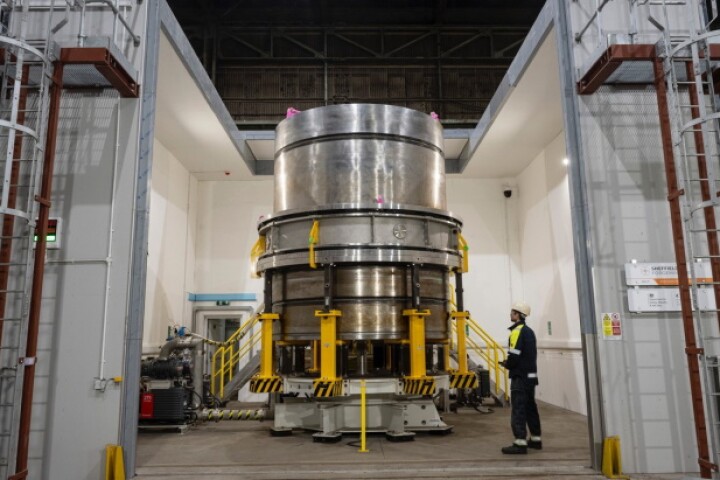 Small Modular Reactor (SMR) construction shifts into high gear, as UK company Sheffield Forgemasters welds a full-size nuclear reactor vessel in under 24 hours instead of the usual 12 months. The rollout of this game-changing tech could be massive.
 -
 Solar cell efficiency may get a bump from bumps. New research suggests that building tiny domes into the surface of organic solar cells could boost their efficiency by up to two-thirds, while capturing light from a wider angle.
 -
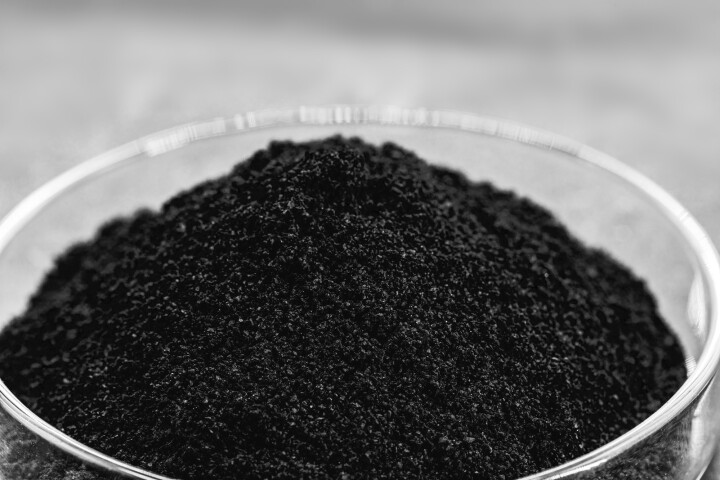 It slices, it dices, it's super strong and conductive, and now an ultra-pure form of ‘wonder material’ graphene has been inhaled during a human trial without affecting lung or cardiovascular function, opening the door to a novel drug delivery mode.
 -
 February 11 marks International Day of Women and Girls in Science. The day celebrates both the work of women across vast scientific disciplines, but also recognizes ongoing gender-based challenges. Here, we pay tribute to 11 stars of STEM today.
 -
 After sugarcane crops have been harvested, a great deal of waste known as bagasse is left over. That substance has been incorporated into an eco-friendly building material called Sugarcrete, which recently won an international Climate Positive Award.
 -
 Spider silk is known to be one of nature's strongest and toughest materials. If everything works out, an alfalfa-produced synthetic version of the stuff will be used in the construction of the Velozzi Hypercar … only 100 of which will be made.
 -
 With 2023 drawing to a close, it's once again time to look at the significant, intriguing, and sometimes just plain daft science stories of the year. So, let's dive in and see what the science types have been up to.
Load More