
Light
-
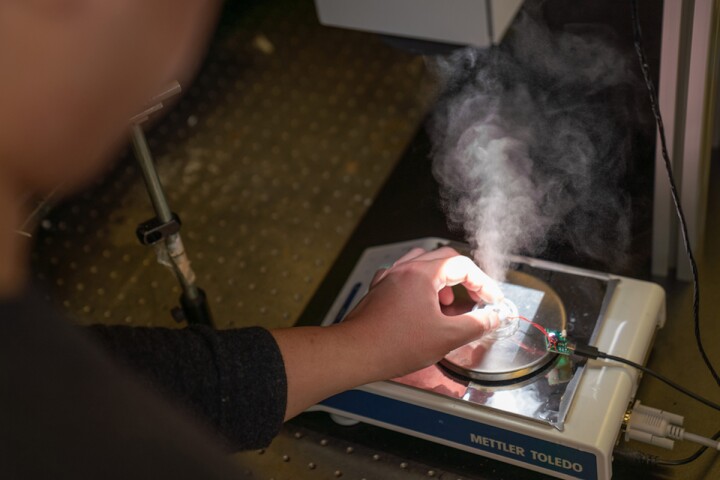 We all know that water evaporates when the temperature climbs, but researchers have just shown that there's another factor at play. The breakthrough could solve long-standing atmospheric mysteries and lead to future technological advances.
 -
 Researchers have developed a transparent window coating that lets in visible light but blocks heat-producing UV and infrared, not only reducing room temperature but also cutting energy consumption related to cooling the space.
 -
 Engineers at INRS Énergie Matériaux Télécommunications Research Centre in Canada have developed the world’s fastest camera, which can shoot at an astonishing 156.3 trillion frames per second.
 -
 In many cases nature has better versions of our tech. The newest example comes from a common insect in your backyard, which makes nanoscale soccer balls that hide it from predators – inspiring new, better UV protection and maybe even cloaking tech.
 -
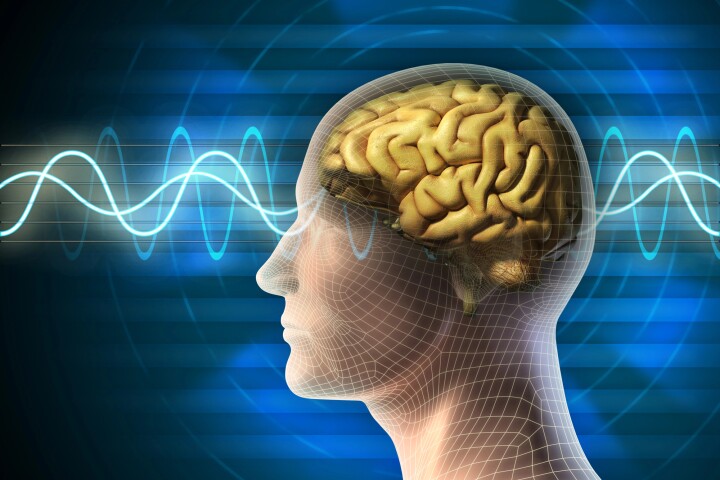 If someone you know has gone through chemotherapy, you might be familiar with the side effect 'chemo brain.' Scientists have now demonstrated a simple way to protect brain cells from damage using flashing lights and sounds at a certain frequency.
 -
 NASA has officially selected a new mission – the Ultraviolet Explorer, or UVEX. By scanning the skies in UV light, it will be able to study the hottest objects and fleeting events like supernovae, and create a detailed new map of the cosmos.
 -
 It’s a question we’ve all wondered at some point: why do insects spend their evenings swarming around artificial lights? Scientists have now come up with an answer using high-speed cameras and motion capture tech to map out their flight paths in 3D.
 -
 Scientists have given yeast a brand new ability – gaining energy from light. The technique was remarkably easy, the team says, and could not only help us understand evolution but make better beer and biofuel.
 -
 Researchers have designed and tested ‘human-centric’ LEDs that emit different wavelengths of blue light depending on whether it’s daytime or nighttime, reducing the disruptive effect artificial light has on our biological clock.
 -
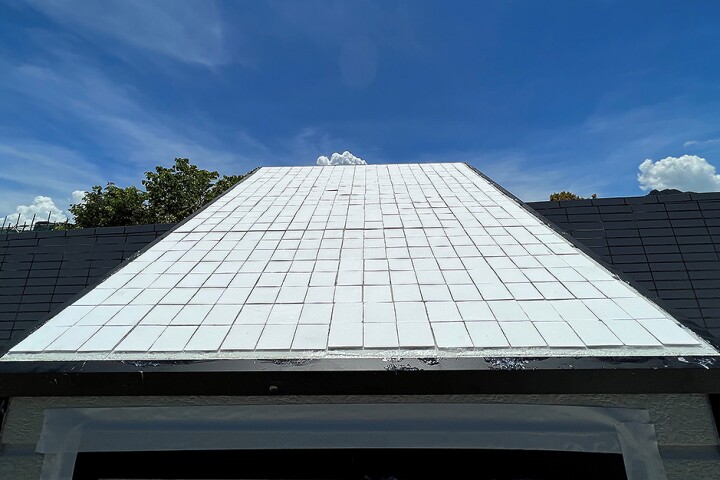 Scientists have demonstrated a new ultra-white ceramic material that drastically cools buildings, with record-high sunlight and heat reflectivity. The beetle-inspired material gets its ability from its nanostructure and should be easy to mass produce.
 -
 Contrary to elementary school science class, it turns out that heat may not be necessary to make water evaporate. Scientists at MIT have made the surprising discovery that light alone can evaporate water, and is even more efficient at it than heat.
 -
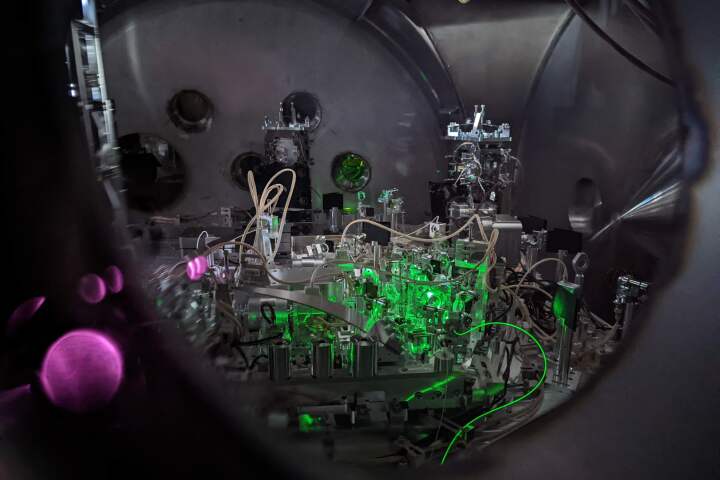 Gravitational wave facilities measure spacetime distortions down to 10 quadrillionths of a hair – small enough for interference from particles popping in and out of existence. Now LIGO has pushed beyond this quantum limit by “squeezing” laser light.
Load More