
Insect
-
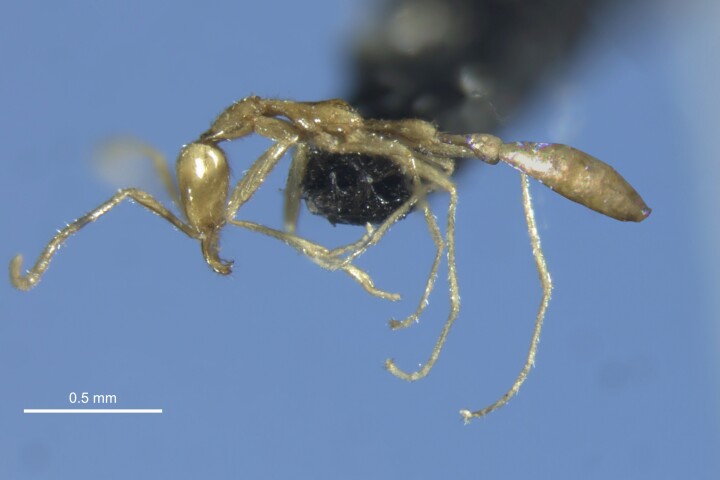 A new ant has been named after the creepiest of all Harry Potter villains, Lord Voldemort. Like the lord, the ant is pale, slender and lives in the dark – unlike Mr. Voldemort, however, the ant did not give Harry his lightning-bolt forehead scar.
 -
 Would you want to eat this beetle? Probably not, as it appears to be covered in fungus. That "fungus" is actually hair, however, which the recently discovered insect may use to put off would-be predators.
 -
 In many cases nature has better versions of our tech. The newest example comes from a common insect in your backyard, which makes nanoscale soccer balls that hide it from predators – inspiring new, better UV protection and maybe even cloaking tech.
 -
 It’s a question we’ve all wondered at some point: why do insects spend their evenings swarming around artificial lights? Scientists have now come up with an answer using high-speed cameras and motion capture tech to map out their flight paths in 3D.
 -
 Scientists have long puzzled over why some dinosaurs had feathers and wings long before they evolved the ability of flight. Experiments with a robot dinosaur may now have revealed the answer – they used them for hunting.
 -
 Pseudoscorpions have been seen hitching a ride on a true scorpion, and it’s the first time this interspecific rideshare has been observed. While they have eight legs of their own, these tiny insects prefer to sit back and relax on their road trips.
 -
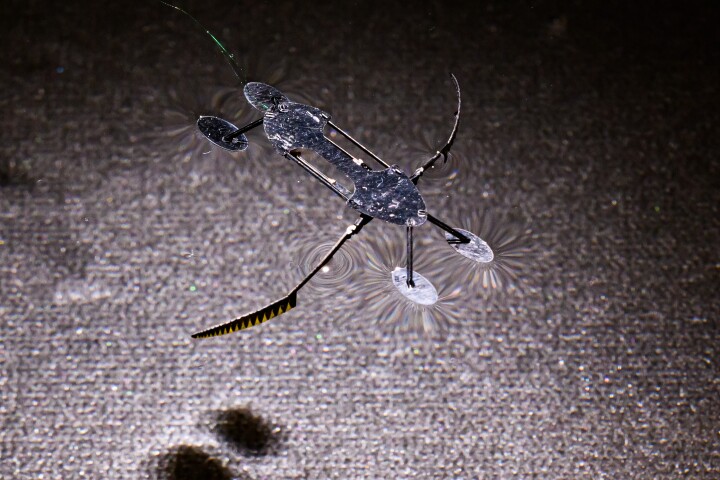 Water striders are fascinating to watch, as they scoot across the water while supported by surface tension. Scientists have now built a tiny robotic version of the insect, which utilizes a record-breaking actuator to get a move on.
 -
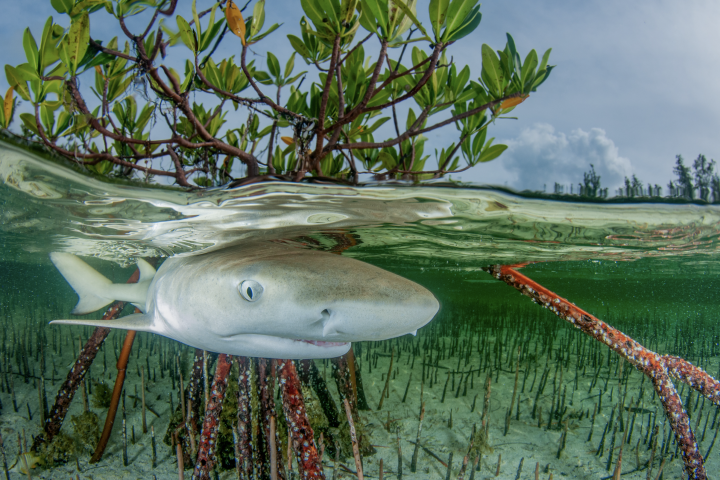 Every year, countless stunning images are submitted to photography competitions around the world. From cosmic structures to microscopic marvels and everything in between, here is a snapshot of the most awe-inspiring photographs of 2023.
 -
 As Australian as kangaroos, the Christmas beetle holds a special place in hearts Down Under. But December sightings of these majestic creatures have become as rare as seeing Santa. Scientists are now asking the nation to help them find out what's going on.
 -
 Genitalia in the animal kingdom is rarely dull, from penis 'sword' fighting flatworms, to echidnas with four-headed phalluses. Let us introduce a new odd member contender: a beetle with an appendage that looks like you could crack open a beer with it.
 -
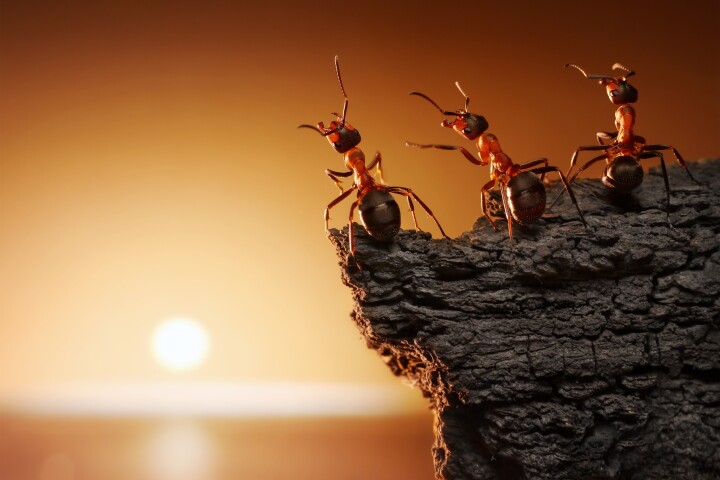 Hijacking the body of another animal is nothing new in the opportunistic world of parasitism. But for the first time, scientists have observed how one crafty flatworm can switch ‘zombie mode’ on and off, leaving its host ant stuck between life and death.
 -
 One of the most commonly suggested uses for tiny robots is the search for trapped survivors in disaster site rubble. The CLARI robot could be particularly good at doing so, as it can make itself skinnier to squeeze through tight horizontal gaps.
Load More