
Implant
-
 Although you may know when you need to pee, such is not the case with everyone. A new implantable sensor is designed to help those other folks, by sending a smartphone alert when their bladder is full.
 -
 A mussel protein could one day keep infections from occurring at the site of bone implants such as artificial hips. And while the protein does kill the microbes, it should still limit the development of antibiotic-resistant "superbacteria."
 -
 If someone is already suffering from heart failure, they certainly shouldn't have to deal with a serious infection on top of that. A new type of electrical wire, designed for powering implanted heart pumps, could help keep that from happening.
 -
 Diabetes was the focus of much research in 2023, resulting in a few ‘world-firsts’. From trialing a diabetes-slowing tablet to using plant extracts and creepy crawlies to lower blood sugars, here are the top diabetes stories of the past year.
 -
 Observing a pen full of salmon at a fish farm will only tell you so much about their well-being. That's why Norwegian scientists have developed an implant that measures and records the vital signs of individual fish, who will serve as "sentinels."
 -
 In order to keep surgeries minimally invasive, it would be great if implants could be injected into the body in liquid form, then solidified once in place. Well, a new ultrasound-based 3D printing process may one day make that very thing possible.
 -
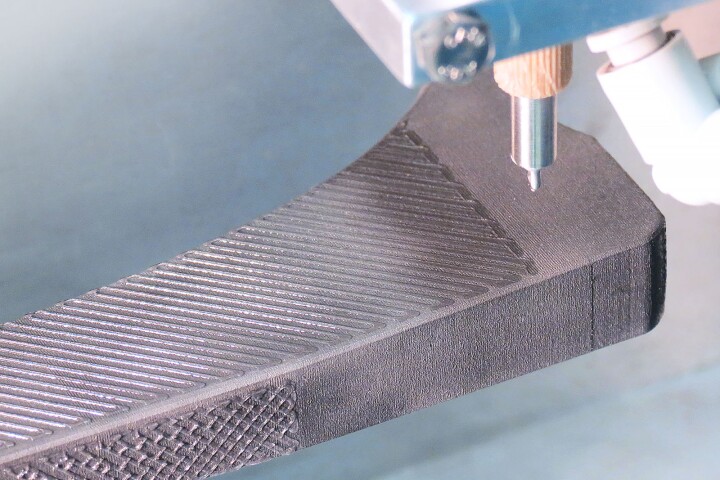 If you've ever tried pulling a mussel off a rock, you'll know that they're good at holding on. The secret to their success is a natural adhesive, which has been replicated in a glue that could help keep orthopedic implants attached to bone tissue.
 -
 Researchers developed a technique to implant a device containing insulin-secreting cells in a pocket under the skin, reversing diabetes in mice without the need for anti-rejection drugs. It could one day provide an alternative to insulin injections.
 -
 Scientists at Johns Hopkins have developed a new spinal stimulator that can help restore lower limb function to paralyzed patients. The tiny device can be non-invasively implanted through a syringe.
 -
 Implants and tiny machines could eventually help treat disease or monitor activity, but communication is tricky. Now scientists at EPFL have developed a system whereby devices can communicate by releasing molecules into a patient’s bloodstream.
 -
 While titanium implants such as artificial hips can greatly improve patients' lives, they're also subject to serious bacterial infections. An experimental new antibacterial titanium alloy, however, could make such problems a thing of the past.
 -
 Swedish scientists have demonstrated a new potential way to manage diabetes, one of the most pressing health problems of our time. It turns out the eye might be a useful place to implant insulin-producing cells to control blood sugar levels.
Load More