
IBM
-
 Two of the first-ever desktop computers have been found in storage boxes at Kingston University in London. A milestone in human achievement, the Q1 microprocessor computer was released more than half a century ago, and only one other is known to exist.
 -
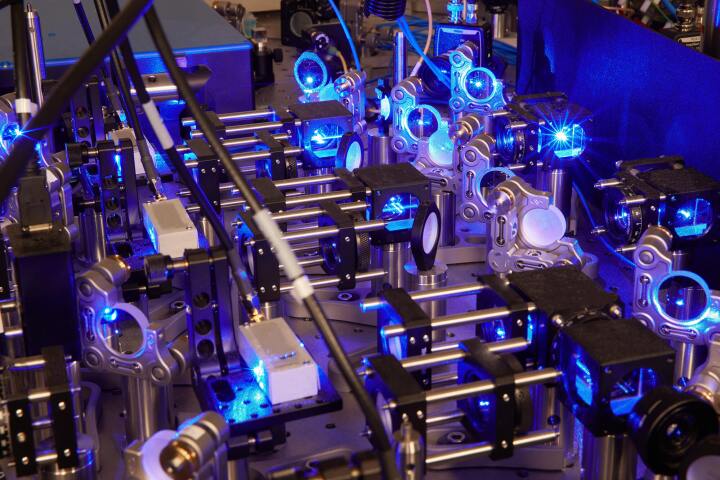 Atom Computing has announced the first quantum computer to pass the 1,000-qubit milestone. The prototype, due to become available for use in 2024, leapfrogs IBM’s announcement of its new quantum computer platform expected in the next few weeks.
 -
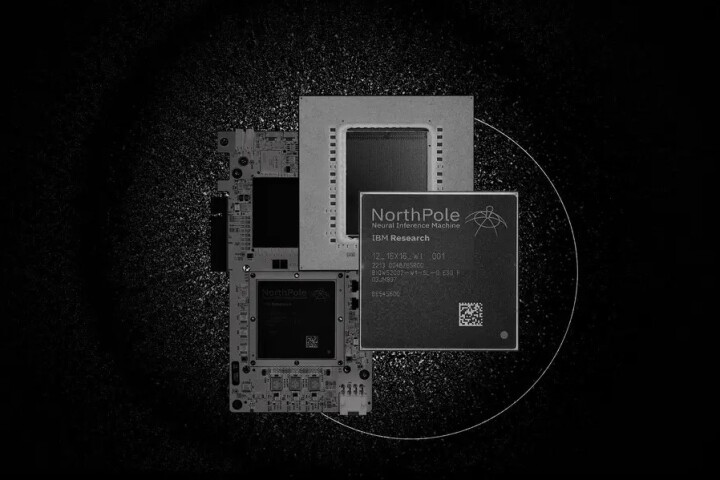 IBM Research’s lab in California is developing a prototype chip called NorthPole based on the architecture of the human brain. It holds the promise of greatly improving computer efficiency and producing systems that do not rely on cloud computing.
 -
 You may think that computer tape memories died out before Rubik's cubes came in, but IBM and Fujifilm have teamed up to develop a record-breaking new sixth-generation tape storage system that can backup a whopping 50 TB of data.
 -
 IBM has unveiled the most powerful quantum processor in the world – the Osprey, with a massive 433 quantum bits (qubits). The new chip headlines a raft of advances in quantum computers announced, as the company prepares for a massive leap next year.
 -
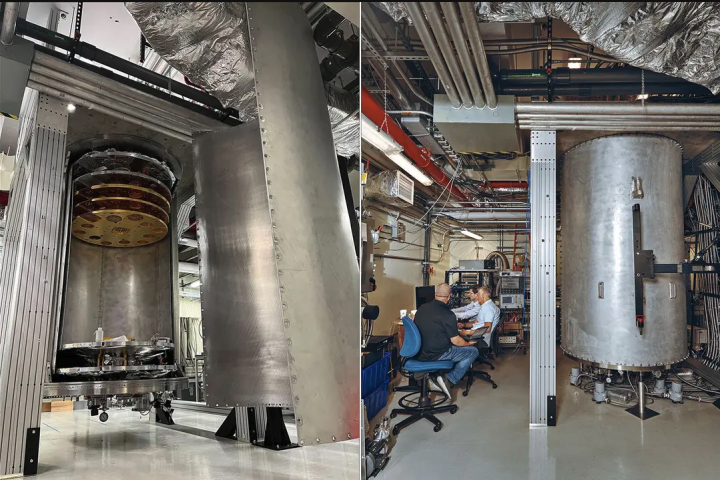 Quantum computing requires extremely cold temperatures. To that end, IBM has built and demonstrated a huge “super-fridge” codenamed Project Goldeneye that chills things colder than outer space.
 -
 In what's being hailed as an important first for chemistry, scientists have developed a new technology that can selectively rearrange atomic bonds within a single molecule, which could open up exciting possibilities in molecular machinery.
 -
 Following a number of technical setbacks, the Mayflower autonomous research vessel has successfully crossed the Atlantic Ocean, clocking up 3,500 miles and arriving in Halifax, Nova Scotia, on June 5.
 -
 IBM and Samsung have unveiled a new semiconductor chip design they say can enable the continuation of Moore's Law and allow for smartphones that run for weeks on a charge, among some other interesting possibilities.
 -
 IBM has unveiled the Eagle, the world’s most powerful quantum processor. Boasting 127 quantum bits (qubits), the Eagle is a major step towards commercial quantum computers outperforming traditional machines.
 -
 IBM's Mayflower Autonomous Ship (MAS400) has set sail across the Atlantic ocean without a crew or human control. The autonomous trimaran left Plymouth, England and en route to Plymouth, Massachusetts on a journey expected to take about three weeks.
 -
 Highlighting the march of technology, IBM has unveiled new semiconductor chips with the smallest transistors ever made. The new 2- nanometer tech allows the company to cram a staggering 50 billion transistors onto a chip the size of a fingernail.
Load More