
Hydrophobic
-
 It was just this August that we heard about a super-slippery 3D-printed toilet bowl, which bacteria slide right off of. Well, if you want that same sort of functionality in your existing toilet, a special coating may do the trick.
 -
 Scientists have developed what they call the most water-repellent surface ever. By giving it a liquid-like coating that defies usual designs, water will roll off the surface at angles 500 times shallower than other superhydrophobic materials.
 -
 Inspired by a water-dwelling spider, researchers have created a novel surface material that stays dry for months underwater. They say the surface is easy to produce, scalable, and has a wide range of practical applications.
 -
 Ice build-up can pose a problem for roads, aircraft, wind turbines and power lines, among many other things. Now scientists have developed a new structure made of copper nanowires that can passively de-ice surfaces with an efficacy of close to 100%.
 -
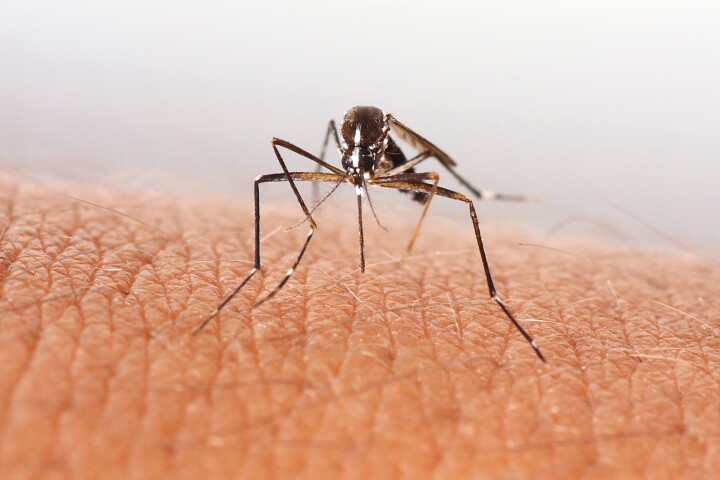 Researchers have developed a surfactant spray that safely and effectively kills mosquitoes without using insecticides. The spray could be used to protect people from the spread of mosquito-borne diseases.
 -
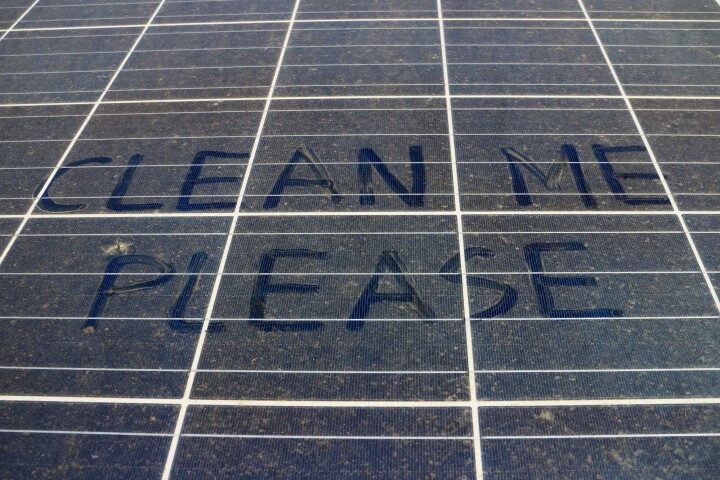 Solar panels can’t operate efficiently if they’re caked in dirt, but cleaning them regularly can be a time-consuming process. Engineers in Germany have now developed an ultra-thin coating that can make solar panels and other surfaces self-cleaning.
 -
 Farmers will often place sheets of plastic on the ground along their crop rows, in order to help hold moisture in the soil. According to a new study, however, the use of wax-coated sand may be a cheaper and greener way to go.
 -
 Ducks have specialized feathers that keep them from getting too wet. Now, engineers at Virginia Tech have investigated the physics behind how they work and developed synthetic feathers that could help ships glide through the water more easily.
 -
 Last year, we heard how scientists had created eco-friendly soft gel particles from hard grains of pollen. Now, they've used those particles to create sponges that could soak up oil spills, then biodegrade once used up.
 -
 Adding “two-faced” nanoparticles could improve paints and coatings. With one face that attracts water and another that repels it, the particles arranged themselves in a flat layer on a painted surface and could make for paint with unusual properties.
 -
 Among other things, hydrophobic (water-repelling) surfaces can be used to keep medical devices germ-free, to help airplane wings shed ice, and to keep solar panels clean. A new process could soon make those surfaces much more durable.
 -
 The "sea skater" is one of the few insects that lives full-time in a marine environment. Scientists are now taking a closer look at how the animal repels water, with an eye towards the development of more hydrodynamic ship hulls.
Load More