
Hydrogels
-
 The magnetometer found inside your cellphone acts like a traditional compass to help you navigate your surroundings. Now, researchers are using it to map human biology, and it could ultimately make managing diabetes a lot cheaper and easier.
 -
 Damaged brain tissue can be re-grown using a new method that lets researchers guide stem cells into exactly the type of brain cells they need for a particular spot. They're targeting new treatments for stroke, traumatic brain injury and MS.
 -
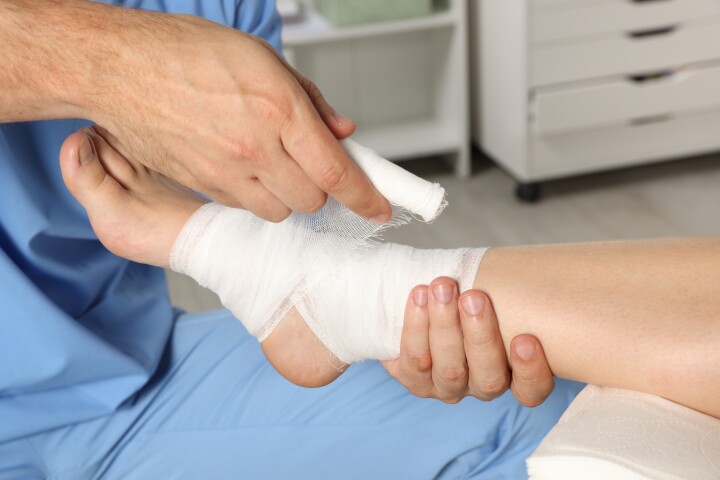 A new type of dressing is shaping up as a way to heal chronic wounds without the need for antibiotics. Using a helium plasma jet to activate hydrogel, researchers have created a highly effective antibacterial cover that can swiftly overpower wounds.
 -
 Limescale buildup in thermal power plants due to the use of hot water can substantially affect efficiency, prompting researchers to develop a novel soft hydrogel-based surface coating that repels limescale crystals and prevents them from adhering.
 -
 While we've seen quite a few filtration systems for making polluted water drinkable, many are quite complex, or utilize costly materials. By contrast, an experimental new setup simply requires users to inject dirty water through a layer of cellulose.
 -
 Researchers developed a technique to implant a device containing insulin-secreting cells in a pocket under the skin, reversing diabetes in mice without the need for anti-rejection drugs. It could one day provide an alternative to insulin injections.
 -
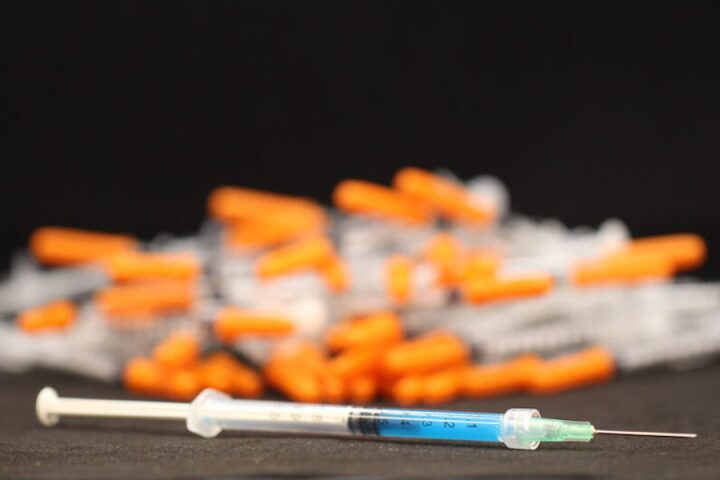 Managing diabetes usually involves regular shots, but soon patients might only need injections a few times a year. Stanford has developed a hydrogel-based delivery system that slowly releases drugs over months to control diabetes and even weight.
 -
 Ordinarily, when treating chronic wounds, caregivers go to great lengths to keep them free of bacteria. An experimental new dressing, however, actually introduces bacteria to help such wounds heal.
 -
 Researchers have developed a plant-based hydrogel to create shape-changing, navigable small-scale robots with potential applications in biomedicine, including conducting medical procedures and delivering therapeutic cargo to cells and tissues.
 -
 The skin ulcers that diabetics often develop on their feet are slow to heal, sometimes to the point that they become infected and require foot amputation. A magnetic gel could keep that from happening, as it triples the healing speed of such wounds.
 -
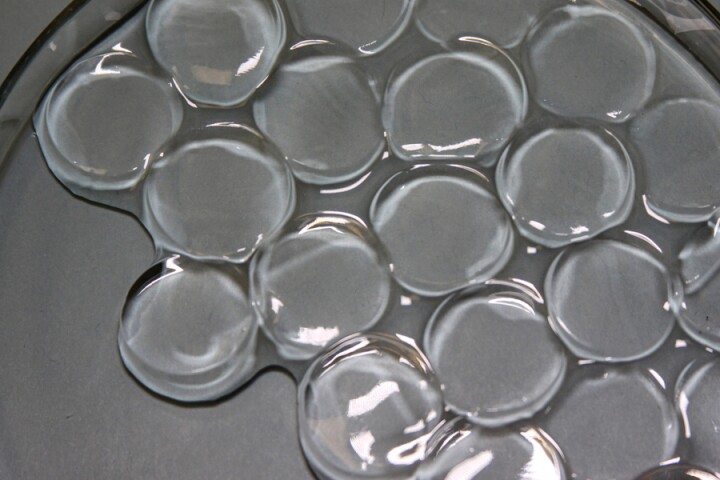 Researchers have created a superabsorbent hydrogel that can pull moisture from the air, even in desert conditions. The new material opens the door to creating an effective, sustainable method of addressing the important issue of water scarcity.
 -
 Leaking sutures after abdominal surgery are a potentially life-threatening complication that surgeons might not pick up immediately. Researchers have developed a hydrogel patch that can rapidly detects postop leaks at suture sites inside the abdomen.
Load More