
Hubble
-
 Hubble has helped astronomers measure changes in the weather on an exoplanet. Forecasts for the planet Tylos predict a gigantic hurricane today with a top of over 3,000 °F (1,650 °C), followed by a strong chance of showers of molten iron tonight.
 -
 Space is one of the most versatile and photogenic subjects, and this year was no different. From a sunrise captured by the International Space Station to the most distant star ever observed, here are some of the best space photographs taken in 2023.
 -
 One of the biggest cosmological mysteries centers on a discrepancy in how fast the universe is expanding. A new study comes to an intriguing solution by applying a modified theory of gravity and an unsettling “supervoid” that our galaxy resides in.
 -
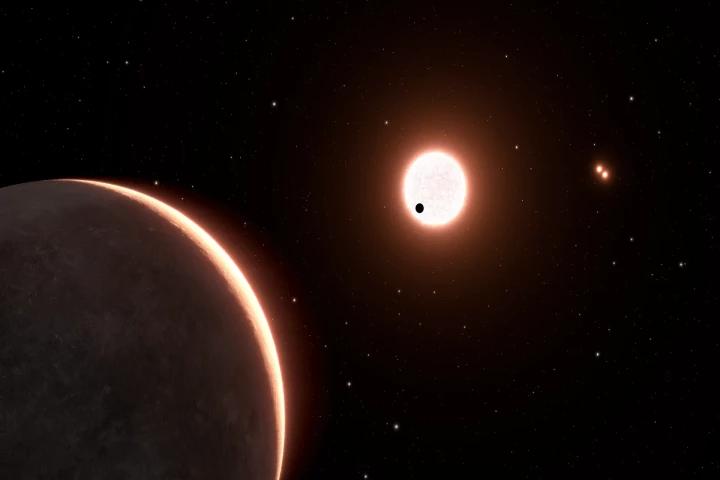 The chances of finding extraterrestrial life have improved slightly after NASA announced that its Hubble Space Telescope has confirmed the size of an Earth-sized exoplanet only 22 light-years from Earth, the nearest that passes in front of its star.
 -
 The James Webb Space Telescope may have been touted a successor to Hubble, but the old-timer still has some life left in it. These two iconic instruments have now teamed up to take a deep-field image of the colorful “Christmas Tree galaxy cluster.”
 -
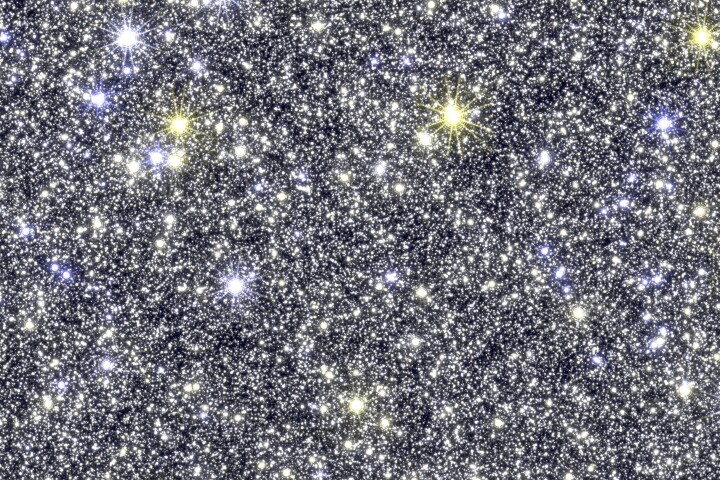 NASA’s anticipated Roman Space Telescope is taking shape, and will soon measure light from a billion galaxies, perform a microlensing survey deep in the Milky Way, monitor hundreds of millions of stars and peer into unseen galactic neighborhoods.
 -
 It feels like every time astronomers get a handle on a cosmic phenomenon, a new one pops up that sends them back to the drawing board. Case in point – Hubble has spotted a burst of light in a region of space where there didn’t seem to be a trigger.
 -
 Black holes come in two distinct types – small and supermassive. A group in the middle has long been hypothesized to exist, and now Hubble has found some strong evidence for one of these intermediate-mass black holes in a nearby star cluster.
 -
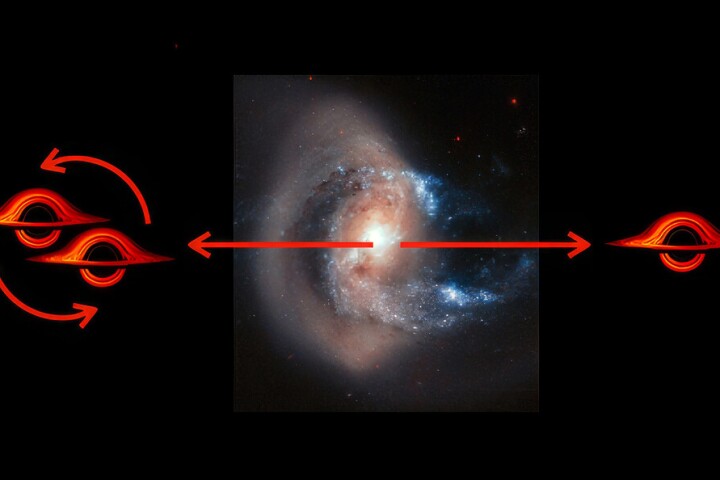 Astronomers have spotted a bizarre sight unlike anything ever seen before. A supermassive black hole has been ejected from its host galaxy, leaving a streak of light about twice as wide as the Milky Way in its wake as the shockwaves create new stars.
 -
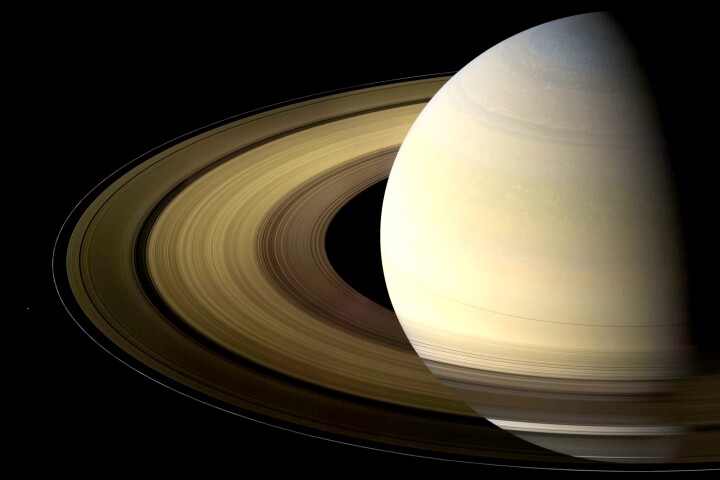 Saturn is renowned for its rings, easily visible through an ordinary telescope. Now, using observations collected over 40 years, scientists have discovered a never-before-seen interaction between the planet and its iconic rings.
 -
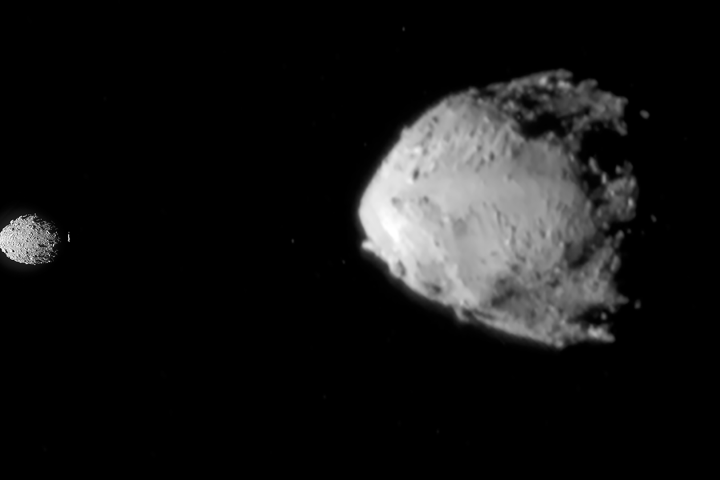 In September, NASA deliberately crashed a spacecraft into an asteroid to test a potential planetary defense technique. To mark the publication of four scientific papers, NASA has released a video of the impact captured by the Hubble Space Telescope.
 -
 The James Webb Space Telescope is probing greater depths of space and time than other observatories. Now it's discovered galaxies with a structure like our own Milky Way 11 billion light-years away, challenging our understanding of galaxy formation.
Load More