
Glasses
-
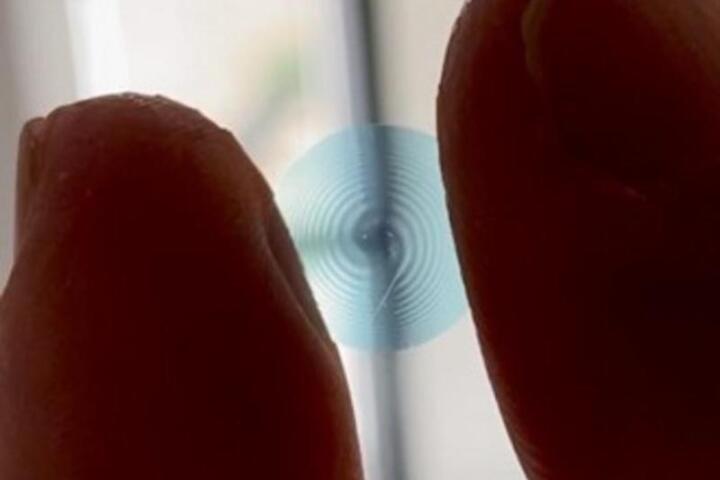 Scientists have developed a new type of lens that creates multiple focal points, which could make for glasses or contacts that provide a clearer view over a range of distances. The secret? Making the lens a spiral shape.
 -
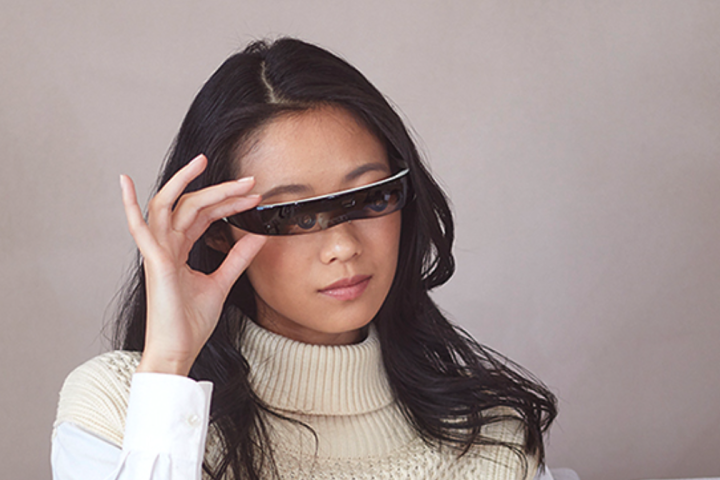 The lenses in our eyes stiffen as we age, making it harder to switch focus between different distances. But autofocus systems are now getting so compact and efficient that they fit in a set of glasses – provided you don't mind looking a bit dorky.
 -
 Augmented-reality wearable producer nReal has rebranded to Xreal and launched two pairs of AR glasses designed to virtually float a huge screen in front of your eyes. The Air 2 and Air 2 Pro models are up for pre-order now.
 -
 Some people lack the power of speech, while others may find themselves in noisy settings where speaking voice commands out loud just won't work. Such folks might have use for the EchoSpeech glasses, which read their user's silently spoken words.
 -
 Building on the crowdfunding success of its portable augmented-reality glasses in 2021, China's Rokid has launched the slim and lightweight Rokid Max AR glasses, which can place a 215-inch virtual display in front of your eyes.
 -
 Xiaomi has pulled back the curtain on a pair of augmented-reality glasses it's working on called the Wireless AR Glass Discovery Edition, which are reported to be among the first in the industry to boast "Retina-level" image resolution.
 -
 While anti-fog sprays work to a certain extent, warming a glass surface is a better way of keeping it fog-free. A new coating material is designed to do so, and it utilizes light-absorbing gold nanoparticles instead of electricity.
 -
 Forget the metaverse, our own reality just needs a little augmentation. Lenovo has announced a new wearable display called the Lenovo Glasses T1, which can connect to phones and computers to watch video, play games or work on a larger virtual screen.
 -
 While many people have bifocal everyday glasses, their sunglasses tend to be single-vision. The new 32ºN sunglasses, however, let users switch over to a "reading glasses" mode with a simple swipe of their finger.
 -
 Scientists at the Australian National University (ANU) have developed a new type of night-vision technology that is the first of its kind, taking the shape of an ultra-thin film that can be applied directly to glasses.
 -
 Tech startup Ampere has smartened up the humble sunglasses with Dusk, a pair of shades that change tint on demand via a phone app or a button press. A deluxe model also packs built-in speakers and a microphone for making calls.
 -
 Video-camera-equipped glasses may show you what the wearer's head is pointing at, but they certainly don't indicate what the person's gaze is actually fixed upon. A new headset is designed to do just that, however, and it could be used to advance a number of technologies.
Load More