
Glass
-
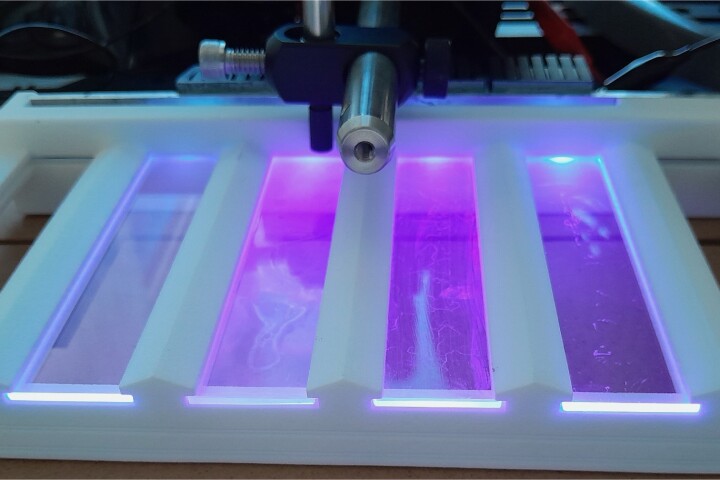 Scientists are using UV-emitting glass to keep problematic undersea biofilms at bay. The technology may find use in applications such as underwater viewing ports and camera lenses, and perhaps even one day the hulls of ships.
 -
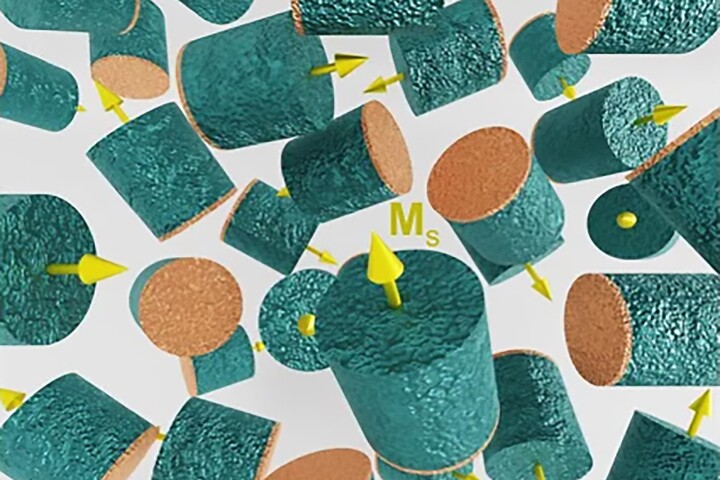 After decades of physics-based theorizing, researchers have succeeded in creating a novel optical metamaterial using conventional materials. Its enhanced electromagnetic effect may make true one-way glass a reality and solar panels more efficient.
 -
 Today's internet- and cellular-connected cars require antennas more than ever, but working the devices into vehicles' bodies limits the design possibilities. LG is out to change that, with a windshield-integrated transparent antenna.
 -
 More than a decade ago, a Swedish audio startup looked to stand out from the Bluetooth speaker space by rocking a see-through vibe. Now the company is taking a step towards providing "the complete listening experience" with the Transparent Turntable.
 -
 10,000 years in the future, explorers could end up getting rickrolled, thanks to a Global Music Vault due to be built in Norway. It features Microsoft’s Project Silica, a tough new data storage medium that’s never gonna give you up.
 -
 When you're out on the sea, the more ocean-top views, the better. That appears to be the thinking behind the all-new Tecnomar "This Is It" yacht, a catamaran that turns 600 square meters of glass into a floating hunk of panoramic architecture.
 -
 Apple has made another new addition to its futuristic donut-shaped headquarters in Cupertino, California. Named Mirage, it takes the form of a sculpture park featuring hundreds of glass columns made from sand sourced from deserts around the world.
 -
 Windows are pretty basic necessities for letting in light and heat, but you don’t always want both at once. Now engineers at North Carolina State University have developed a new material that allows windows to easily switch between three modes.
 -
 In a fight against Iron Man, you might be better off betting on Glass DNA Nanolattice Man instead. Engineers have developed a very strong and lightweight new material out of DNA that self-assembles into lattices, and is then coated in glass.
 -
 Collectors of trading cards are always hunting for rare shiny variants – and now astronomers have found the exoplanet equivalent. The shiniest planet ever found, LTT9779 b, is an ultra-hot, cosmic disco ball thanks to clouds made of glass and titanium.
 -
 Despite its many advantages, glass has one major Achilles' heel – it’s brittle. Now, engineers at Penn State have developed LionGlass, a new form that's not only 10 times more damage resistant, but requires significantly less energy to manufacture.
 -
 Artist Olafur Eliasson and architect Sebastian Behmann have enclosed a courtyard at the AKG Art Museum with an intricate glass canopy. Inspired by the area's weather patterns, the project is defined by a stunning vortex-like funnel.
Load More