
Genetics
-
 Medically, AI is helping us with everything from identifying abnormal heart rhythms before they happen to spotting skin cancer. But do we really need it to get involved with our genome? Protein-design company Profluent believes we do.
 -
 Analysis of Beethoven’s DNA has revealed that he had a low genetic predisposition for musical ability. The study highlights how making genetic predictions for individuals, including famous historical figures, can be fraught with danger.
 -
 Researchers have identified two genetic markers that may explain the link between eating red and processed meat and bowel cancer. Understanding the disease process and the genes underlying it can help develop better prevention strategies.
 -
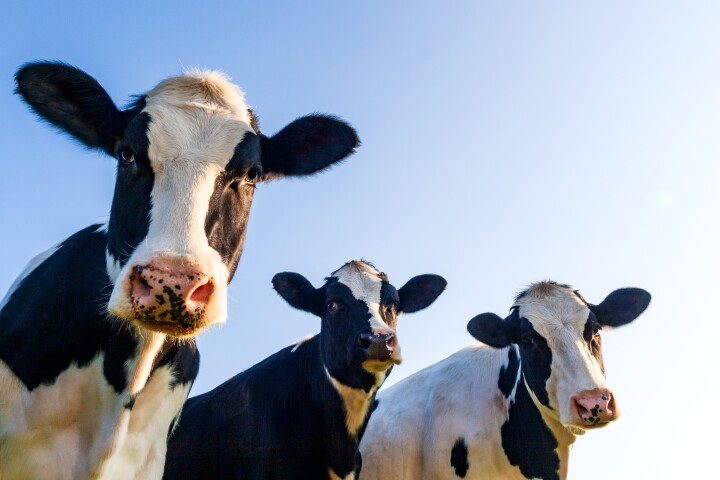 A genetically modified cow has produced milk containing human insulin, according to a new study. The proof-of-concept achievement could be scaled up to produce enough insulin for all diabetics requiring the life-maintaining drug.
 -
 We’re edging closer to seeing a live mammoth for the first time. Colossal Biosciences, a company dedicated to the controversial-but-unquestionably-cool goal of resurrecting extinct species, has made a breakthrough in creating elephant stem cells.
 -
 A gel of tiny keratin spheres has been found to promote hair follicle growth. Given that our bodies naturally produce keratin, the research highlights the potential application of using keratin microspheres as a safe and effective hair-growth treatment.
 -
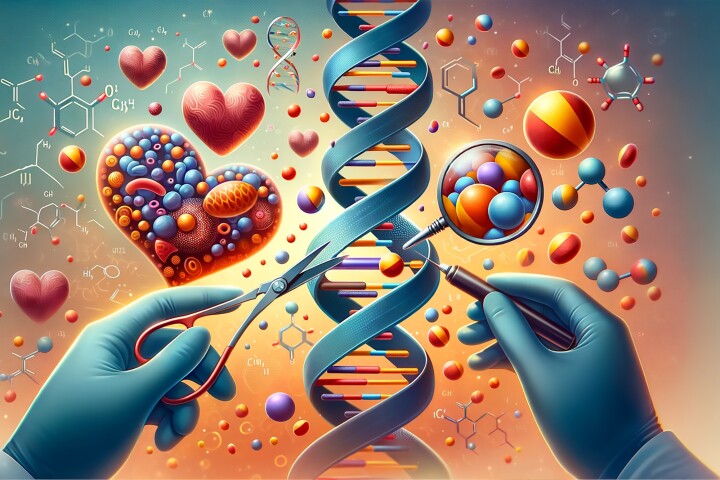 By silencing the gene responsible for regulating ‘bad’ cholesterol without altering the primary DNA sequence, researchers have unlocked the potential of epigenetic editing to safely and effectively treat not just this but a wide range of diseases.
 -
 Researchers have created a single-dose genetic therapy that, in mice, cleared the protein blockages that cause motor neurone disease and frontotemporal dementia, two incurable neurodegenerative diseases that eventually lead to death.
 -
 February 11 marks International Day of Women and Girls in Science. The day celebrates both the work of women across vast scientific disciplines, but also recognizes ongoing gender-based challenges. Here, we pay tribute to 11 stars of STEM today.
 -
 For the first time, researchers have identified how the brain’s fatty acids and the genes that control them are crucial to memory formation. The discovery opens the door to novel treatments for memory-affecting diseases such as Alzheimer’s.
 -
 A breakthrough clinical trial using gene therapy has restored hearing to five children born deaf. After six months, the children were able to recognize speech and hold conversations, raising hopes for wider use in the near future.
 -
 While it might run counter to conventional wisdom, if you are lactose intolerant, you might want to drink some milk every day to ward off diabetes. So says a new study that looked at a genetic variant involved in the effect.
Load More