
Nuclear Fusion
-
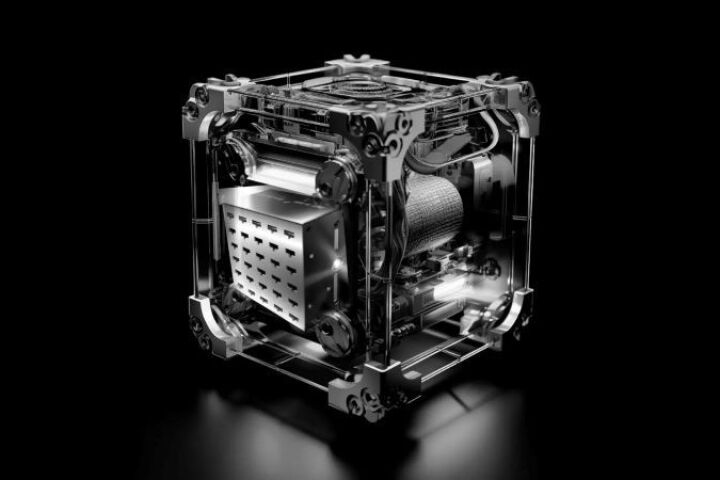 Rocket science got a bit more science-fiction-like as RocketStar announces it has successfully demonstrated a new ion drive that incorporates nuclear fusion. It's not the sort of fusion that powers the Sun, but it does improve thrust by 50%.
 -
 Lawrence Livermore National Laboratory has published an extensive paper confirming the validity of its 2022 fusion experiment where multiple lasers focused on a sphere of deuterium and tritium to achieve the first fusion ignition in a laboratory.
 -
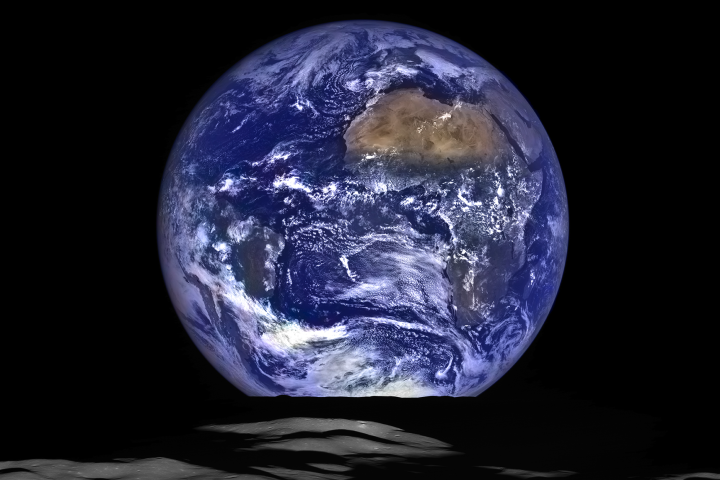 The world needs gargantuan amounts of clean energy moving forward, making this an area of colossal and growing opportunity for disruptive innovations. Here are some of the fascinating energy ideas and technologies that made us most hopeful in 2023.
 -
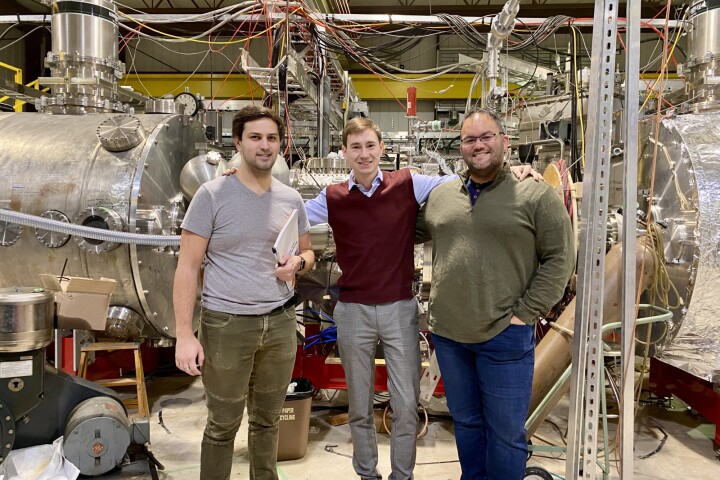 The insides of nuclear fusion reactors are violent and chaotic places. A new cold-spray coating can take the heat and also trap some rogue hydrogen particles at the same time, potentially making for smaller, better plasma chambers.
 -
 The world's largest and most advanced tokamak fusion reactor has gone online as the EU/Japanese 370-tonne JT-60SA reactor was fired up for the first time during an inauguration ceremony in Ibaraki Prefecture, Japan.
 -
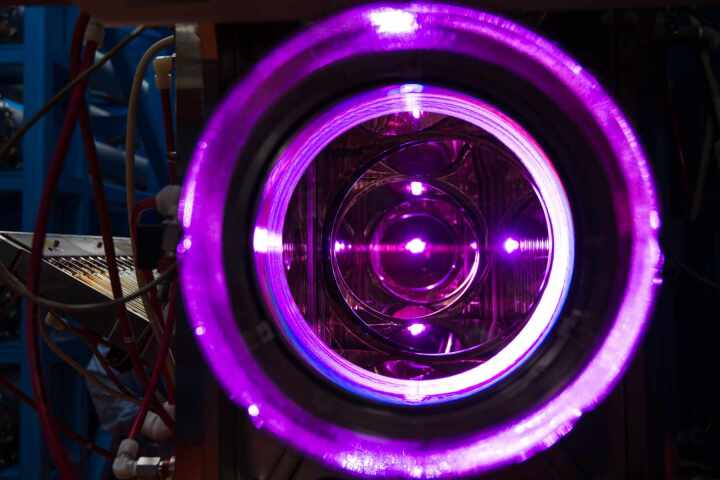 As the question of how to make a laser fusion reactor practical rises, scientists at the University of Rochester’s Laboratory for Laser Energetics (LLE) have come up with a way for fusion lasers to essentially manufacture their own fuel pellets.
 -
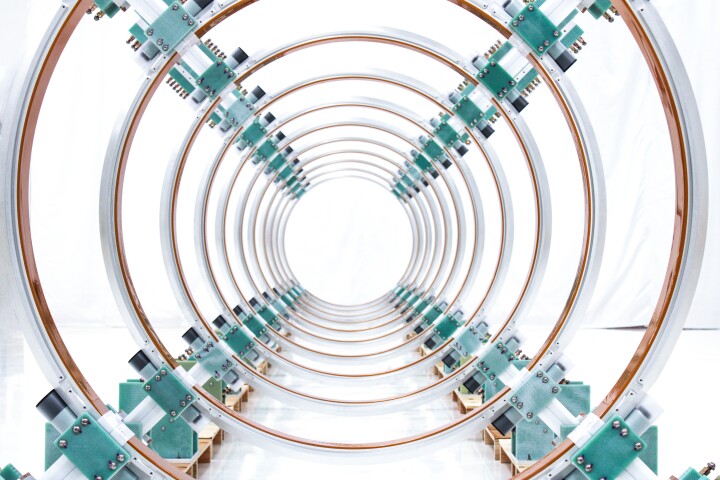 In an outrageously audacious move, Washington-based fusion power startup Helion has signed the world's first fusion power supply deal, promising to deliver Microsoft at least 50 megawatts of clean fusion power by 2028, or pay financial penalties.
 -
 Tokamak Energy has released the first images of what its commercial fusion power plant, which it says would safely generate enough electricity to power 50,000 homes in the 2030s, would look like.
 -
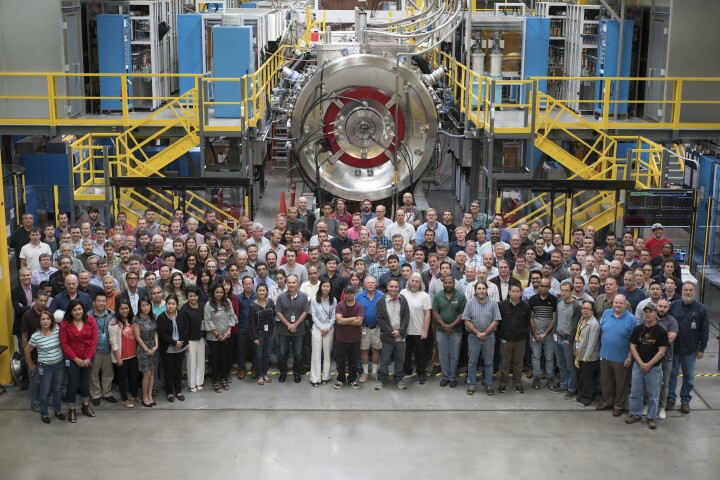 Most current fusion power projects require tritium – an incredibly scarce and problematic fuel. TAE is targeting cheaper, safer hydrogen-boron (H-B) fusion, and it's just announced a world-first measurement of H-B fusion in magnetically confined plasma.
 -
 The US Department of Energy and its National Nuclear Security Administration have announced the first-ever achievement of fusion ignition. The breakthrough should "pave the way for advancements in national defense and the future of clean power."
 -
 Having achieved a self-heating “burning plasma” in the quest for producing clean, limitless energy using nuclear fusion, on closer inspection of that plasma researchers have discovered strange, unexplained behavior of ions within it.
 -
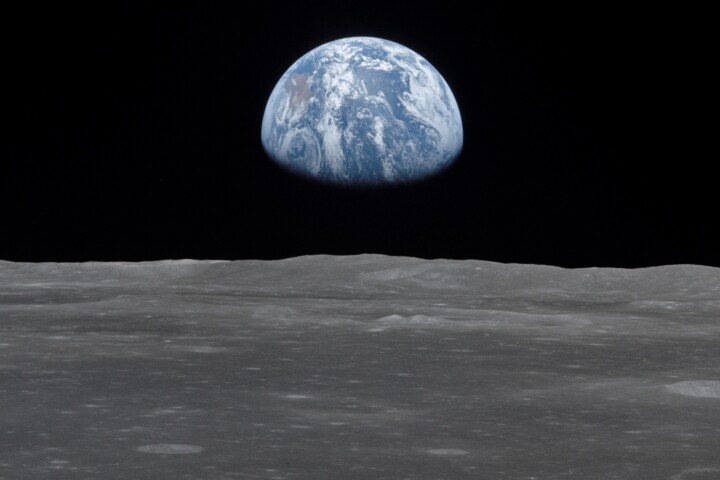 It seems China's Chang'E-5 robotic Moon mission has discovered more than water on the lunar surface. Scientists have confirmed the discovery of a new mineral, a transparent crystal named Changesite-(Y), as well as a promising potential fusion fuel.
Load More